Have Query ? Reach Out Us!

Have Query ? Reach Out Us!
02 Oct , 2026
Through bolts and drop-in anchors are not interchangeable fixing methods. A through bolt passes through the fixture and is tightened with a nut and washer, while a drop-in anchor is installed inside a pre-drilled hole in suitable solid concrete to provide an internal thread for a compatible bolt or threaded rod. The right option depends on the base material, access, fixture design, load requirements and whether the connection needs to be removable or flush.
For a through-bolt arrangement, both sides of the fixing location generally need to be accessible so the nut and washer can be installed and tightened. A drop-in anchor is considered where installation is made from the exposed face of suitable solid concrete and a flush threaded fixing point is useful. Final selection should follow the project specification, design loads and the anchor manufacturer's installation requirements.
Tell Ferry International your application, quantities and preferred specifications to request relevant product guidance.
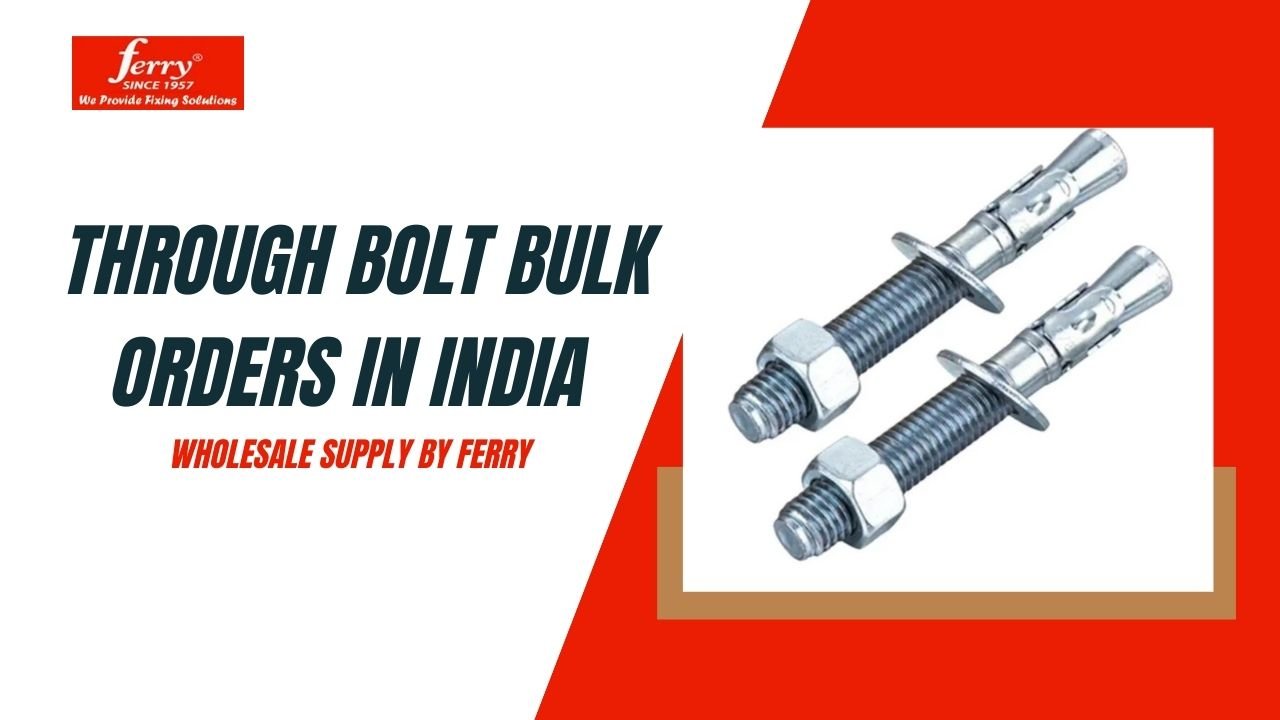
Ferry International describes its through bolt as a wedge-anchor-type mechanical expansion anchor for solid concrete, while its product information describes a drop-in anchor as an internally threaded expansion anchor for a pre-drilled hole in solid concrete. Those product descriptions support the basic distinction, but they do not by themselves establish a universal load ranking between the two products.
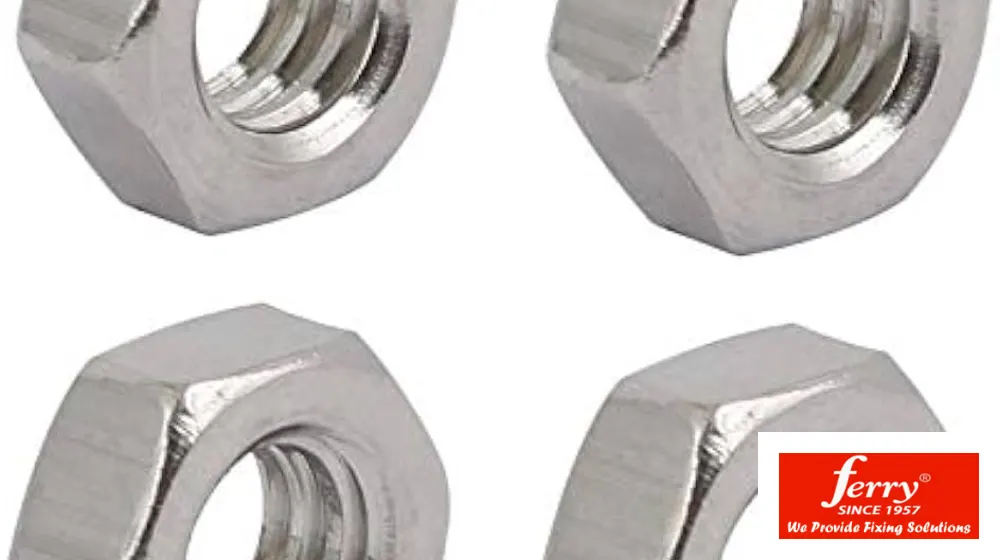 Supporting visual · Ferry International
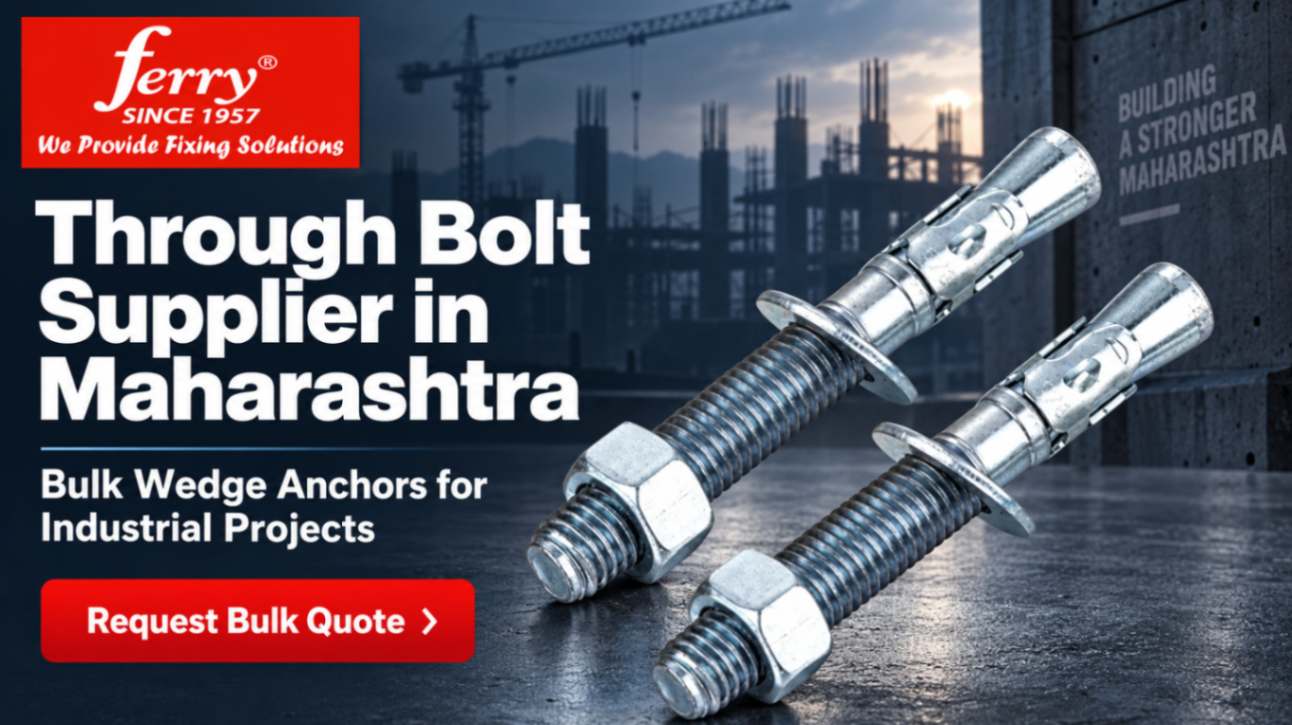
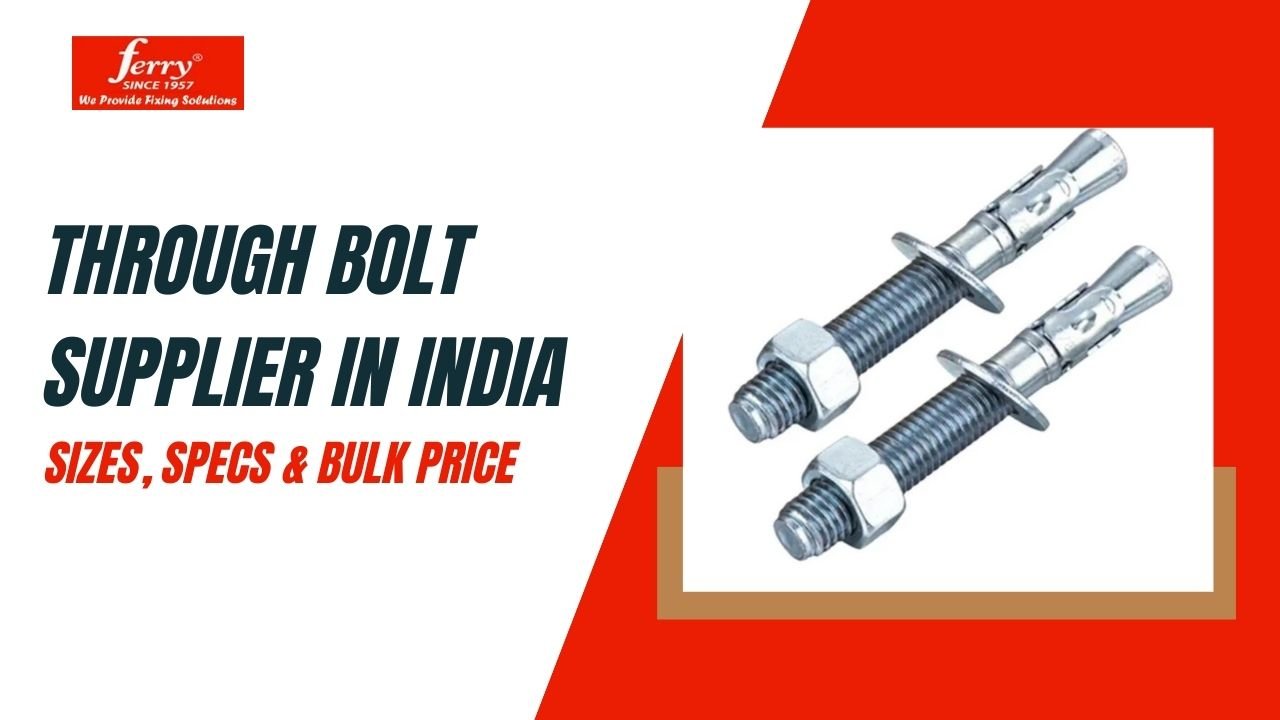
A through bolt is placed through the fixture and the concrete, then secured using a nut and washer on the opposite side. This arrangement can be useful for base plates, railings, supports and machinery installations where the design permits through-access. The fixture, concrete thickness and available clearance must all accommodate the bolt length and tightening arrangement.
The Ferry International product description identifies its through bolt as a mechanical expansion anchor installed through the fixture, with the expansion mechanism gripping inside a correctly prepared hole when tightened. It lists solid-concrete fixing applications including base plates, railings, supports and machinery installations. See the supplier's fixing-anchor range for the product-specific description.
A drop-in anchor is set inside a pre-drilled hole in suitable solid concrete. Once correctly installed, it provides a flush threaded point that can accept a compatible bolt or threaded rod. This can be convenient for suspended services and support systems where the visible face needs a compact threaded connection rather than a bolt projecting through the entire substrate.
Ferry International identifies drop-in anchors as suitable for specified concrete applications such as pipe supports, ducting and cable tray installations. The same product information cautions that standard drop-in anchors should not be treated as general-purpose anchors for hollow materials. Always confirm the approved substrate and setting procedure before specifying one.
| Selection factor | Through bolt | Drop-in anchor |
|---|---|---|
| Connection arrangement | Passes through the fixture and is secured with a nut and washer. | Creates an internal thread inside a pre-drilled hole for a compatible bolt or threaded rod. |
| Typical substrate described in the supplied product evidence | Solid concrete. | Solid concrete; not a general-purpose solution for hollow materials. |
| Access consideration | Requires a suitable through-hole and access to the opposite side for the nut and washer. | Designed for installation at the exposed face, subject to the specified setting method and clearance. |
| Visible fixing arrangement | A bolt and nut assembly may remain visible on the fixture. | Provides a flush internal threaded point when correctly set. |
| Commonly considered applications | Base plates, railings, supports and machinery installations. | Pipe supports, ducting, cable tray and other suitable suspended installations. |
| Serviceability | The nut-and-bolt arrangement can be loosened where the design permits. | The installed anchor remains in the concrete; the compatible bolt or threaded rod can be removed, but the anchor itself is not selected as a general-purpose removable insert. |
The table describes the fixing arrangements and applications in the supplied Ferry International product material. It is not a substitute for a structural design calculation, a tested load table or an installation approval for a particular project.
These are selection principles, not blanket approvals. A heavy load, overhead installation, vibration-sensitive connection or safety-critical fixing needs project-specific engineering review and product documentation. The supplied research does not provide tested load values, edge-distance limits, spacing rules, torque values or installation diagrams for comparing these two anchor types.
Before installation, confirm the following against the approved drawings and the manufacturer's technical documentation:
Do not use a generic comparison to approve an anchor for overhead, structural or life-safety work. The appropriate choice must be supported by the relevant design, test data and installation instructions for the exact product and substrate.
A precise request for quotation helps the supplier identify the intended fixing and reduces substitutions, clarification cycles and pricing based on incomplete assumptions. For a project or distributor enquiry, describe the application and substrate as well as the product name.
| RFQ item | What to state or confirm |
|---|---|
| Anchor type | Through bolt, drop-in anchor or an approved alternative; include the intended application. |
| Diameter | Required anchor diameter, subject to the approved design and product range. |
| Length | Required anchor length and fixture thickness; do not leave embedment or clearance assumptions unstated. |
| Thread details | Thread requirement for the through-bolt assembly or the compatible bolt or threaded rod for a drop-in anchor. |
| Material | Required material or grade, if specified for the project or environment. |
| Finish | Required surface finish or corrosion-protection requirement for indoor, outdoor, humid, marine or chemical exposure. |
| Substrate | Concrete type and condition, including whether the fixing area is solid, cracked, damaged or subject to restrictions. |
| Installation requirements | Drilling, cleaning, setting, tightening, inspection or documentation requirements stated in the approved specification. |
| Required quantity | Total quantity, delivery batches, packaging, labelling and any project or distributor ordering requirements. |
| Documentation | Required drawings, certificates, test data, inspection documents or technical datasheets. Confirm availability rather than assuming these documents are included. |
| Delivery location | Project, warehouse or other delivery location, together with the requested delivery schedule or batch timing. |
Need help organising the specification? Contact Ferry International for specification assistance and provide the anchor type, substrate, dimensions, quantity, application and finish requirements.
Ferry International states that its fixing-anchor range supports bulk and project-based enquiries, with minimum order quantities applicable and specifications, materials and finishes discussable for bulk requirements. For a product-specific quotation, use the Ferry International contact page and include the completed checklist details above.
A through bolt is generally considered when through-access, a nut-and-washer connection and potential serviceability suit the fixture. A drop-in anchor is generally considered when a flush internal thread is needed in suitable solid concrete and installation is made from one exposed face. The safer procurement decision is not “which is stronger?” but “which fixing arrangement matches the substrate, load, access and approved installation method?”
Need a bulk fixing-anchor quotation? Request a bulk quotation from Ferry International with the anchor type, concrete details, dimensions, quantity, application, documentation and finish requirements.
Share your requirements with Ferry International to discuss suitable products and request a quotation.
Recent Post
Ferry International — bulk anchor bolt manufacturer from Ghaziabad, U.P., since 1957. We produce ASTM & IS-compliant Shield Anchors, Through Bolts, Drop-in Anchors, J-Hook Anchors, Eye Hook Anchors, Brass Anchors, and pipe clamps for construction, oil & gas, power, marine, solar, and infrastructure. Bulk RFQs only. ISO 9001:2015 | ZED Bronze | UDYAM Registered.
Follow Us
Important Links
Our Services
Contact Us

.jpg "Anchor Bolt Manufacturers in Haridwar")




.jpg "Brass Anchor Manufacturers Jamnagar Gujarat")

.jpg "Top Anchor Bolt Manufacturers in India (2026) | Ferry International")


.jpg "Drop-In Anchors for Concrete Fixing")
 Bulk Supplier.jpg "Rubber Lined Split Clamp (Cushioned Pipe Clamp) – Bulk Supply")
.jpg "Sprinkler Clamp Manufacturer in Telangana | Project Bulk Supply by Ferry International")
.jpg "Rubber Lined Pipe Clamp")
.jpg "How to Choose Fasteners for Industrial Projects")
.jpg "Bulk Anchor Bolt Supplier for New Berlin,")
.jpg "Anchor Bolts Supplier for Bulk Orders in South Africa")