Have Query ? Reach Out Us!

Have Query ? Reach Out Us!
13 Mar , 2026
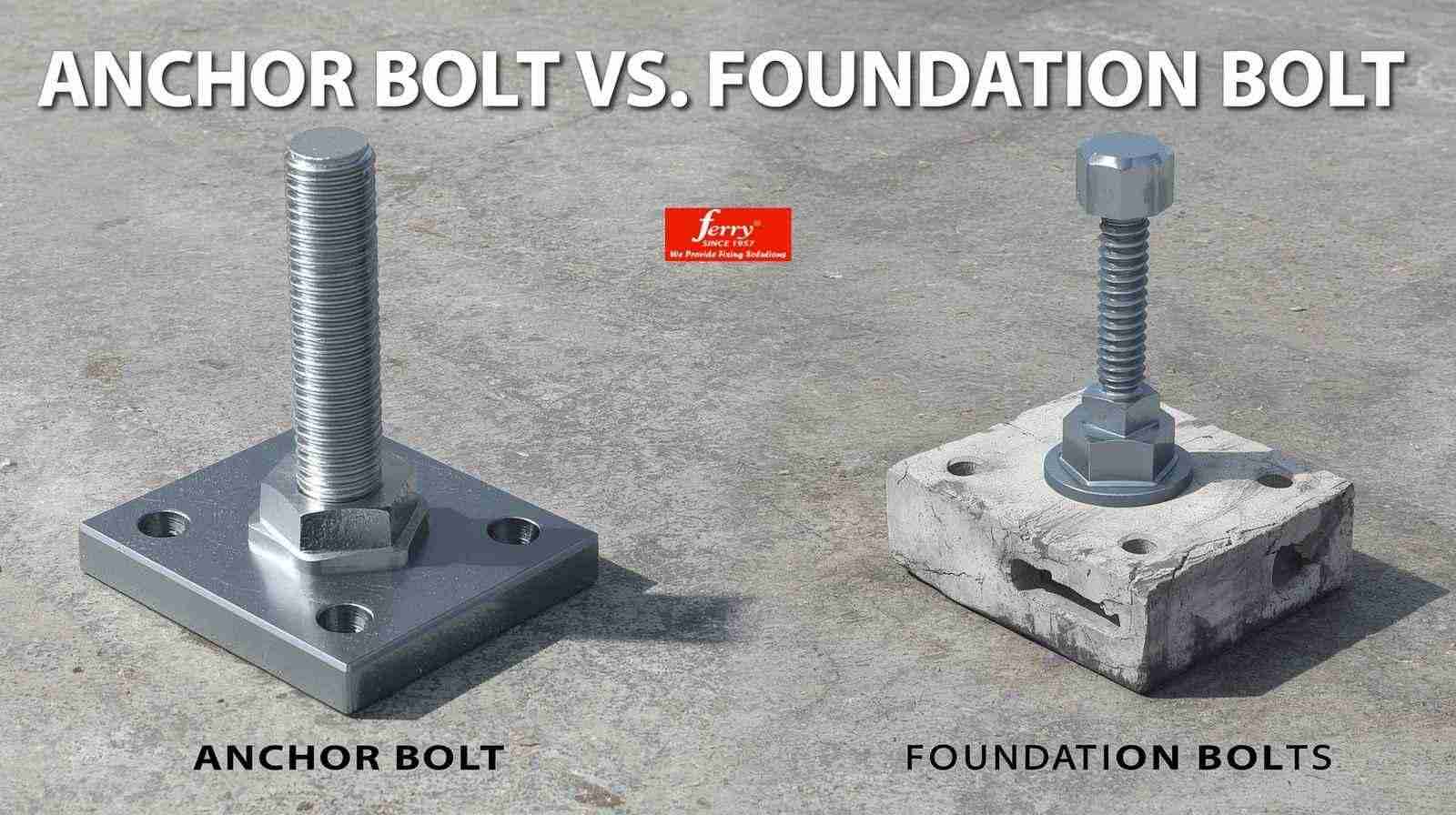
Anchor Bolt vs Foundation Bolt
Many people in construction and industrial projects use the terms anchor bolt and foundation bolt as if they mean the same thing. That is why confusion happens during buying, drawing review, site discussion, and installation. Some suppliers call them anchor bolts. Some contractors call them foundation bolts. Some engineers use both terms depending on the application.
The simplest way to understand the difference is this: anchor bolt is a broad term, while foundation bolt is usually a more specific term used for bolts fixed into concrete foundations. In many real projects, a foundation bolt is simply a type of anchor bolt used for foundation work.
So the confusion is normal. The terms often overlap. But if you want a clear answer, then remember this: anchor bolt is the wider category, and foundation bolt is usually the application-based term.
If you understand this one line, most of the confusion is already solved.
| Basis | Anchor Bolt | Foundation Bolt |
|---|---|---|
| Meaning | Broad term | More specific term |
| Main purpose | To anchor an object to concrete | To fix an object into a concrete foundation |
| Scope | Wider category | Narrower, application-focused |
| Used for | Structures, supports, machinery, equipment, plates | Columns, machine bases, heavy equipment, structural foundations |
| Installation | Can be cast-in or post-installed | Usually cast-in during foundation work |
| Common market use | Technical and general use | Site and project-specific use |
| Overlap | Yes | Yes |
An anchor bolt is a fastening element used to connect a structure, support, equipment, or base plate to concrete. Its job is to hold the object in place and resist movement caused by load, vibration, tension, or shear.
Anchor bolts are used in many kinds of projects such as steel structures, machinery foundations, industrial skids, pipe supports, warehouse systems, and equipment installations. The word anchor is used because the bolt helps anchor the object firmly into the concrete.
In simple language, if something must stay fixed to concrete, an anchor bolt is often used.
A foundation bolt is generally a bolt placed in a concrete foundation so that a machine, steel column, structure, or base plate can be fixed on top of it. It is usually embedded into concrete during the foundation stage.
This is why the term foundation bolt is common in civil work, industrial installation, machine base work, and steel column foundation work. It is called a foundation bolt mainly because it is used in the foundation.
So while the function is very close to an anchor bolt, the name comes more from the application area.
The real difference is mostly in scope and usage of the term, not always in the basic job of the product.
So in many cases, a foundation bolt can be called an anchor bolt, but every anchor bolt is not always called a foundation bolt.
Think of it like this:
In the same way:
A school bag is still a bag.
A foundation bolt is still an anchor bolt in many practical cases.
That is the easiest way to explain it.
| Question | Anchor Bolt | Foundation Bolt |
|---|---|---|
| Is it used in concrete? | Yes | Yes |
| Is it used to hold structures or equipment? | Yes | Yes |
| Is it a general term? | Yes | No, usually more specific |
| Is it mainly linked with foundations? | Not always | Yes |
| Are both terms sometimes used for the same product? | Yes | Yes |
| Is one always completely different from the other? | No | No |
In real market use, different people search and ask in different ways.
A procurement person may say foundation bolt supplier because they are buying bolts for machine base or structural foundation work. An engineer may say anchor bolt because that is the broader technical term. A contractor may say L type foundation bolt or J foundation bolt because that is common site language.
This is why both terms matter in B2B content. They attract different types of buyers and different search behavior.
Anchor bolts come in different forms depending on design, load, and installation method.
| Type | Simple Meaning | Common Use |
|---|---|---|
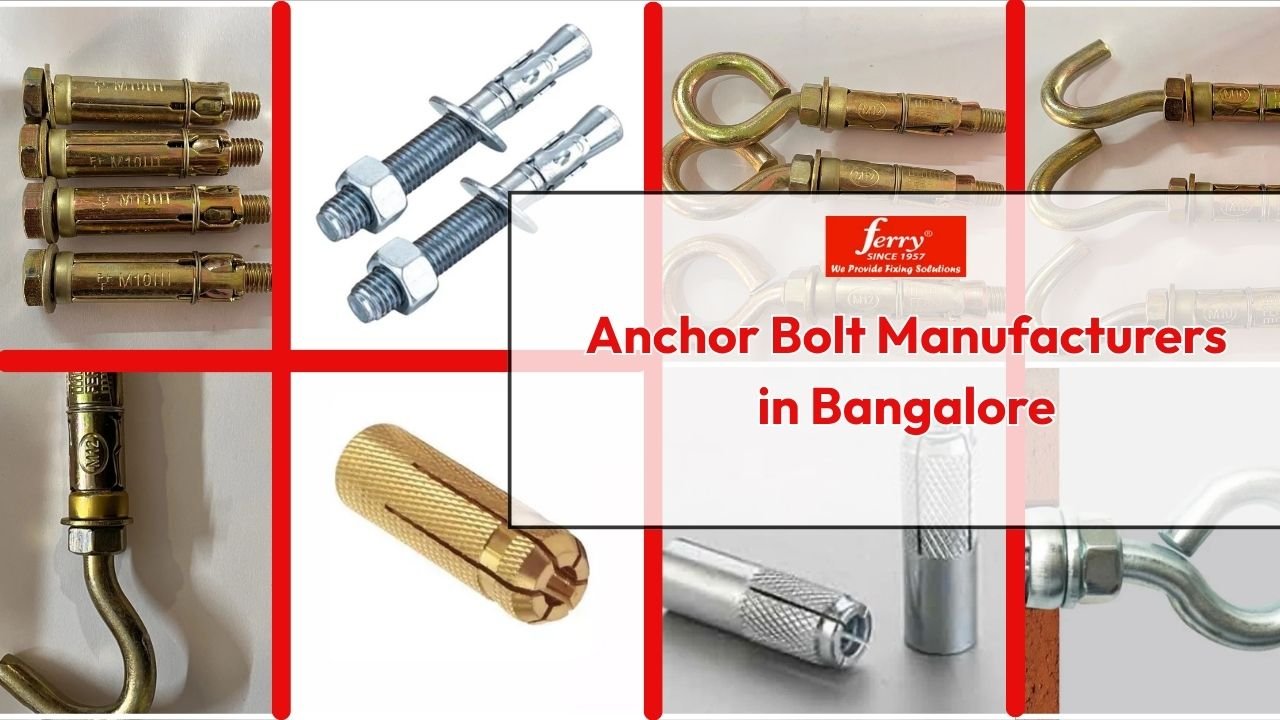
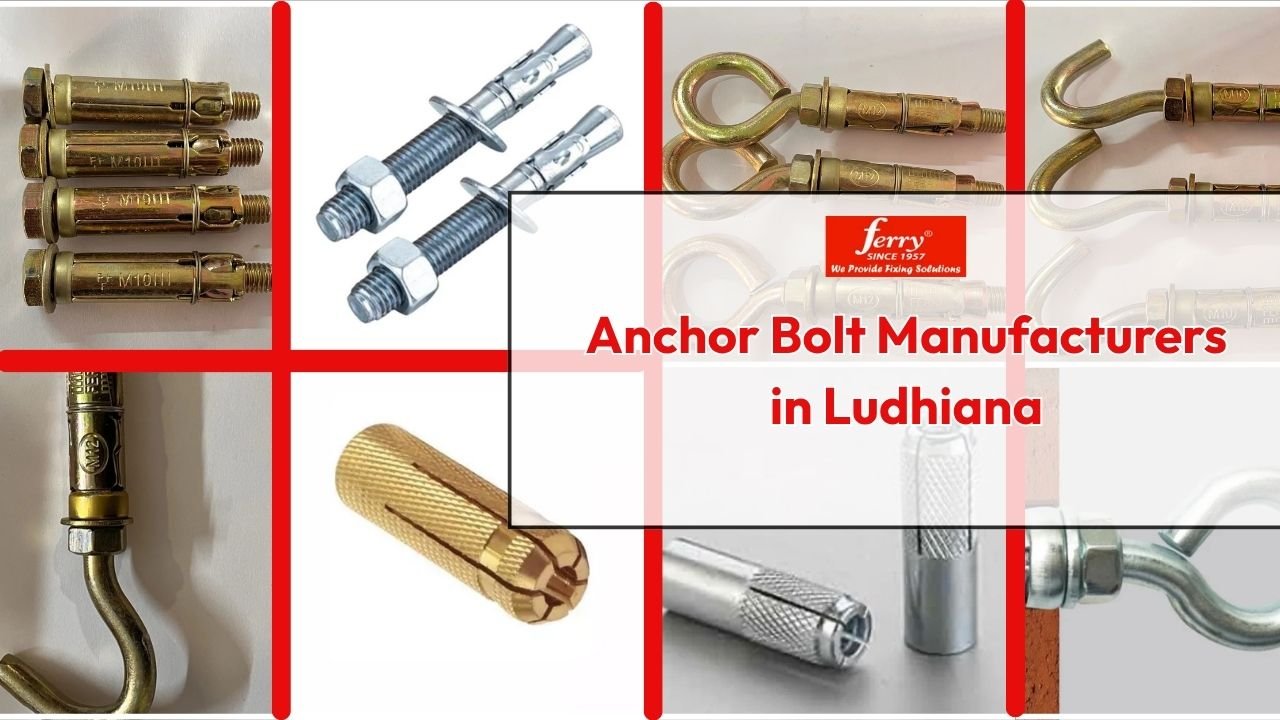
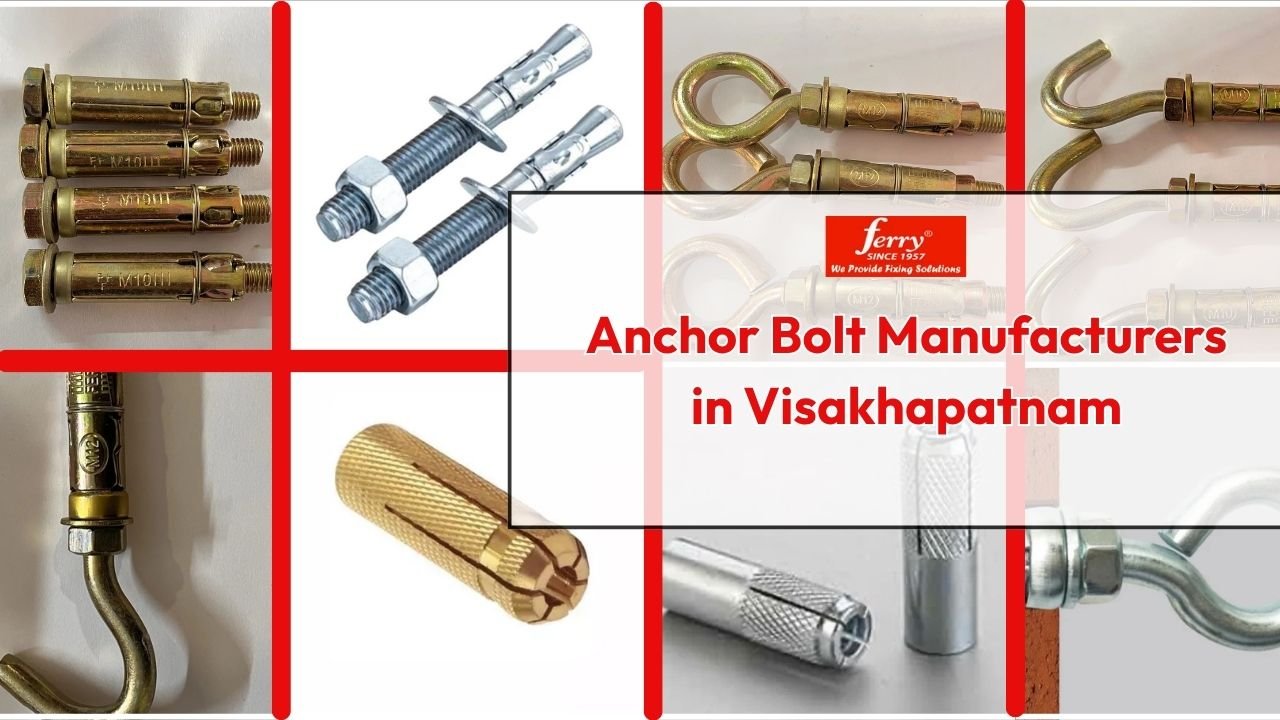
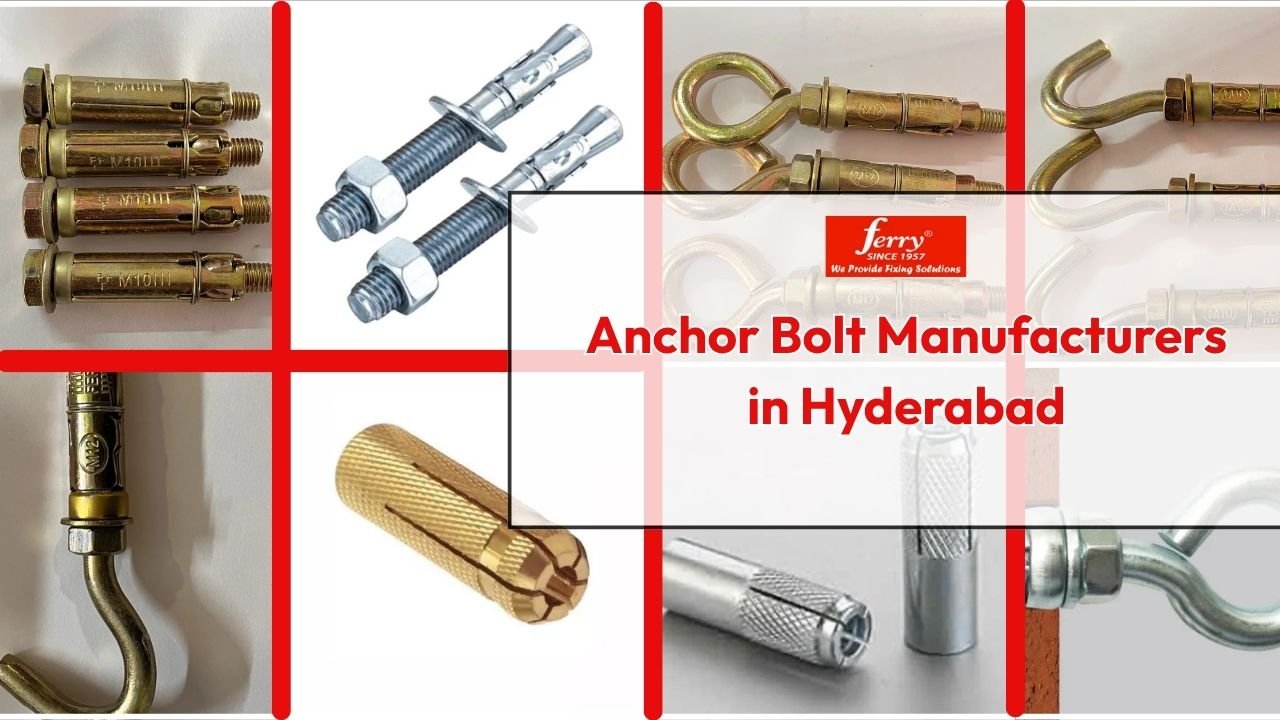
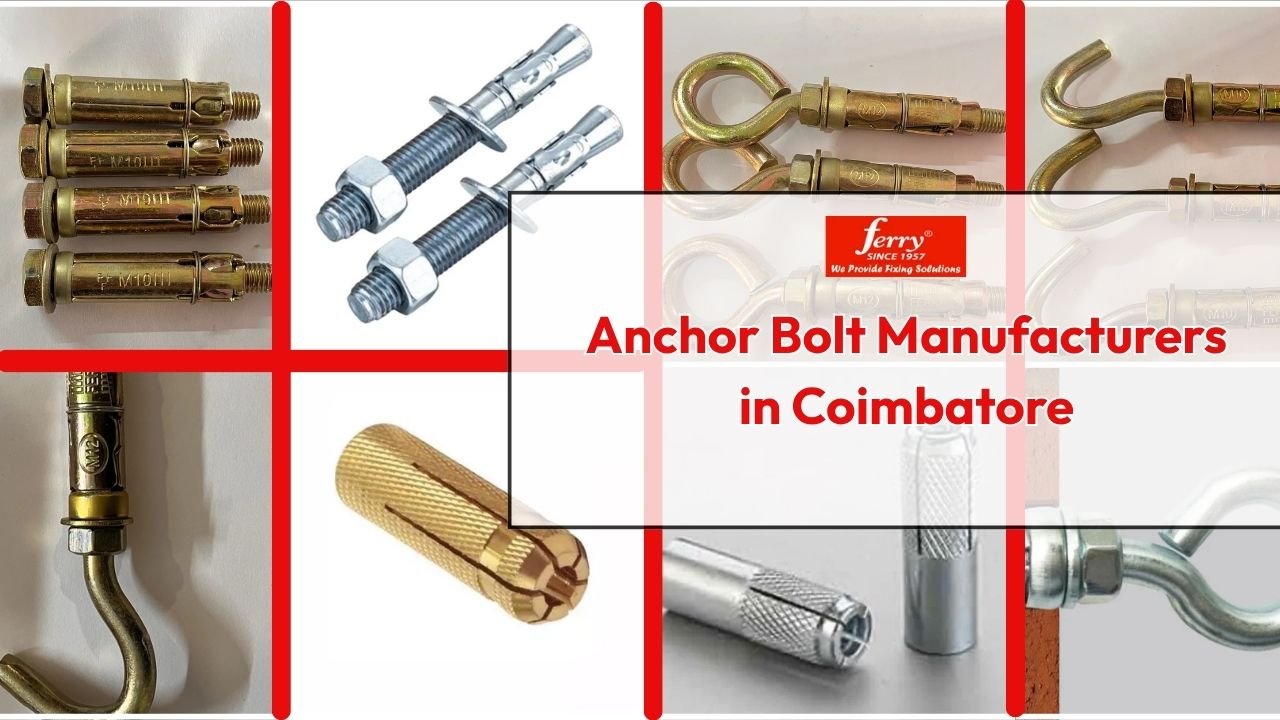
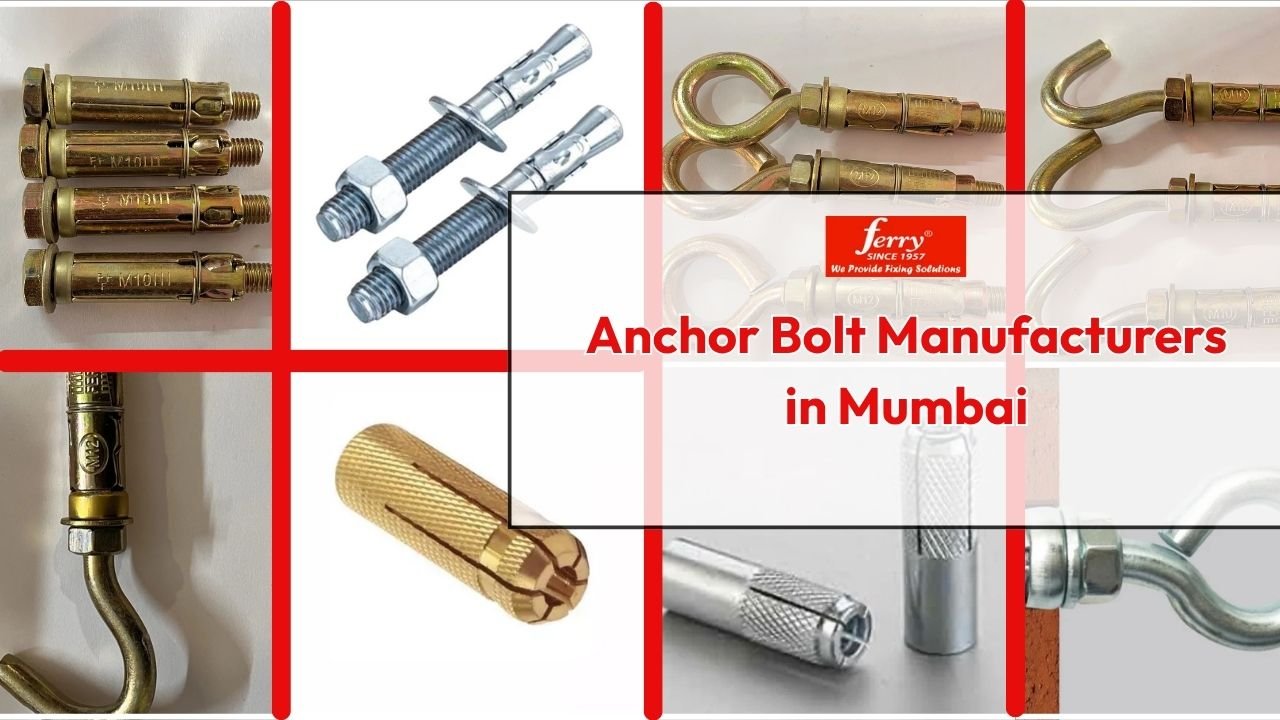
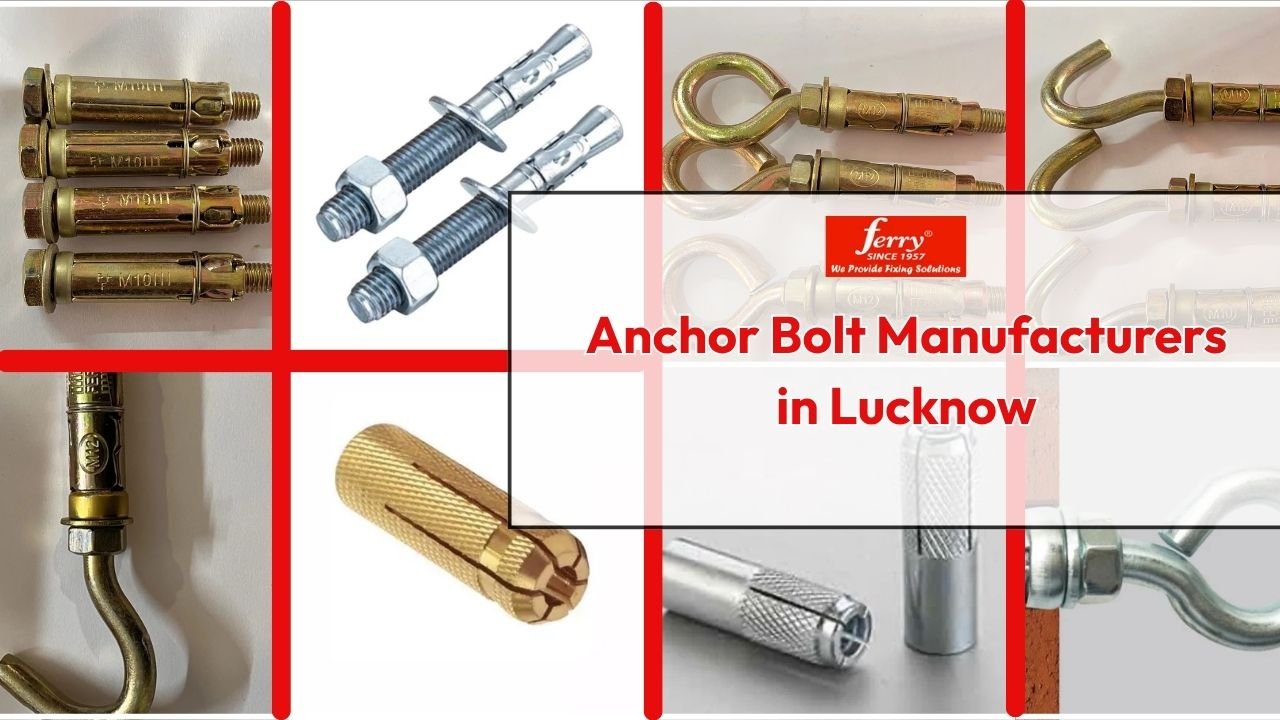
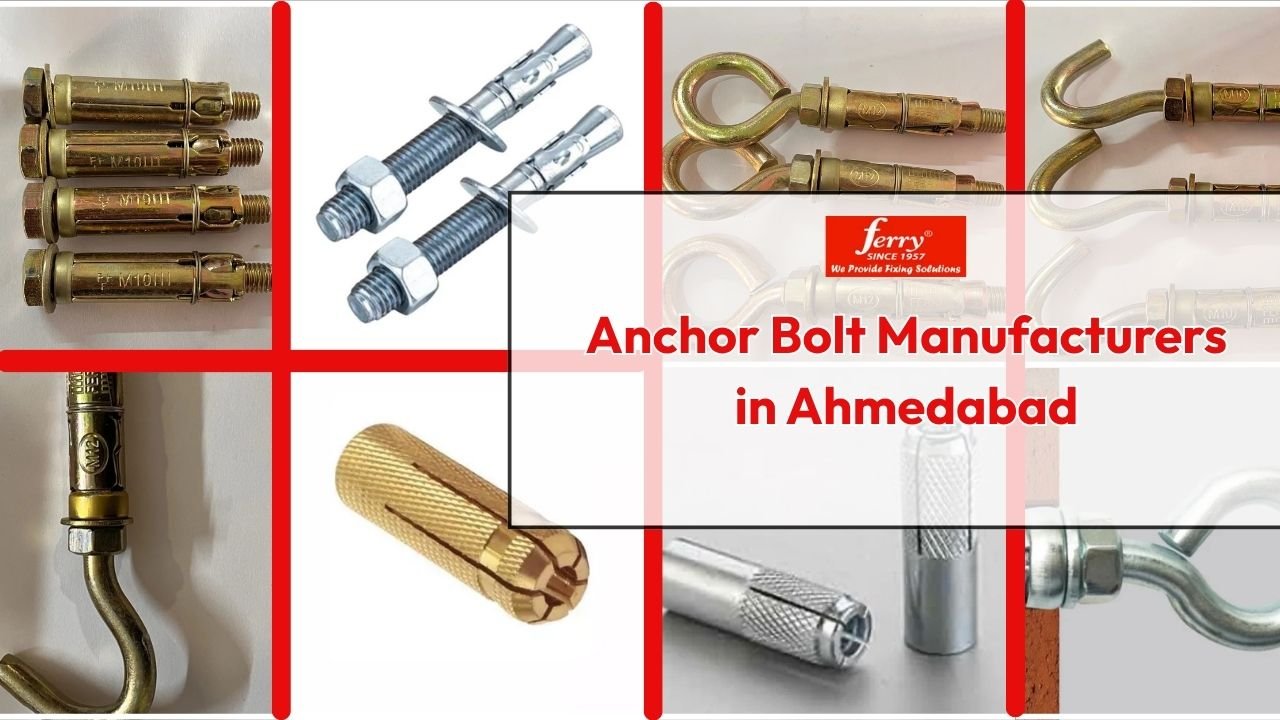
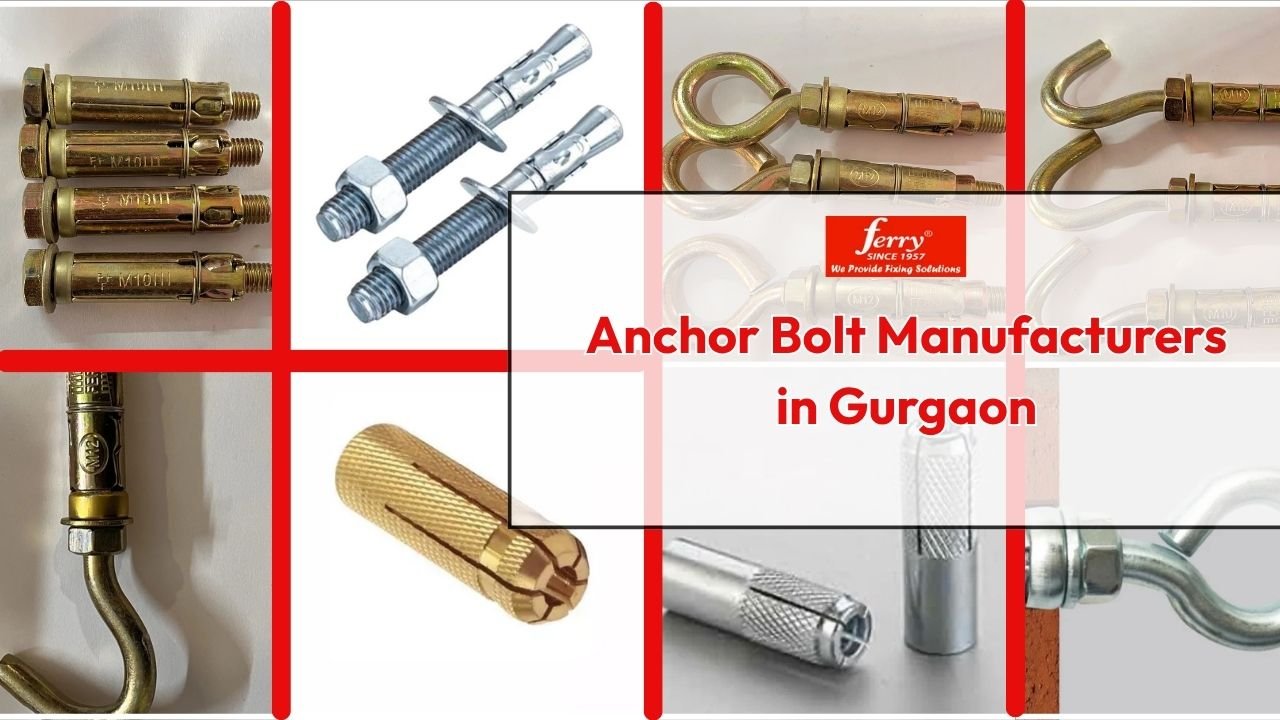
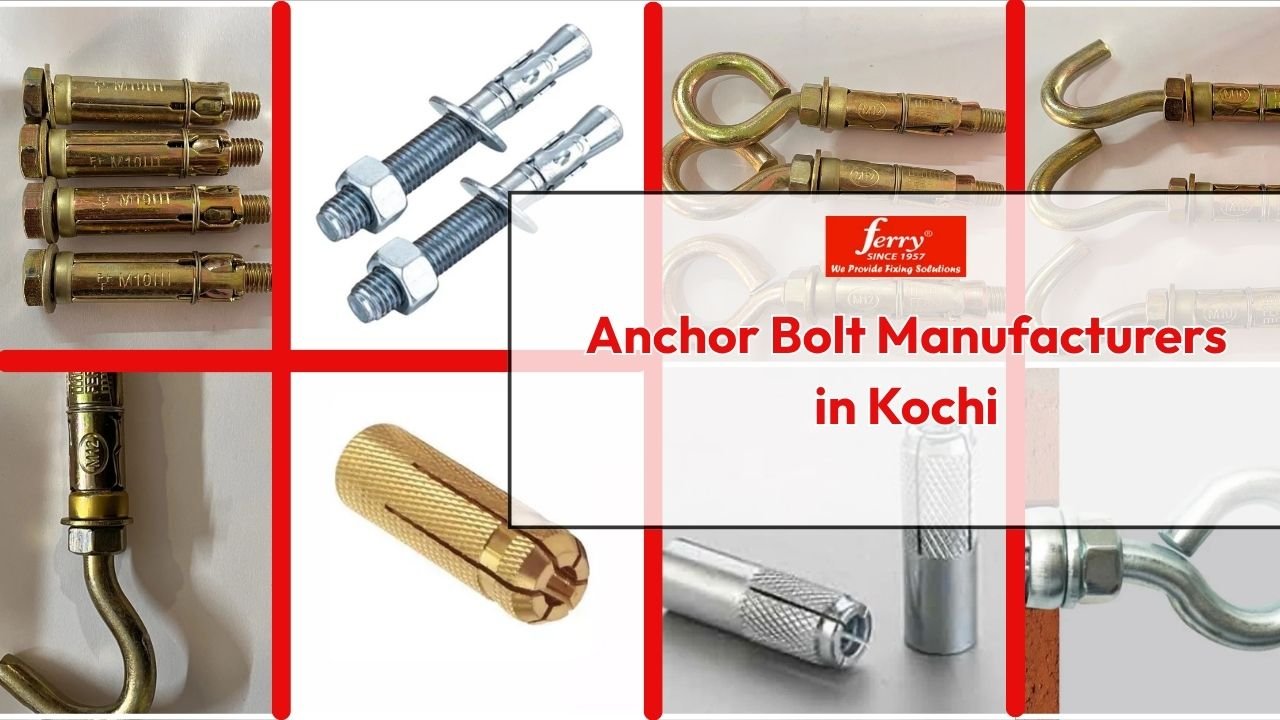
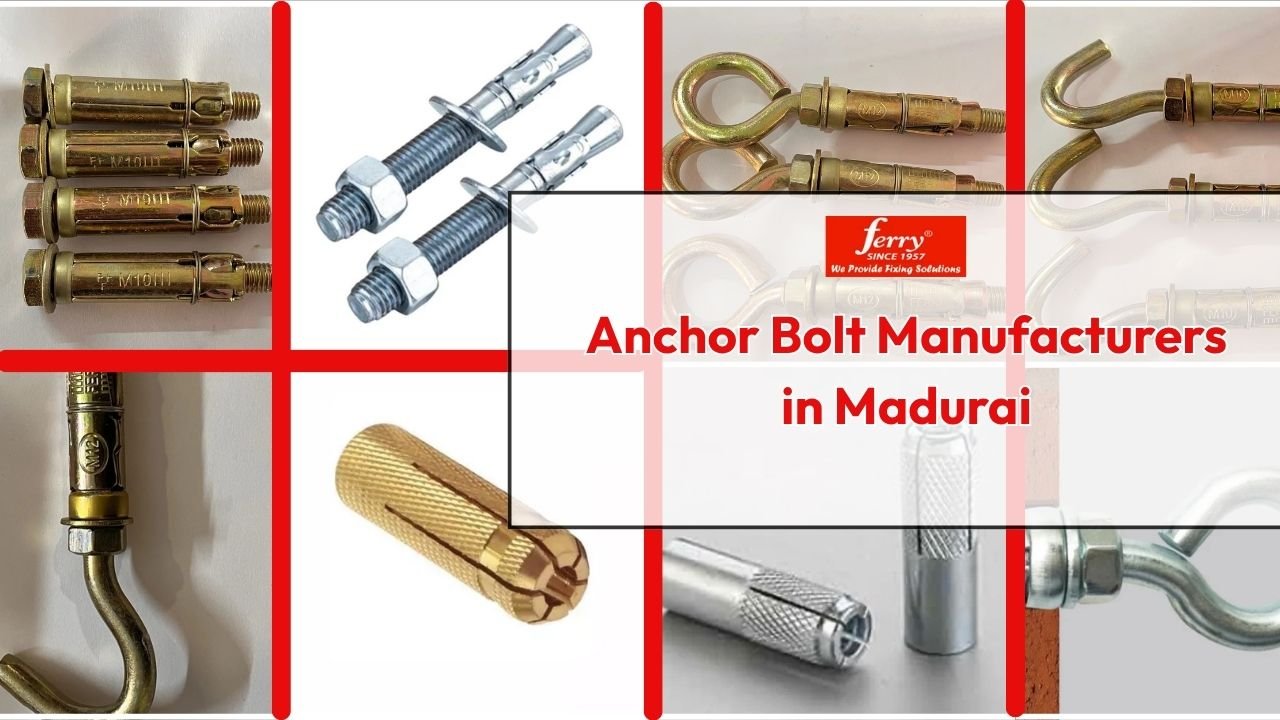
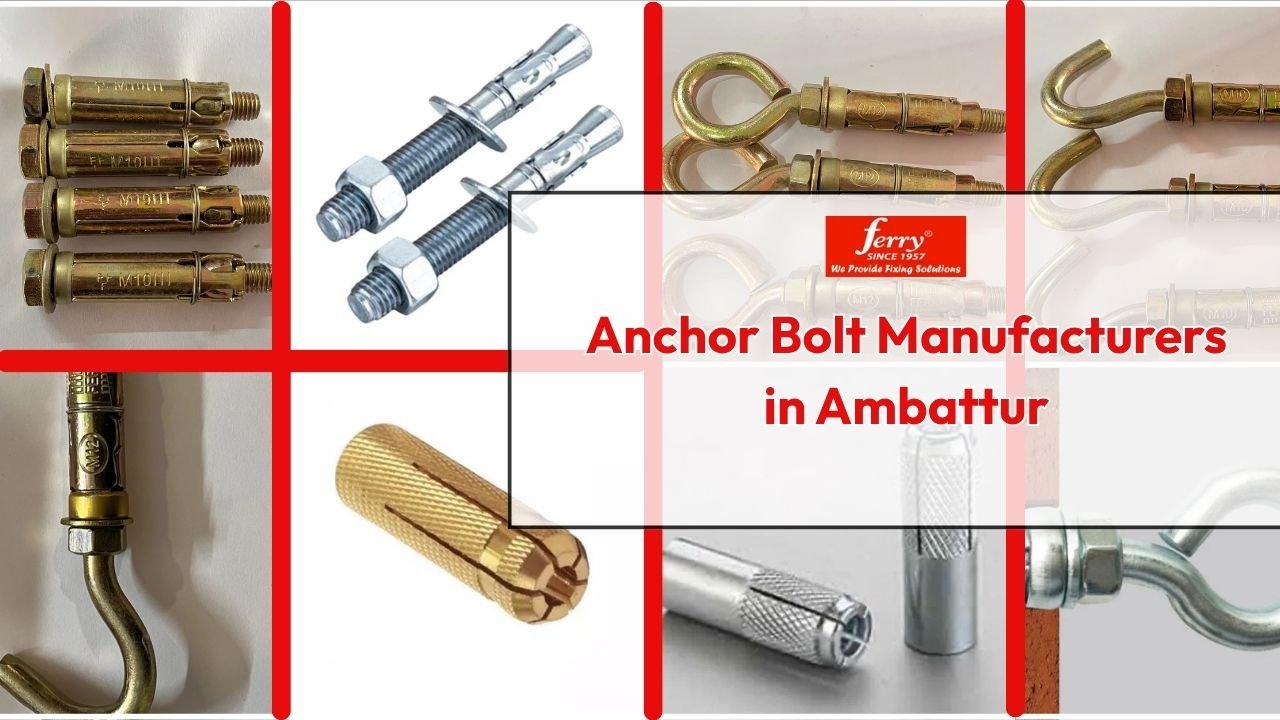
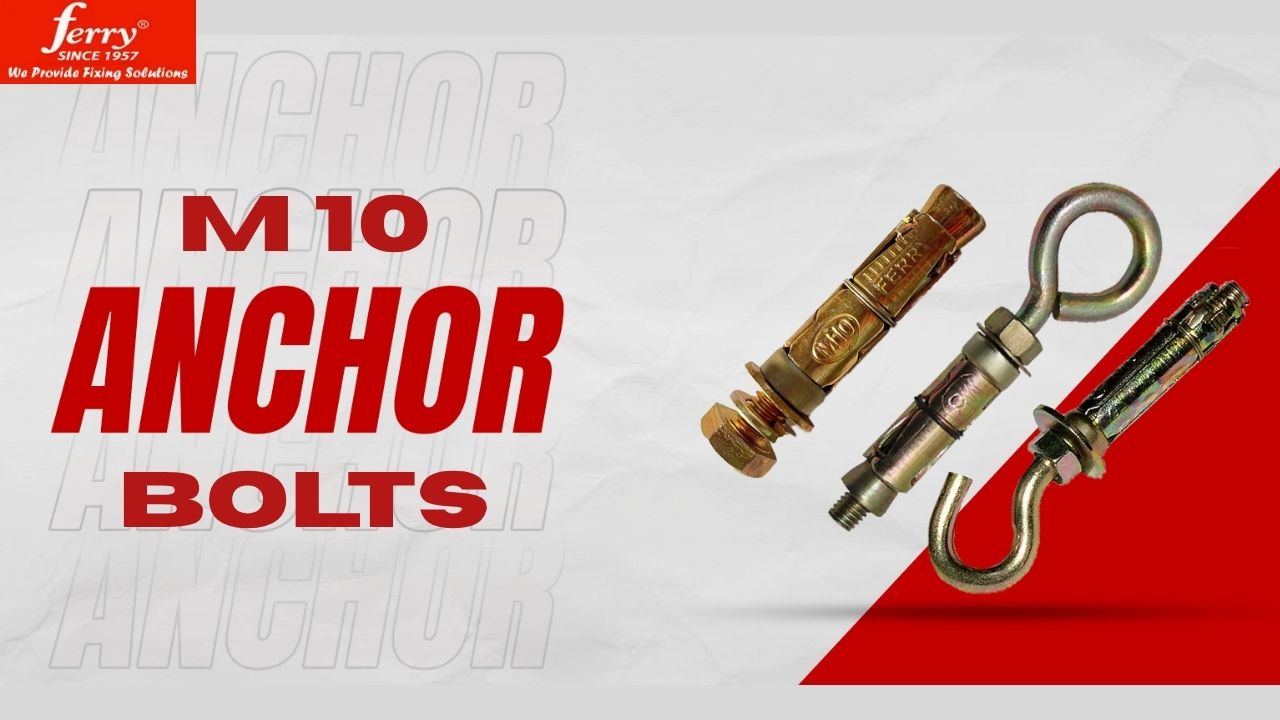
| Shield Anchor (3-leaf / 4-leaf) | Expands inside drilled hole via leaves | Brick, masonry, concrete — general to heavy-duty fixing |
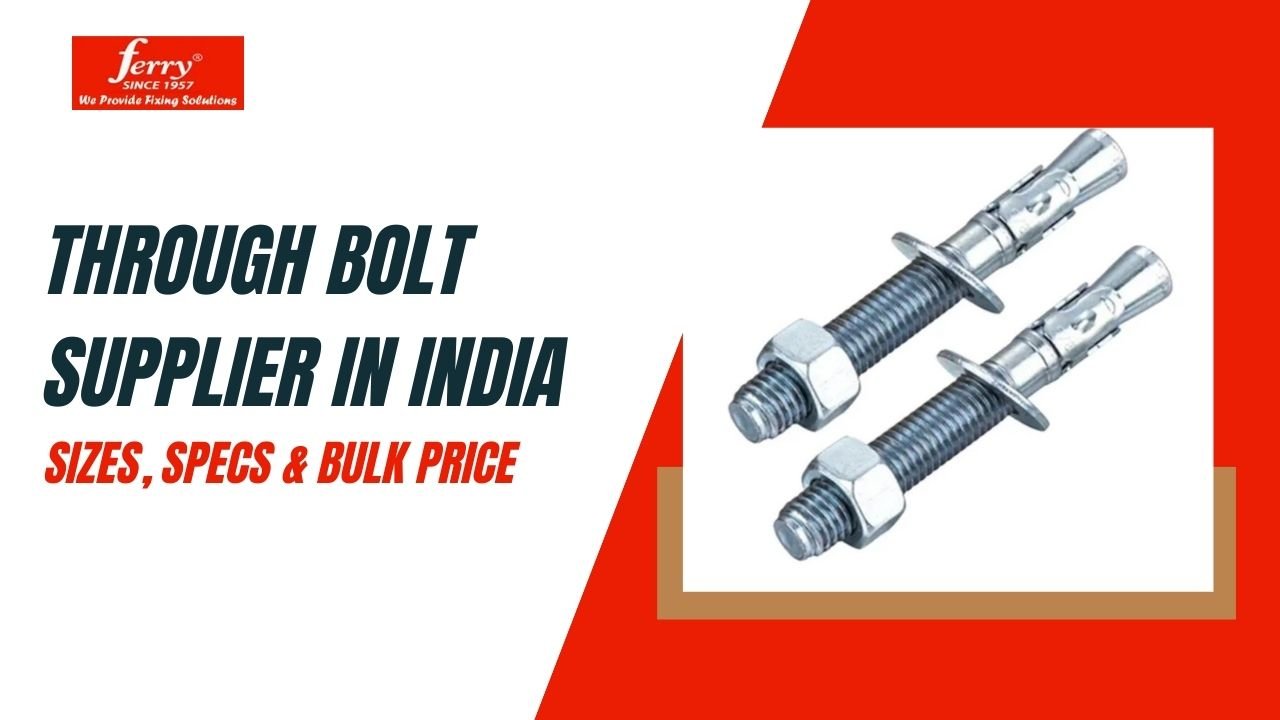
| Through Bolt (Wedge Anchor Type) | Torque-controlled expansion in concrete | Base plates, machinery, structural steel connections |
| Drop-in Anchor | Internally threaded, flush-set in concrete | Overhead, suspended systems, MEP installations |
| Brass Anchor | Knurled brass body, corrosion resistant | Marine, electrical, wet area applications |
| Eye Hook Anchor | Closed loop top for cable/rope attachment | Cable holding, rigging, lifting points |
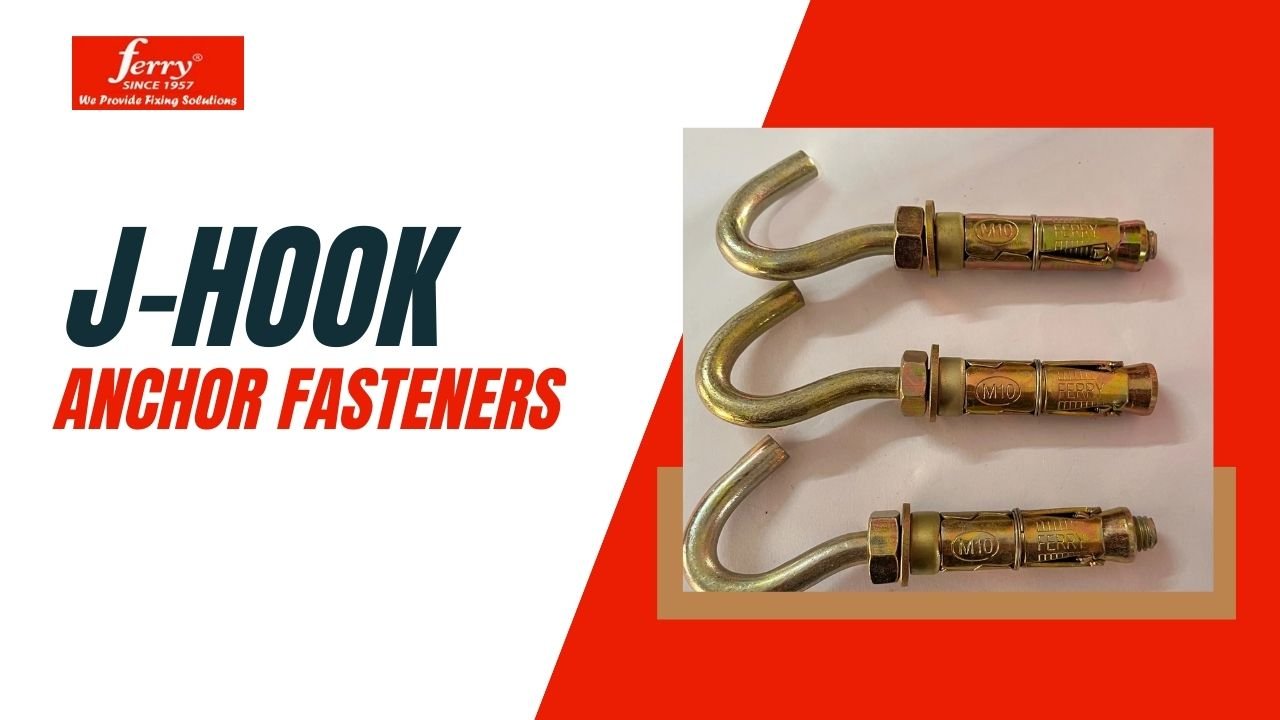
| J-Hook Anchor | J-shaped hook for pipe/cable support | Pipe supports, cable tray, conduit hanging |
| Expansion Anchor (general) | Mechanical anchor that expands in hole | Post-installed fixing in existing concrete |
| Chemical Anchor (general) | Installed using adhesive or resin | Retrofit and high-strength fixing |
Anchor bolt is a broad category, so it includes both cast-in and post-installed systems.
Foundation bolts are usually described by shape and foundation application.
| Type | Description | Typical Use |
|---|---|---|
| Cast-in Anchor Bolt | Bolt embedded during concrete pouring | Steel columns, machine bases, heavy equipment |
| Post-installed Mechanical Anchor | Expansion anchor installed in cured concrete | Retrofit, brownfield, existing structures |
| Post-installed Chemical Anchor | Adhesive/resin anchor for high loads | Critical structural connections, seismic zones |
| Custom Anchor Bolt | Manufactured as per drawing and specification | Project-specific industrial applications |
Most of the time, when buyers say foundation bolt, they are talking about these cast-in types used in foundations.
Anchor bolts are used in many applications, not only foundations.
Because their use is broad, the term anchor bolt covers many different job types.
Foundation bolts are mostly used where the bolt is part of the foundation system.
Another easy way to understand the difference is by looking at installation style.
| Point | Anchor Bolt | Foundation Bolt |
|---|---|---|
| Can be cast into concrete | Yes | Yes |
| Can be installed later in drilled concrete | Yes | Usually less commonly called this |
| Used in new foundation work | Yes | Yes |
| Used in retrofit work | Yes | Less commonly described this way |
| Includes chemical anchors | Yes | Usually not called foundation bolt in daily use |
This shows that when the job involves post-installed anchors, people usually prefer the term anchor bolt instead of foundation bolt.
Both anchor bolts and foundation bolts can be made from similar materials. The difference is usually not in material. It is mainly in naming, application, and installation.
| Material | Anchor Bolt | Foundation Bolt | Best For |
|---|---|---|---|
| Mild Steel | Yes | Yes | General construction |
| High Tensile Steel | Yes | Yes | Heavy-duty industrial work |
| Stainless Steel | Yes | Yes | Corrosion-prone areas |
| Hot Dip Galvanized Steel | Yes | Yes | Outdoor and exposed conditions |
| Zinc Plated Steel | Yes | Yes | Indoor use and mild environments |
This question sounds simple, but the truth is that it is not the right way to compare them.
The strength of a bolt depends on things like:
So you cannot say “anchor bolt is stronger” or “foundation bolt is stronger” only by name. One heavy-duty foundation bolt may be stronger than a light anchor bolt. One engineered anchor system may be stronger than a basic foundation bolt.
The correct answer is: strength depends on design, not just the name.
The answer depends on the application.
For B2B SEO, the best move is not choosing one and ignoring the other. Use both naturally in the content because buyers search in different ways.
If buyers do not understand the difference between anchor bolt and foundation bolt, they may:
A clear understanding helps manufacturers, suppliers, contractors, and project teams communicate better and reduce mistakes.
In many practical cases, yes. A foundation bolt is often a type of anchor bolt used in foundation work.
Yes. Anchor bolt is the wider category and includes more types and applications.
Ferry International manufactures Shield Anchors (3-leaf & 4-leaf), Through Bolts (Wedge Anchor Type), Drop-in Anchors, Brass Anchors, Eye Hook Anchors, J-Hook Anchors, and custom anchor bolts. These are post-installed mechanical anchors for concrete, masonry, and structural fixing.
No. Some anchor bolts are used in other concrete anchoring applications, including post-installed systems, so they are not always called foundation bolts.
Use both naturally. If the project is about machine bases, columns, or concrete foundation work, foundation bolt is a strong practical term. If the application is broader, anchor bolt is better.
The difference between anchor bolt and foundation bolt is much simpler than it looks.
An anchor bolt is the broader term for bolts used to fasten structures, supports, or equipment to concrete. A foundation bolt is usually the term used for bolts embedded in a concrete foundation to hold columns, machines, and base plates.
So the cleanest understanding is this:
That is the most practical, clear, and honest explanation.
| Summary Point | Anchor Bolt | Foundation Bolt |
|---|---|---|
| Category | Broad | More specific |
| Used in concrete | Yes | Yes |
| Used in foundations | Yes | Yes |
| Used in wider anchoring jobs | Yes | Less often |
| Common in technical language | Yes | Sometimes |
| Common in site language | Yes | Very common |
| Can both overlap | Yes | Yes |
Have Query ? Reach Out Us!
Recent Post
Ferry International — bulk anchor bolt manufacturer from Ghaziabad, U.P., since 1957. We produce ASTM & IS-compliant Shield Anchors, Through Bolts, Drop-in Anchors, J-Hook Anchors, Eye Hook Anchors, Brass Anchors, and pipe clamps for construction, oil & gas, power, marine, solar, and infrastructure. Bulk RFQs only. ISO 9001:2015 | ZED Bronze | UDYAM Registered.
Follow Us
Important Links
Our Services
Contact Us

.jpg "Anchor Bolt Manufacturers in Haridwar")


.jpg "Brass Anchor Manufacturers Jamnagar Gujarat")

.jpg "Top Anchor Bolt Manufacturers in India (2026) | Ferry International")


.jpg "Drop-In Anchors for Concrete Fixing")
 Bulk Supplier.jpg "Rubber Lined Split Clamp (Cushioned Pipe Clamp) – Bulk Supply")
.jpg "Sprinkler Clamp Manufacturer in Telangana | Project Bulk Supply by Ferry International")
.jpg "Rubber Lined Pipe Clamp")
.jpg "How to Choose Fasteners for Industrial Projects")
.jpg "Bulk Anchor Bolt Supplier for New Berlin,")
.jpg "Anchor Bolts Supplier for Bulk Orders in South Africa")