Have Query ? Reach Out Us!

Have Query ? Reach Out Us!
30 Jun , 2026
How to Choose the Right Pipe Clamp
Reviewed by the Ferry International Technical Team — 65+ years of pipe clamp manufacturing experience, ISO 9001:2015 certified, supplying HVAC, fire protection, and industrial buyers in 15+ countries.
Picking the wrong pipe clamp is a small mistake with big consequences: premature pipe wear, vibration cracks at joints, costly retrofits, even water damage on commercial projects. Yet on most job sites, the clamp specification is decided in the last 10 minutes of procurement — usually by matching pipe size and hoping the rest works out.
This guide fixes that. Whether you're an MEP engineer sizing HVAC supports, a fire protection contractor sourcing sprinkler clamps, or a procurement manager comparing rubber lined split clamps against U-bolts, the next few minutes give you a clear framework:
Let's get into it.
A pipe clamp is a mechanical fastener that secures piping in place — controlling position, absorbing vibration, distributing load, and protecting the pipe surface from movement-related wear. In modern HVAC, plumbing, fire protection, and industrial systems, the clamp is the unsung component that quietly decides how long the piping system lasts.
A well-specified clamp does four jobs at once:
Get any one of these wrong and the system either fails early or transmits noise and stress into the building structure.


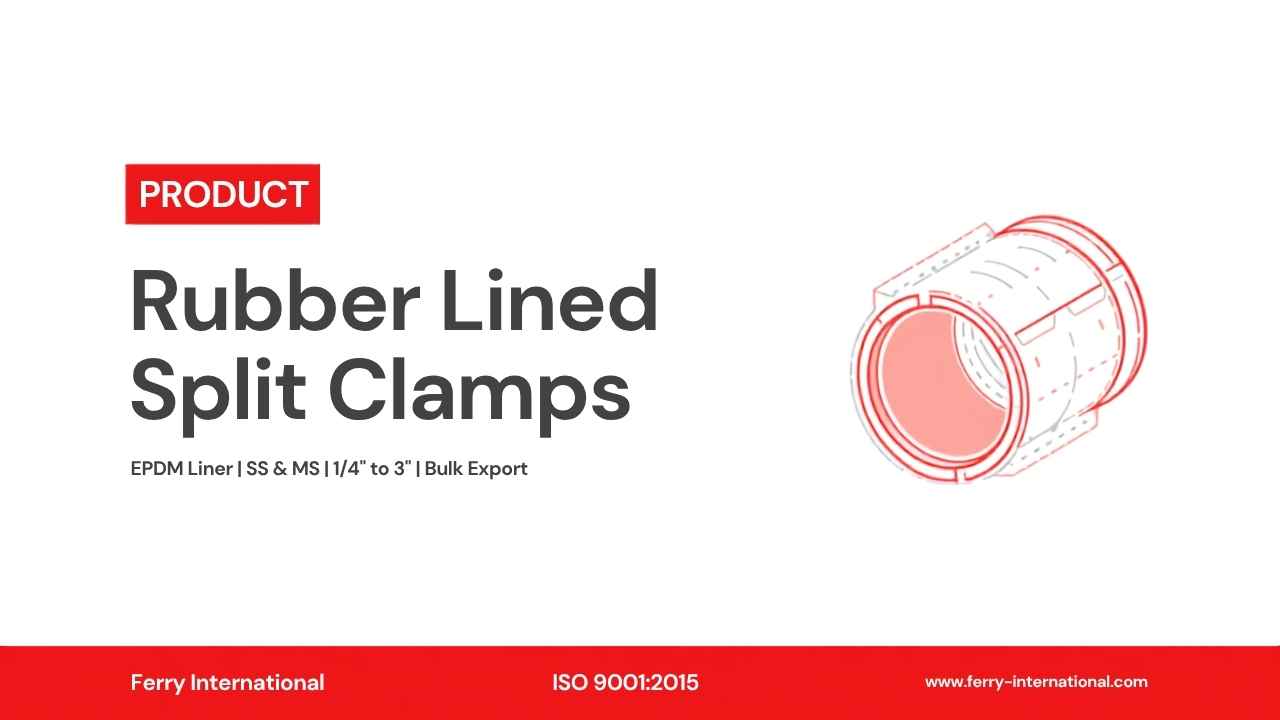
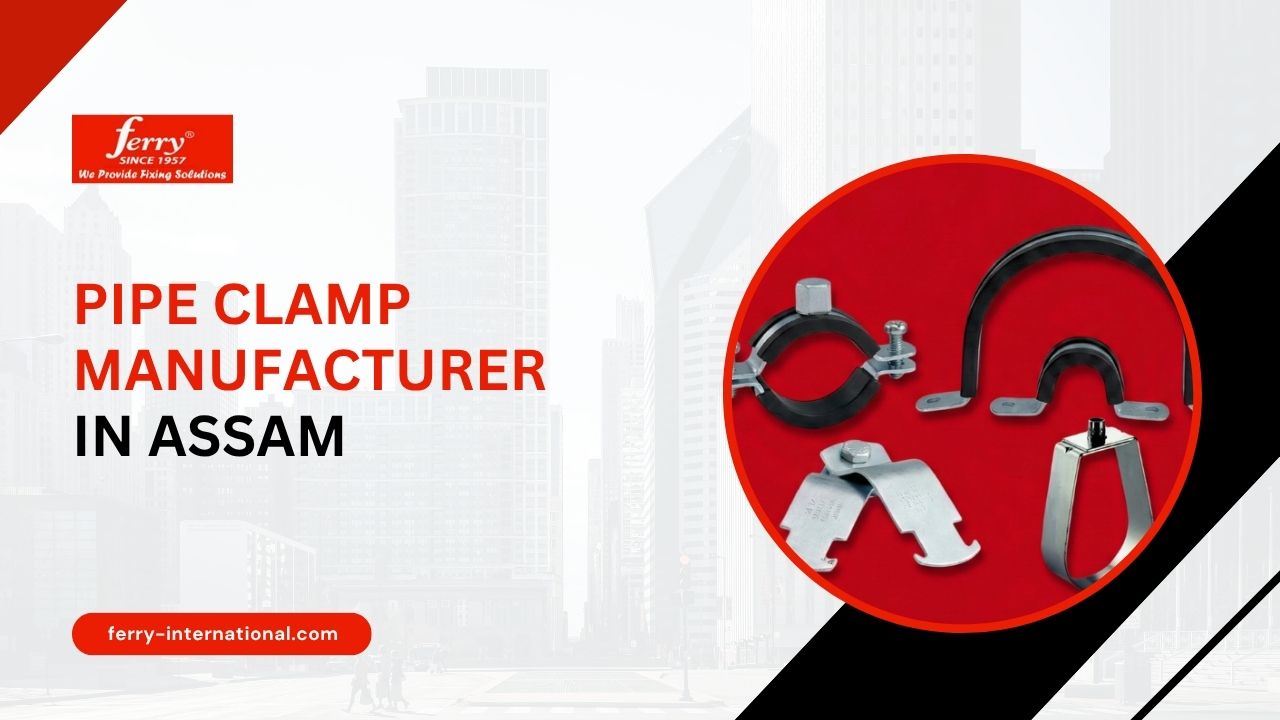
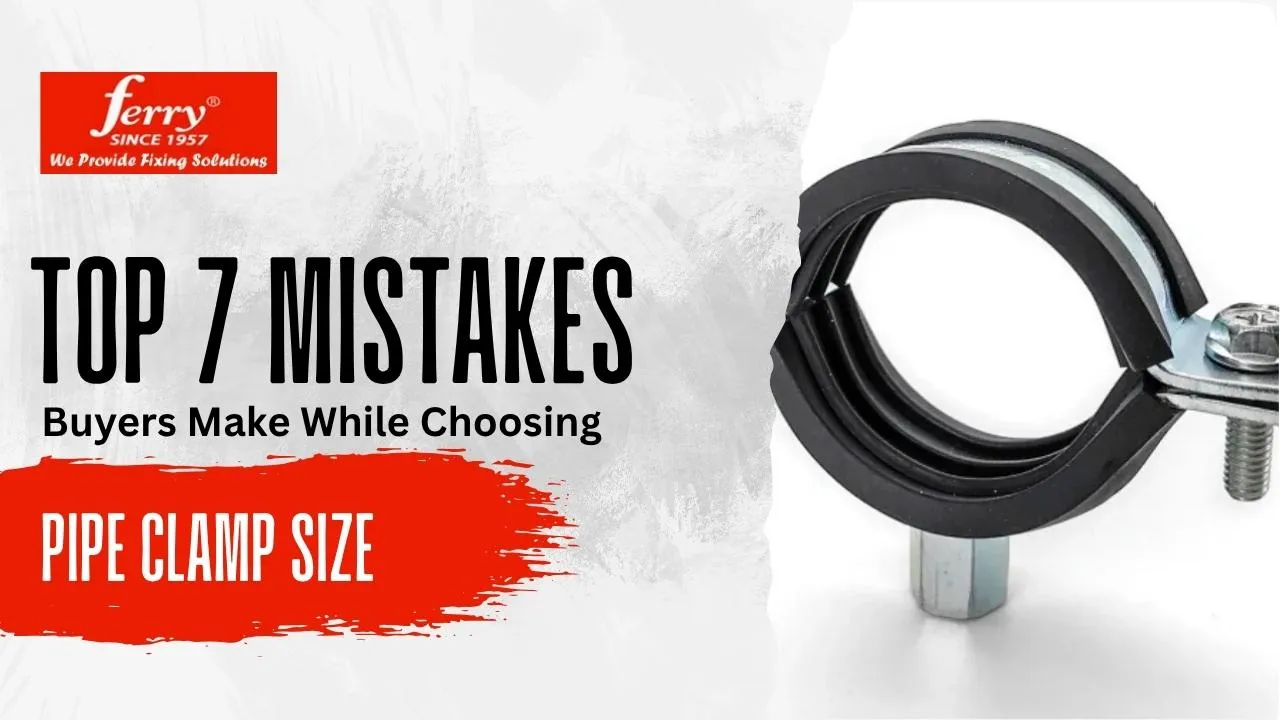
What it is: A two-piece clamp with an EPDM rubber liner that grips the pipe while isolating it from the metal body.
Best for: Vibration control, noise reduction, and pipe surface protection.
Common applications: HVAC chilled water lines, plumbing risers, refrigeration piping, fire mains where vibration damping matters.
Why buyers choose it: The rubber liner solves two problems at once — it absorbs vibration that would otherwise crack joints over time, and it cushions the pipe at the contact point so the clamp doesn't wear the pipe wall. For any system where pumps, compressors, or thermal cycling create movement, the rubber lined split clamp is the default specification.
Specify: pipe OD, body material (SS or MS), connection nut size, mounting type (single or double bolt).


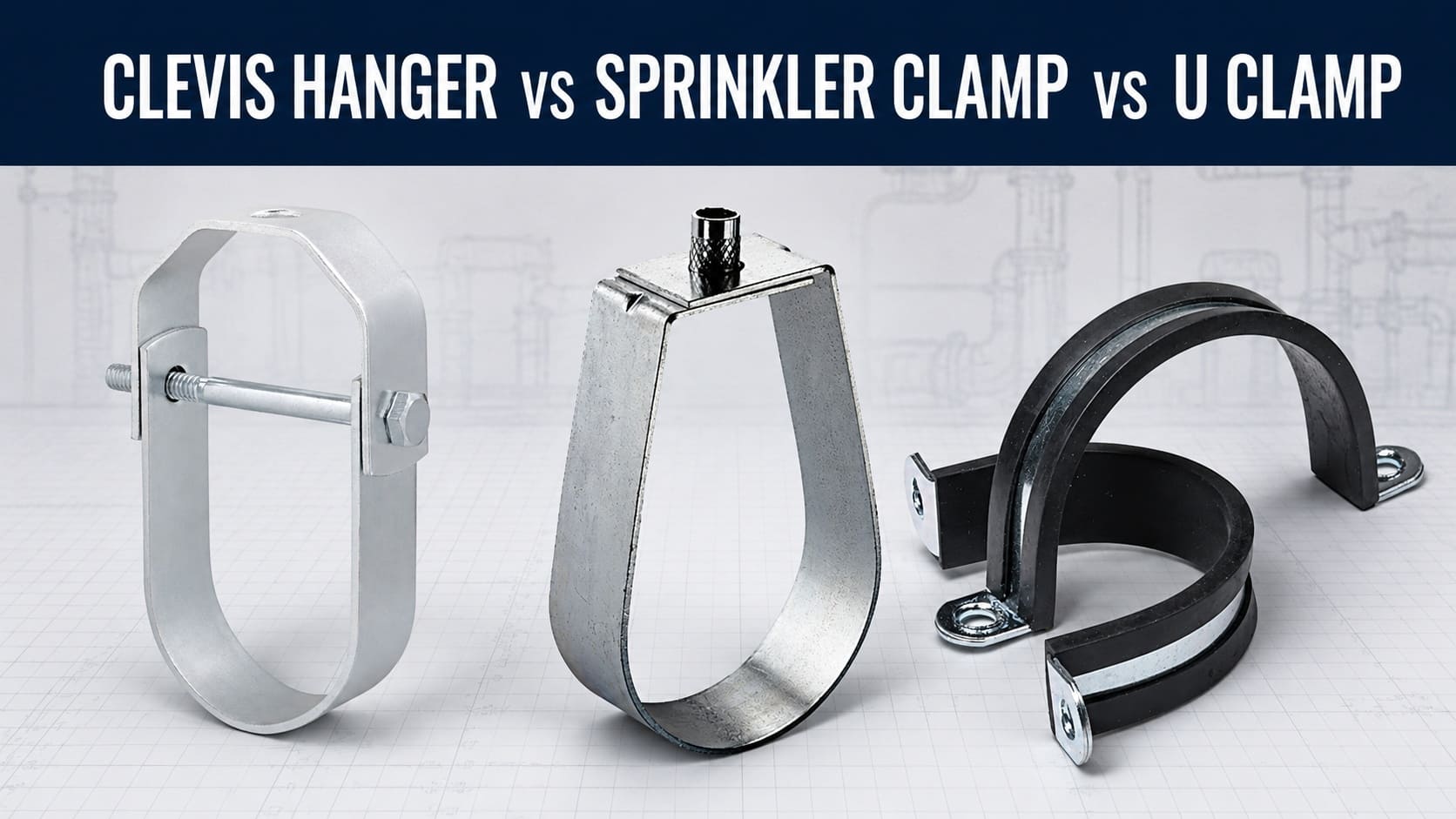
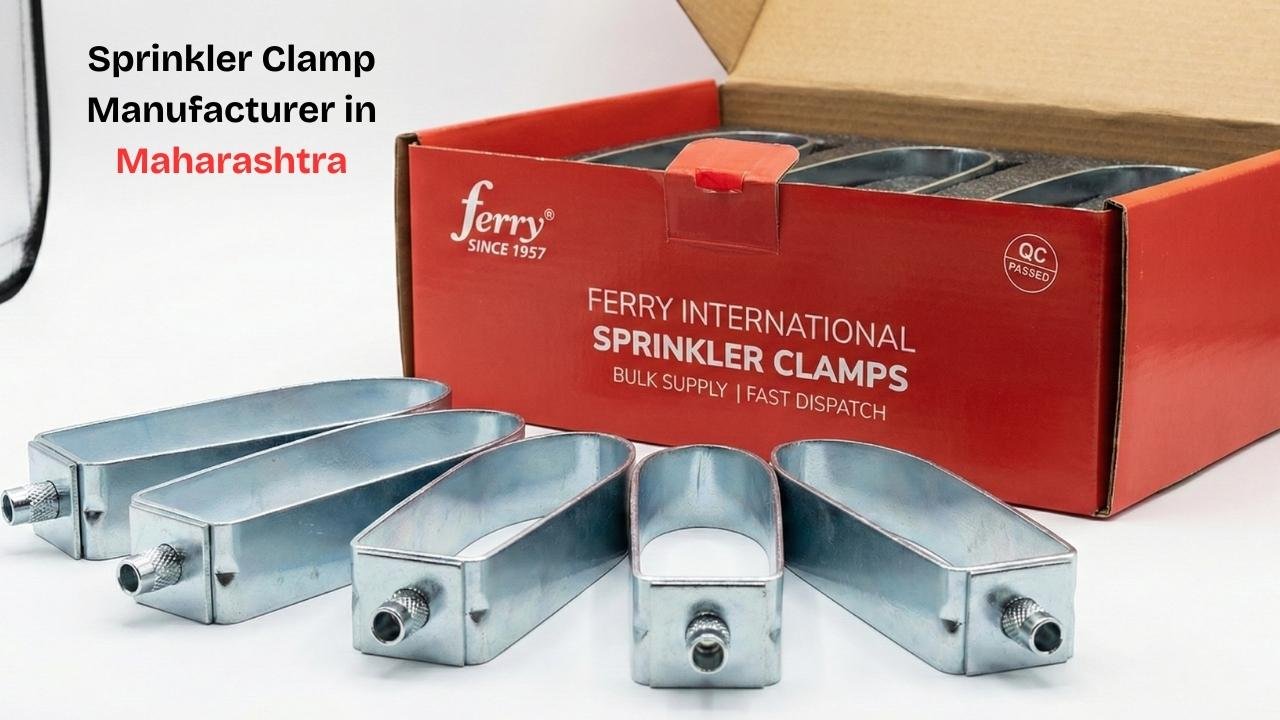
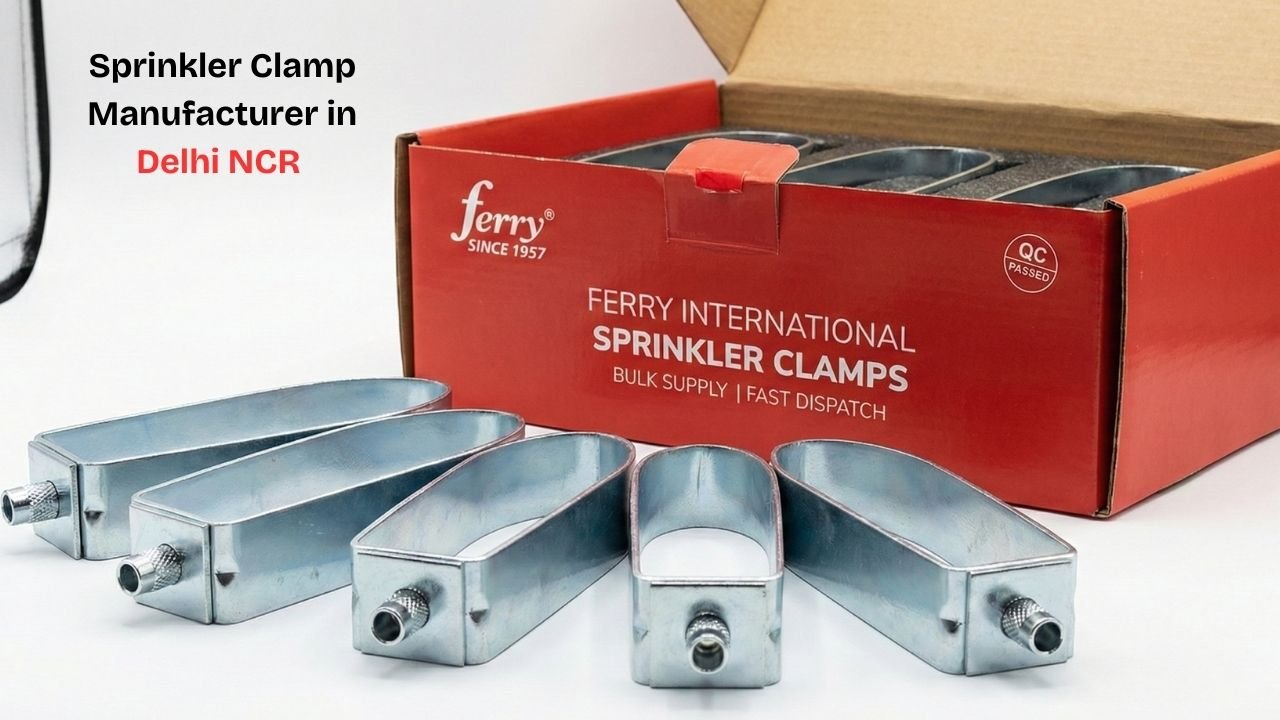
What it is: A heavy-duty pipe clamp engineered specifically for horizontal fire sprinkler pipe support, typically white zinc plated for corrosion resistance.
Best for: Fire protection and irrigation networks.
Common applications: Sprinkler pipe support in commercial buildings, warehouses, malls, industrial sheds, hospitals, schools.
Why buyers choose it: Sprinkler clamps are designed for fast, near tool-free installation, which collapses install time on large fire protection runs where there can be hundreds of support points per floor. White zinc plating gives the clamp resistance to the humid, sometimes corrosive environments inside ceiling voids and risers.
Specify: pipe OD, plating/finish, and whether the project requires FM-listed components (sprinkler clamps can be supplied with FM-approved fittings where the spec demands it).


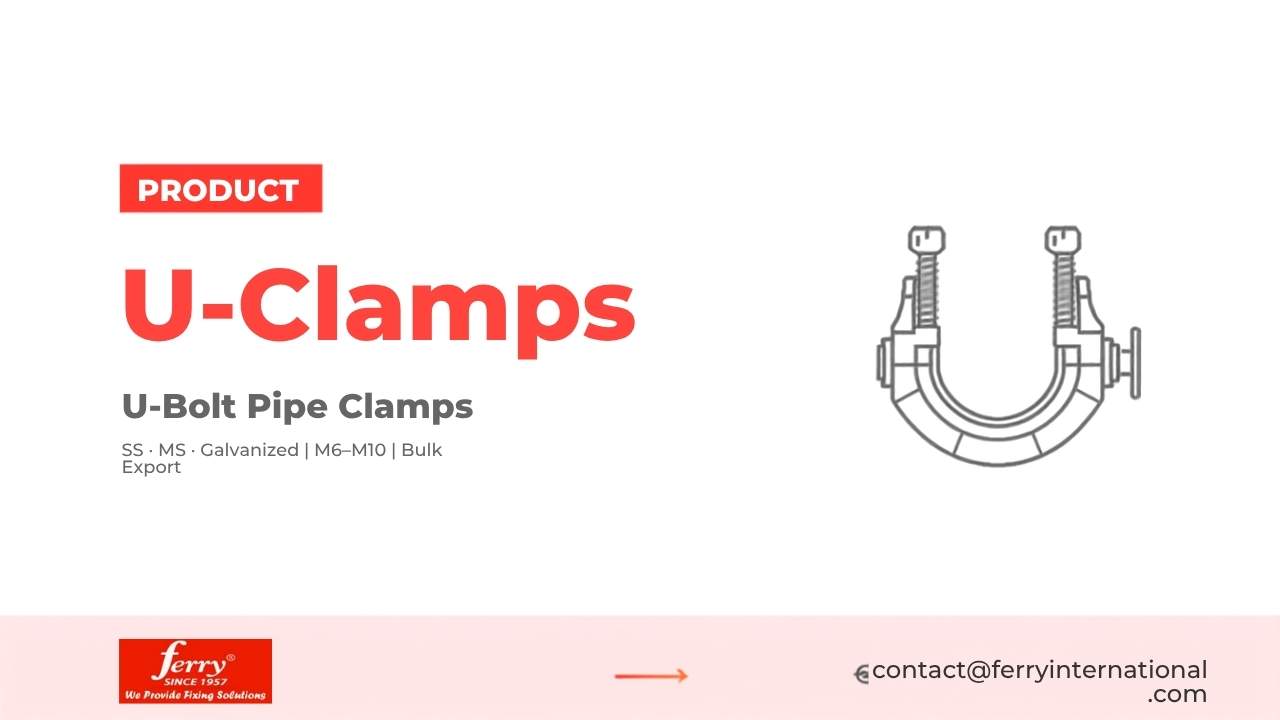
What it is: A U-shaped bolt with two threaded legs, typically used with a base plate or saddle and two nuts.
Best for: Heavy-duty, load-bearing pipe support.
Common applications: Industrial process piping, mechanical plant rooms, plumbing under-floor and overhead runs, automotive and construction supports.
Why buyers choose it: When the support has to take real load — long horizontal runs, larger diameter pipes, vibration from machinery — a U-clamp's symmetrical grip and two-bolt fixing handle it better than a single-bolt clamp. They're also the most cost-effective option for high-volume industrial runs.
Specify: pipe OD, thread size (M6, M8, M10), leg length, finish (galvanized, zinc plated, or SS), and base plate vs. saddle.
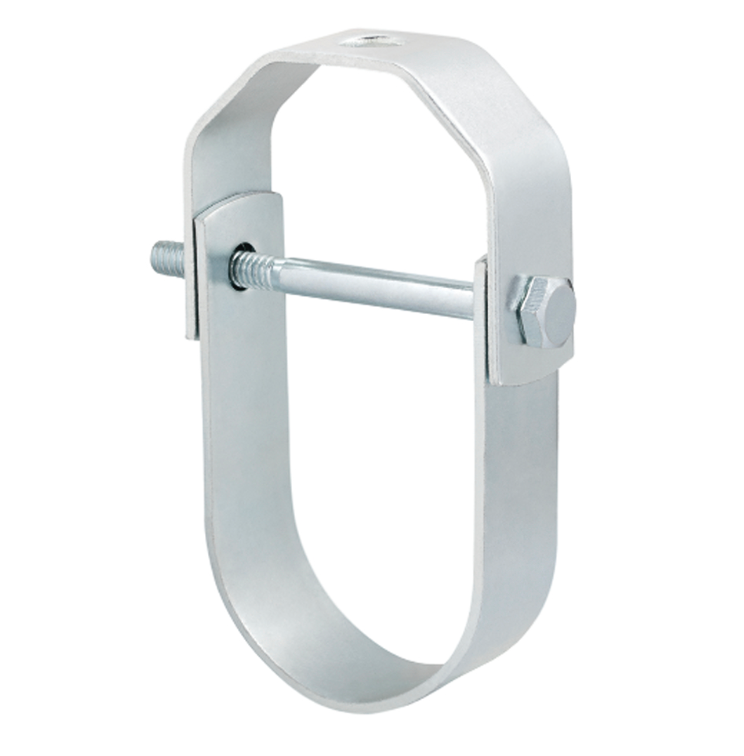

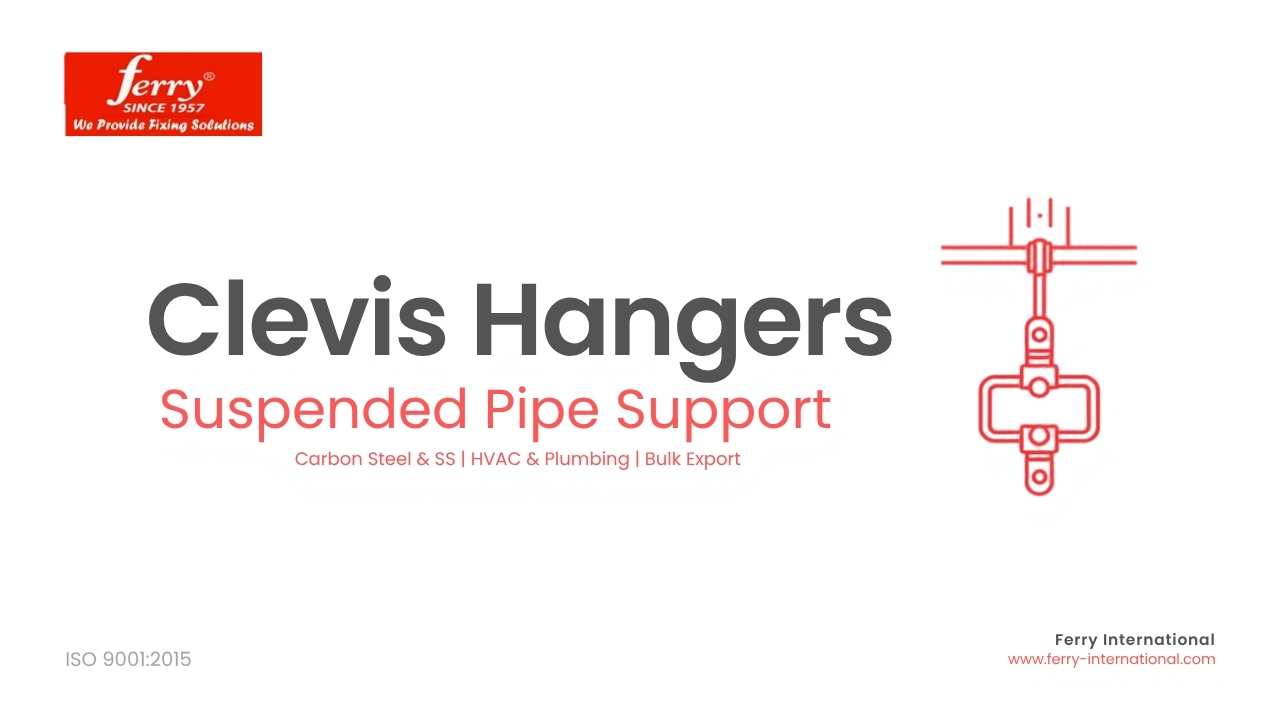
What it is: A suspended pipe support consisting of two clevis halves connected at the top with a threaded rod attachment.
Best for: Vertical and suspended pipe runs from ceilings or overhead structure.
Common applications: HVAC chilled water and hot water lines, plumbing risers, industrial pipe drops, fire protection mains hung from concrete or steel.
Why buyers choose it: The clevis design lets the pipe drop into the lower half during installation — a single installer can position long pipe runs alone. It also allows quick re-tightening for maintenance access without removing the support.
Specify: pipe OD, rod size, body material (carbon steel or SS), and finish.

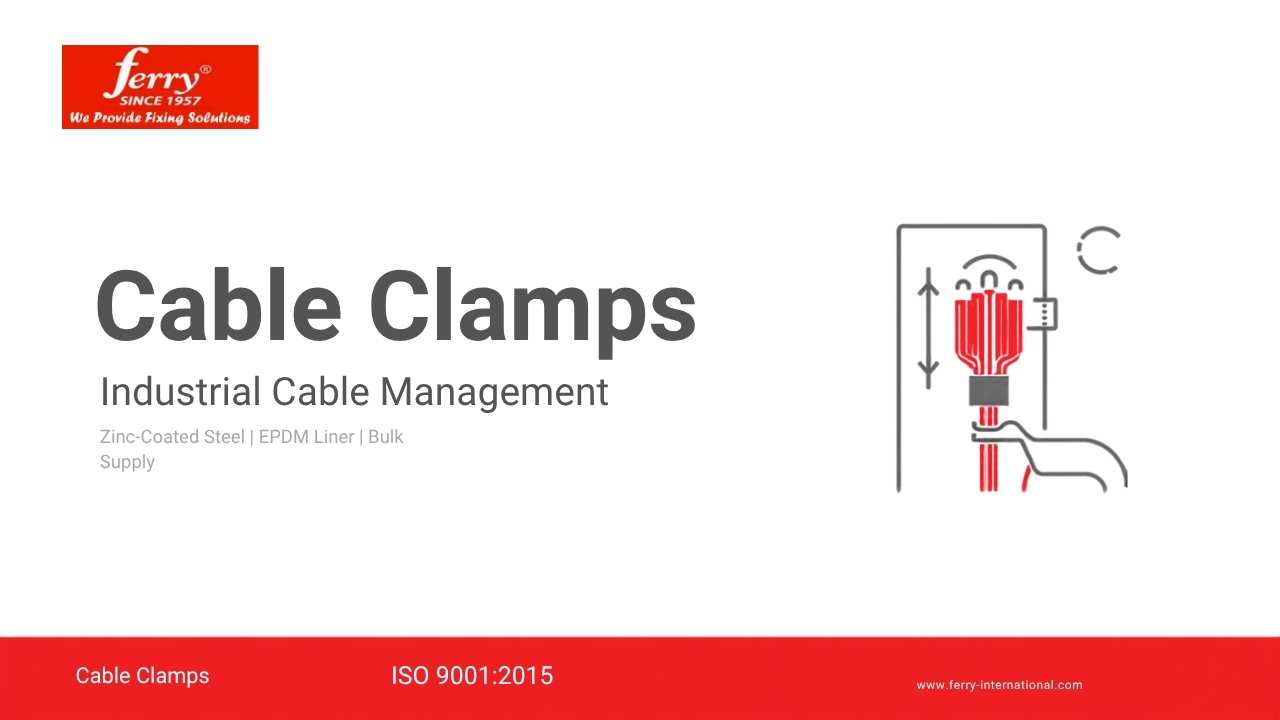
What it is: A small-diameter clamp — typically zinc-coated steel with an EPDM rubber liner — designed to organize cables and small-bore lines rather than pressure piping.
Best for: Electrical cable routing and tidy cable management in industrial environments.
Common applications: Electrical panels, cable trays, machinery wiring, control panel routing.
Why buyers choose it: The rubber liner protects cable jackets from abrasion; the metal body holds up in harsh industrial environments where plastic ties would degrade. Useful anywhere cables share routing space with hot or vibrating equipment.
What it is: Reinforced versions of split or U-clamp designs built for high-load and high-pressure applications.
Best for: Critical industrial installations.
Common applications: Petrochemical plants, oil & gas piping, high-pressure water lines, steam piping, marine systems.
Why buyers choose it: When failure isn't an option, heavier wall thickness, higher-grade fasteners, and tighter manufacturing tolerances are worth the cost premium. These are the clamps you specify when codes or insurance require demonstrable load ratings.
Use this checklist before raising a purchase order. It's the same one we walk buyers through on every project enquiry.
When buyers send these seven inputs, an accurate quote comes back same-day. Without them, expect a back-and-forth that delays procurement by a week.
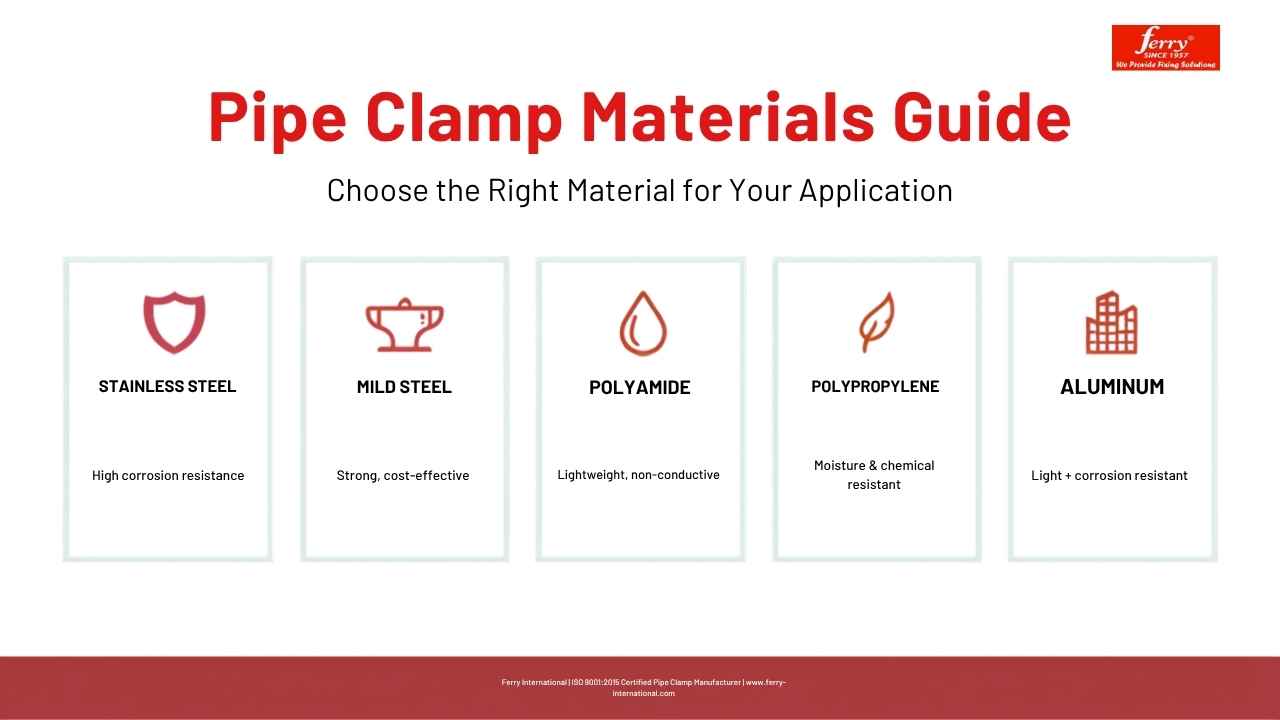
The material decision is rarely about strength alone — it's about the environment the clamp will live in for the next 15–25 years.
| Material | Key Benefit | Recommended For |
|---|---|---|
| Stainless Steel (SS) | High corrosion resistance | Marine, outdoor, chemical, food-grade |
| Mild / Carbon Steel (MS) | Strong, cost-effective | Indoor HVAC, plumbing, general industrial |
| Polyamide (PA) | Lightweight, strong, non-conductive | Light-duty industrial, electrical, dry environments |
| Polypropylene (PP) | Moisture and chemical resistant | Water systems, outdoor wet zones |
| Aluminum | Light + corrosion resistant | Commercial buildings, lightweight installations |
Field guidance from our manufacturing floor:
A starting reference for the most commonly specified clamps. Custom sizes are available against drawings.
| Clamp Size (inches) | Pipe OD Range (mm) | Connection Nut |
|---|---|---|
| 1/4" | 6 – 10 | M6 |
| 1/2" | 10 – 16 | M6 |
| 3/4" | 16 – 20 | M6 |
| 1" | 20 – 25 | M8 |
| 1 1/4" | 25 – 32 | M8 |
| 1 1/2" | 32 – 40 | M8 |
| 2" | 40 – 50 | M8 |
| 2 1/2" | 50 – 65 | M10 |
| 3" | 65 – 80 | M10 |
For larger diameters (4"+, 6"+ industrial process lines), share the pipe OD and load requirement — we manufacture to spec.
DIN 3015 is the German standard for pipe clamps used in hydraulic, pneumatic, and general industrial piping. It defines clamp body dimensions, jaw profiles, and load ratings — and is the closest thing to a global reference for industrial pipe clamp design.
Most reputable Indian manufacturers, including Ferry International, produce clamps to DIN 3015-style dimensions for export buyers who specify them. When sourcing for a project that has German, European, or EPC contractor input, asking for "DIN 3015-style" clamps signals you want consistent, internationally recognized dimensions rather than improvised local designs.
Beyond DIN 3015, look for:
When you're ordering hundreds or thousands of clamps for a project, the difference between a clean delivery and a procurement headache is in the brief. Share the following with any manufacturer to get a fast, accurate quote:
For exports, also confirm Incoterms (FOB, CIF, EXW), HS code requirements, and any country-specific compliance.
After six decades of supplying pipe clamps, the same three mistakes show up on most failed procurements:
Ferry International has manufactured industrial fasteners and pipe support systems since 1957, with over six decades of experience supplying HVAC contractors, fire protection projects, EPC firms, and OEM buyers across India and 15+ export markets in the Middle East, Africa, Southeast Asia, and Europe.
Our pipe clamp range covers rubber lined split clamps, sprinkler clamps, U-clamps, clevis hangers, cable clamps, and heavy-duty industrial clamps — manufactured in SS, MS, PA, PP, and aluminum, sized from 1/4" through 3" as standard with custom dimensions to drawing.
The manufacturing facility is in Tronica City, Ghaziabad (UP), India, and operarubber lined split clampstes under ISO 9001:2015 certification with in-house quality control, stress testing, and load testing on every batch.
Get a quote: contact@ferry-international.com | +91 9990877399 | Request a quote
Which pipe clamp is best for HVAC vibration control?
Rubber lined split clamps. The EPDM liner absorbs vibration from pumps and compressors and prevents the metal-to-pipe contact wear that causes joint failure over time.
What's the difference between a U-clamp and a clevis hanger?
A U-clamp grips a pipe against a base plate or saddle, typically used for surface-mounted runs. A clevis hanger suspends the pipe from a threaded rod, used for overhead and ceiling-hung piping.
Which material should I choose for outdoor or coastal pipe clamps?
Stainless steel (SS 304 minimum, SS 316 for coastal or chemical exposure). Mild steel with hot-dip galvanizing is acceptable for non-coastal outdoor use but has a shorter service life.
Are Ferry International's pipe clamps DIN 3015 compliant?
Yes — Ferry manufactures pipe clamps to DIN 3015-style dimensions for export and EPC buyers who specify the standard. Material test certificates are available on request.
Can you supply pipe clamps in bulk for export projects?
Yes. Ferry International exports to 15+ countries across the Middle East, Africa, Southeast Asia, and Europe, with bulk supply, repeat orders, and OEM customization available. Share your specification using the 10-point checklist above for a same-day quote.
What's the minimum order quantity for custom pipe clamps?
MOQs depend on the clamp type and material. For standard sizes, stocked items can ship in small quantities; for custom dimensions or finishes, MOQs are quoted per project.
Ready to source? Request a bulk pipe clamp quote →
Have Query ? Reach Out Us!
Recent Post
Ferry International — bulk anchor bolt manufacturer from Ghaziabad, U.P., since 1957. We produce ASTM & IS-compliant Shield Anchors, Through Bolts, Drop-in Anchors, J-Hook Anchors, Eye Hook Anchors, Brass Anchors, and pipe clamps for construction, oil & gas, power, marine, solar, and infrastructure. Bulk RFQs only. ISO 9001:2015 | ZED Bronze | UDYAM Registered.
Follow Us
Important Links
Our Services
Contact Us

.jpg "Anchor Bolt Manufacturers in Haridwar")


.jpg "Brass Anchor Manufacturers Jamnagar Gujarat")

.jpg "Top Anchor Bolt Manufacturers in India (2026) | Ferry International")


.jpg "Drop-In Anchors for Concrete Fixing")
 Bulk Supplier.jpg "Rubber Lined Split Clamp (Cushioned Pipe Clamp) – Bulk Supply")
.jpg "Sprinkler Clamp Manufacturer in Telangana | Project Bulk Supply by Ferry International")
.jpg "Rubber Lined Pipe Clamp")
.jpg "How to Choose Fasteners for Industrial Projects")
.jpg "Bulk Anchor Bolt Supplier for New Berlin,")
.jpg "Anchor Bolts Supplier for Bulk Orders in South Africa")