Have Query ? Reach Out Us!

Have Query ? Reach Out Us!
.jpg "Drop-In Anchors for Concrete Fixing")
08 Jan , 2026
Ferry International | Supply for India + Saudi Arabia + UAE + Qatar
This guide clears the confusion and helps you choose correctly — without fake load claims.
Get Quote
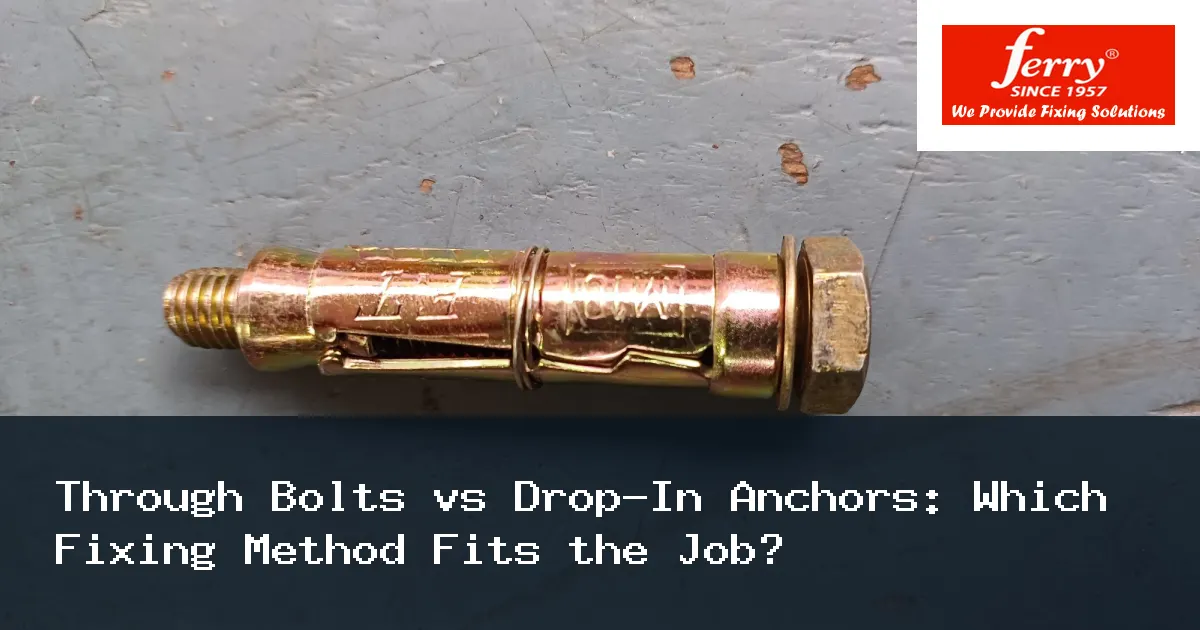
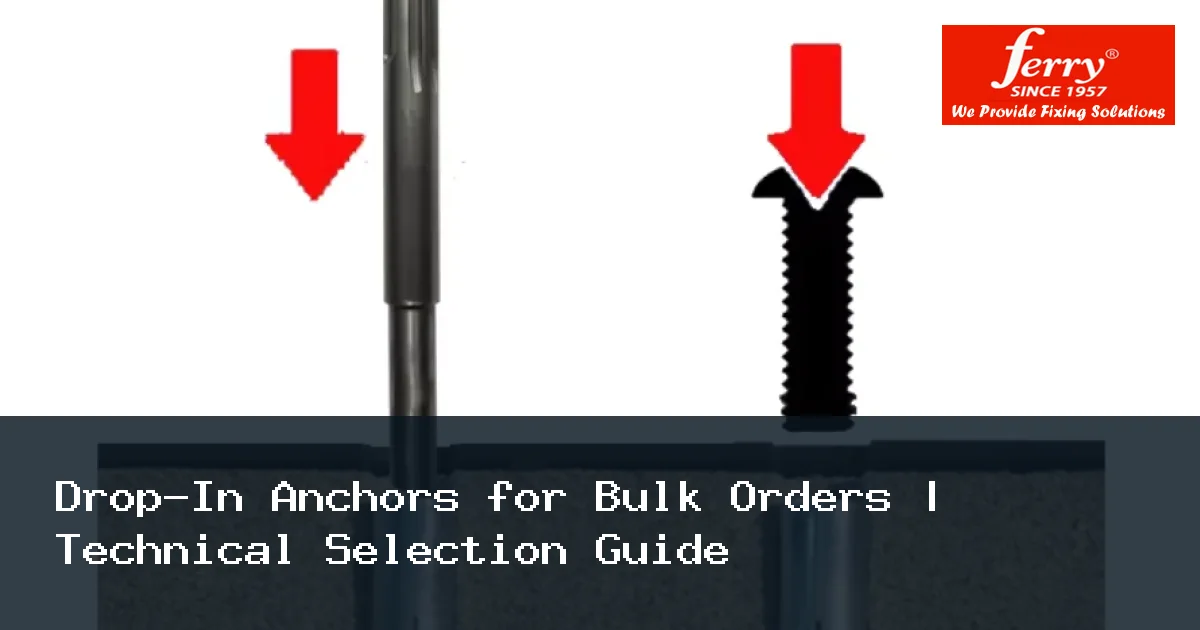
A drop-in anchor is a flush-fitting internally threaded anchor used in solid concrete.
You install it inside the drilled hole and expand it using a setting tool. After that, you can fasten a bolt or threaded rod into its internal threads.
Choose drop-in anchors when you want:
Neat fixing for MEP supports, hangers, brackets, trays, racking
Not sure which size/material you need?
Send:
(1) application (what you’re fixing),
(2) thread size needed (M6/M8/M10…),
(3) quantity,
(4) location.
Ferry International can recommend the right option and quote for India + Saudi + UAE + Qatar.
Need help choosing size? Send application + location
A drop-in anchor is a metal expansion sleeve with internal threads.
Once installed, it sits inside the concrete (flush). Then you screw in a bolt or threaded rod into the anchor.
People also call it:
Drop-in anchors are popular in commercial, industrial and MEP work because they’re clean and removable.
Common uses:
If your job is “rod hanging from concrete ceiling” — drop-in anchors are one of the standard choices.
Most anchor issues happen because people use the correct product in the wrong base material.
Avoid or be careful when:
If your base material is questionable, it’s smarter to shift to a different anchoring method (often chemical anchoring), rather than forcing a drop-in anchor.
A drop-in anchor holds because its sleeve expands inside the hole.
Process:
Important: A drop-in anchor that’s not properly “set” may look installed but can fail under load.
This is where most buyers get confused, so keep it simple:
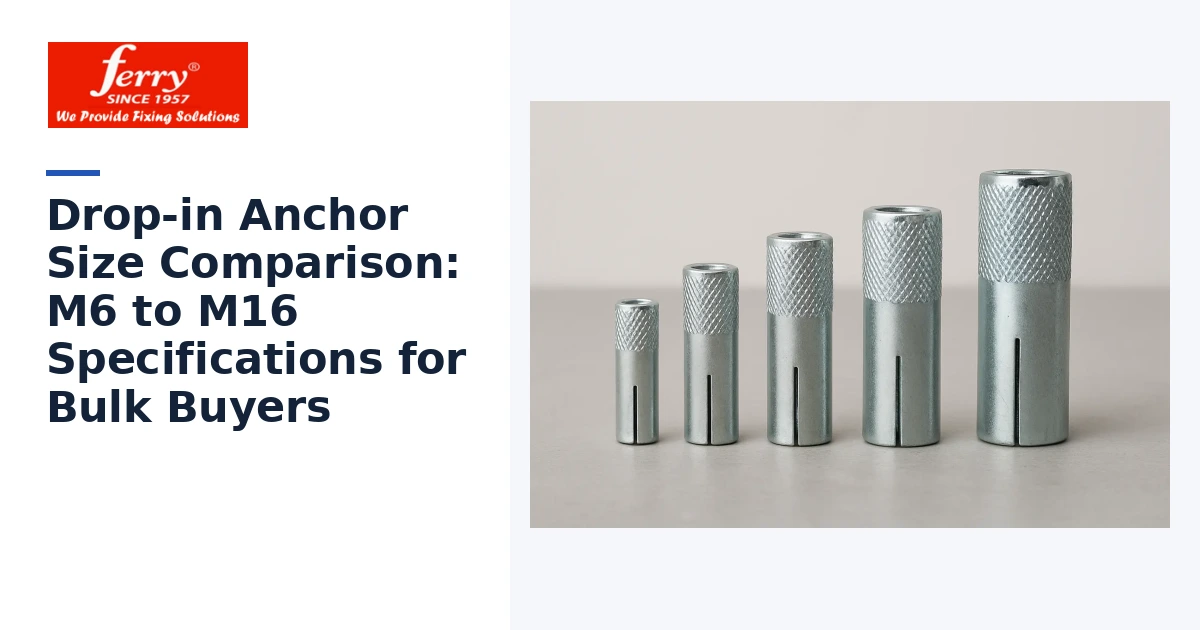
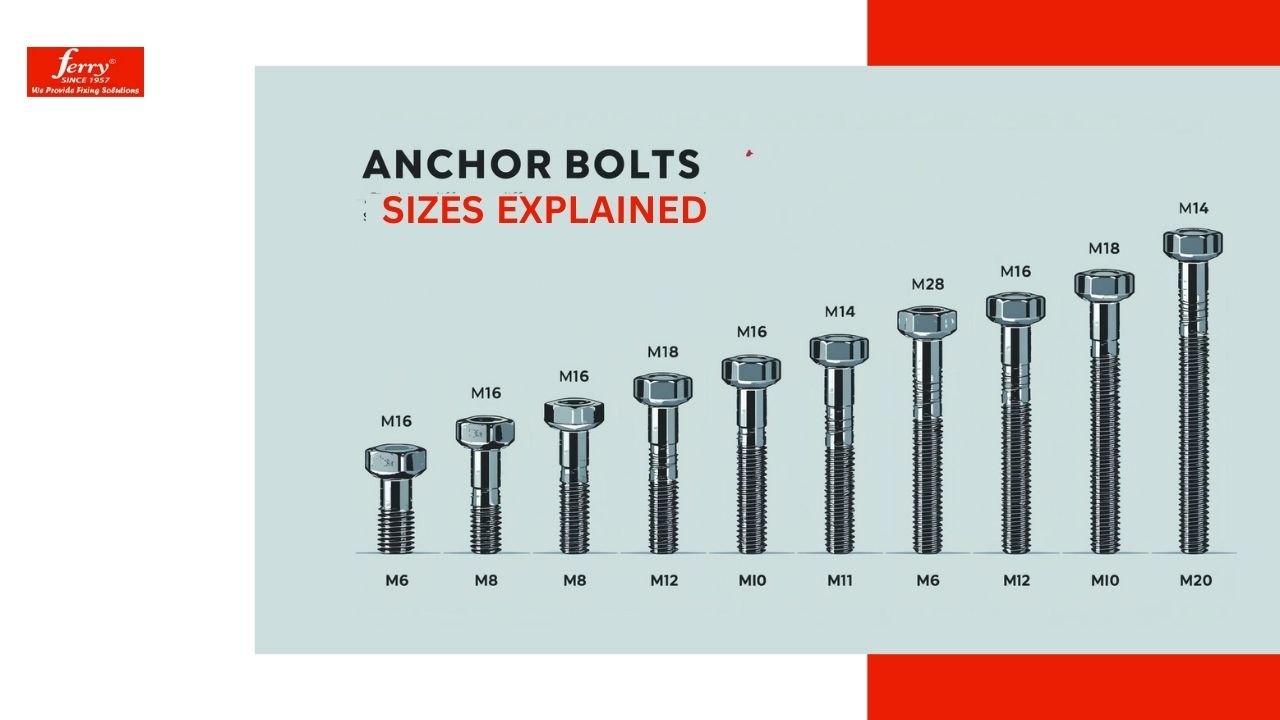
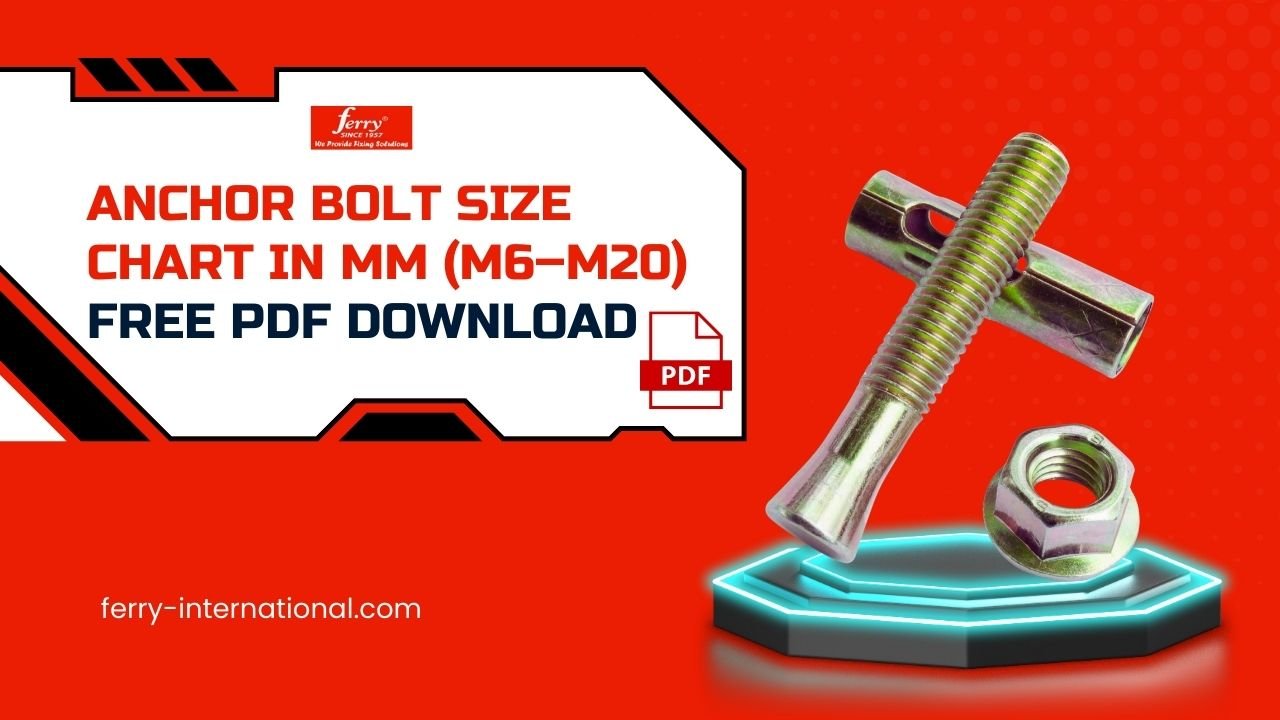
Below is a typical size reference many buyers use for quick matching.
| Size | L (mm) | Thread L |
|---|---|---|
| M6 | 25 | 11 |
| M8 | 30 | 14 |
| M10 | 40 | 17 |
| M12 | 50 | 20 |
| M16 | 65 | 25 |
Don’t make a common mistake:
This table helps you compare lengths and thread depth — but drill diameter and embedment depth must be taken from the exact product spec (different brands/models vary). If you guess drill size, you create site risk.
If you want, tell me: what you’re fixing + thread size + concrete type and I’ll write the selection guidance section for your page in a super clear way.
If the anchor is going into humid/coastal/industrial environments (very common in UAE/Qatar and parts of Saudi), corrosion choice matters.
Typical options:
SS316 is often preferred for high-corrosion areas (especially near marine/coastal exposure)
If the project is outdoors / coastal / industrial: don’t cheap out on coating. The anchor may hold mechanically but still fail long-term due to corrosion.
Anyone giving you one “universal load number” for drop-in anchors is oversimplifying.
Best practice for a buyer:
Ask the supplier for product-specific technical data and share your application details. That’s how you avoid under-design or overpaying.
Correct installation is what makes a drop-in anchor trustworthy.
Use the exact drill diameter recommended for that anchor model
Drill to the required depth (do not “approximate”)
Blow out dust / brush / blow again
Dust left inside reduces grip. This is one of the biggest causes of failures.
Insert until seated properly (flush as required)
Use the correct setting tool
Set until the anchor expands properly
Install the bolt/rod into internal thread
Tighten as required (avoid over-torque without spec)
Common site mistakes
If you’re purchasing for a project, don’t just say “M10 anchor chahiye”. Provide this:
Thread size needed: M6 / M8 / M10 / M12 / M16
What are you fixing: hanger rod, bracket, tray, racking, etc.
Base material: solid concrete grade/condition (if known)
Environment: indoor/outdoor, coastal, industrial, humid
Quantity: pieces required + repeat requirement
Location: India / Saudi / UAE / Qatar + city/site
Delivery timeline: urgent/standard
This makes your quote fast and correct — and prevents wrong supply.
For bulk orders, Ferry International can support:
Size-wise segregation for site convenience
Packaging suitable for shipment and handling
Project-based supply planning (depending on requirement)
Product: Drop-In Anchor
Size: M__
Quantity: ____ pcs
Application: __________
Material/coating: Zinc / SS (specify if needed)
Delivery location: __________ (India/Saudi/UAE/Qatar)
Required date: __________
We supply based on project requirement for:
Pan-India (industrial hubs + nationwide dispatch)
Saudi Arabia / UAE / Qatar (GCC project supply)
If your project needs consistent repeat supply, share the monthly requirement — pricing and dispatch planning becomes smoother.
That’s exactly what Ferry International focuses on for industrial buyers.
Q1. Are drop-in anchors reusable?
The bolt/rod can be removed and refitted, but the anchor itself stays in concrete once set.
Q2. Can I use drop-in anchors in brick or hollow blocks?
Not recommended. Use a fixing method designed for that base material.
Q3. Do I need a setting tool?
Yes. Without proper setting, performance becomes unreliable.
Q4. Is zinc plating enough for UAE/Qatar sites?
For many coastal/humid/outdoor zones, stainless steel is safer. Selection should match environment.
Q5. What info should I send to get the right quote?
Size (M__), qty, application, location, and environment condition.
If you want the correct anchor selection + price, send:
✅ Size (M6/M8/M10/M12/M16)
✅ Quantity
✅ What you’re fixing (rod/bracket/tray etc.)
✅ Location (India / Saudi / UAE / Qatar)
Ferry International will guide the right material and supply option.
Recent Post
Ferry International — bulk anchor bolt manufacturer from Ghaziabad, U.P., since 1957. We produce ASTM & IS-compliant Shield Anchors, Through Bolts, Drop-in Anchors, J-Hook Anchors, Eye Hook Anchors, Brass Anchors, and pipe clamps for construction, oil & gas, power, marine, solar, and infrastructure. Bulk RFQs only. ISO 9001:2015 | ZED Bronze | UDYAM Registered.
Follow Us
Important Links
Our Services
Contact Us

.jpg "Anchor Bolt Manufacturers in Haridwar")


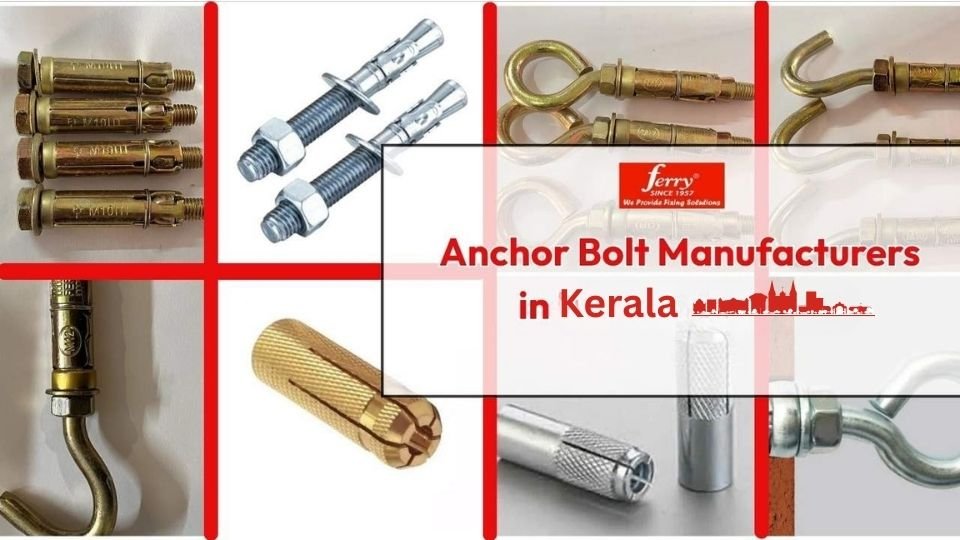
.jpg "Brass Anchor Manufacturers Jamnagar Gujarat")

.jpg "Top Anchor Bolt Manufacturers in India (2026) | Ferry International")


 Bulk Supplier.jpg "Rubber Lined Split Clamp (Cushioned Pipe Clamp) – Bulk Supply")
.jpg "Sprinkler Clamp Manufacturer in Telangana | Project Bulk Supply by Ferry International")
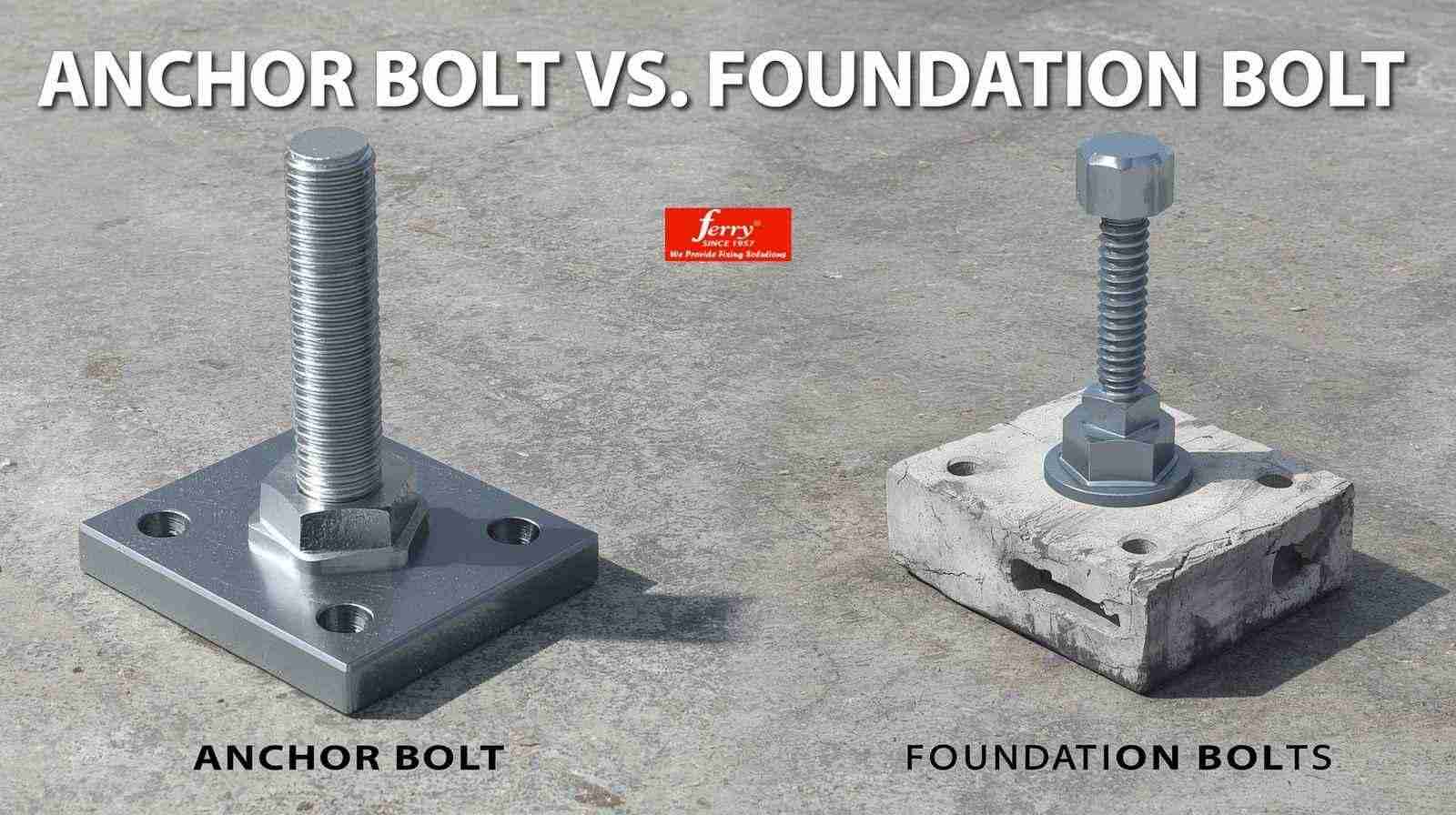
.jpg "Rubber Lined Pipe Clamp")
.jpg "How to Choose Fasteners for Industrial Projects")
.jpg "Bulk Anchor Bolt Supplier for New Berlin,")
.jpg "Anchor Bolts Supplier for Bulk Orders in South Africa")