Have Query ? Reach Out Us!

Have Query ? Reach Out Us!
.jpg "How to Choose Fasteners for Industrial Projects")
22 May , 2026
Choosing the right fasteners for industrial projects is not only about matching size and price. In industrial work, fasteners directly affect installation quality, fixing strength, safety, and long-term performance.
A small wrong selection can create big problems on site. The fastener may not fit properly. It may rust early. It may become loose after installation. It may delay the work because the contractor has to reorder the correct size or finish.
That is why contractors, fabricators, construction companies, machinery installers, fire fighting contractors, solar structure vendors, and purchase teams should check the application properly before placing an order.
This guide explains how to choose the right fasteners for industrial projects, what details buyers should check, and when they should contact a manufacturer for bulk supply or custom requirements.
To choose the right fasteners for industrial projects, first check where the fastener will be used. Then confirm the product type, size, material, finish, base surface, site condition, quantity, and technical requirement.
For bulk or custom orders, share the product name, size, material, finish, quantity, application, drawing or photo if available, and delivery location with the supplier.
Need help choosing the right product for your project? Share your size, material, quantity, and application with Ferry International
 .
.
Fasteners are used to hold, fix, support, or connect different parts of a project. They are used in concrete fixing, pipe support, machinery installation, fabrication work, solar structures, fire fighting systems, industrial sheds, and infrastructure projects.
If the wrong fastener is used, the issue may not appear on the first day. It may appear later when the structure faces load, vibration, weather, moisture, or regular site movement.
Common problems caused by wrong fastener selection include:
For industrial buyers, the right fastener saves time, money, and rework.
_1779441659.jpg)
Different fasteners are made for different applications. One product cannot be used everywhere. The correct choice depends on the site condition and fixing requirement.
| Fastener Type | Common Use | What Buyers Should Check |
|---|---|---|
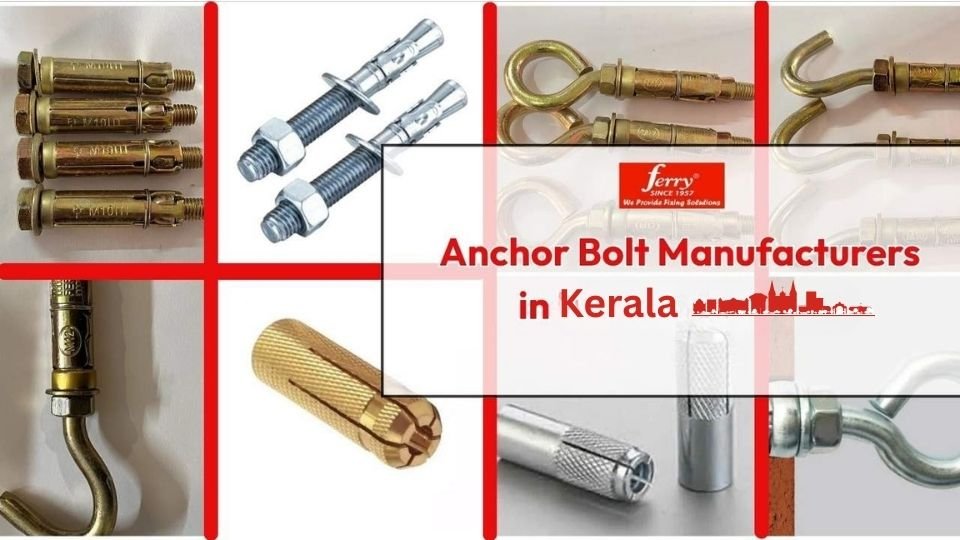
| Anchor bolt | Concrete fixing, structure fixing, machinery base fixing | Diameter, length, thread, material, finish |
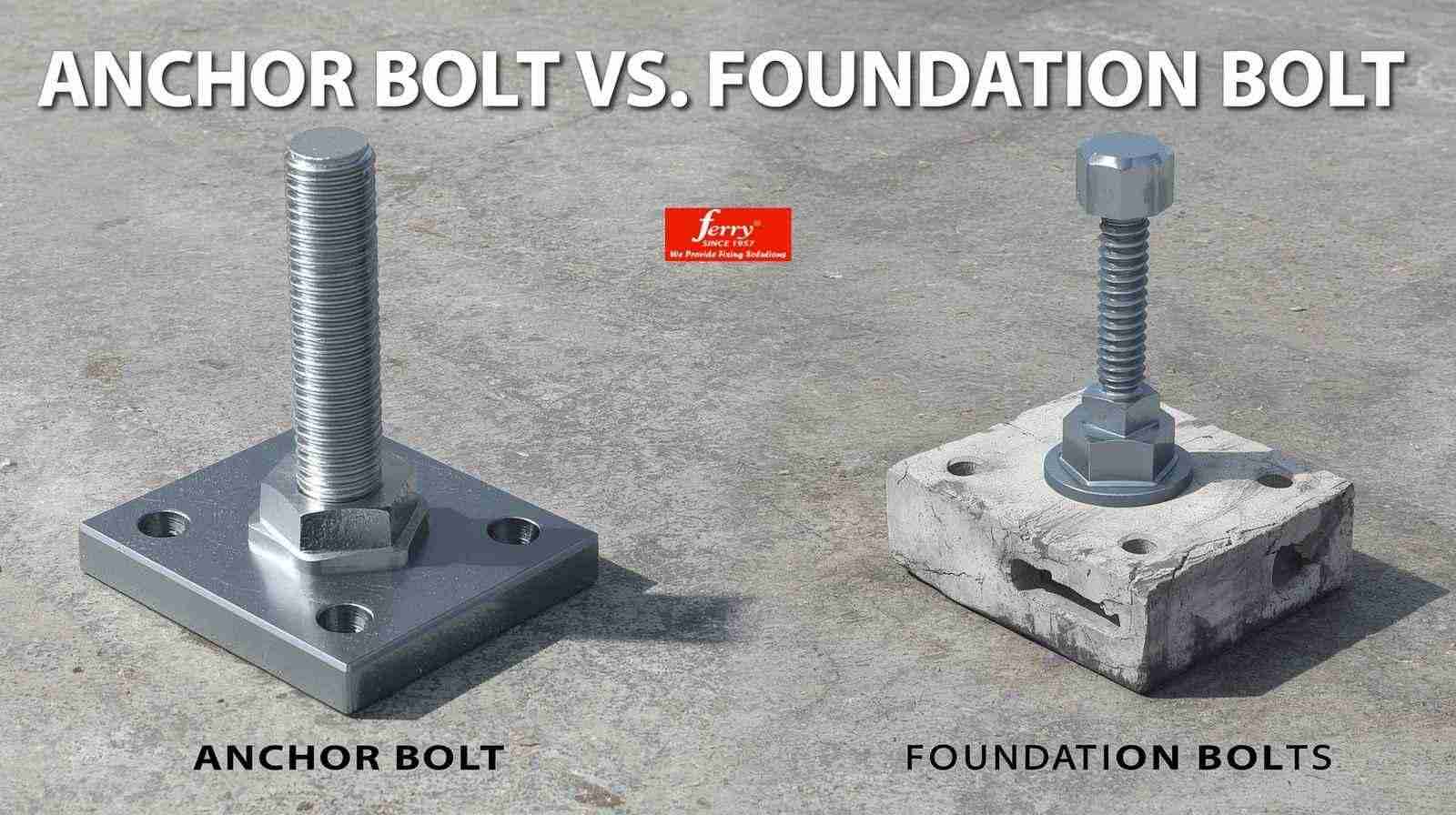
| Foundation bolt | Machinery foundation and base plate fixing | Shape, bend, thread length, drawing |
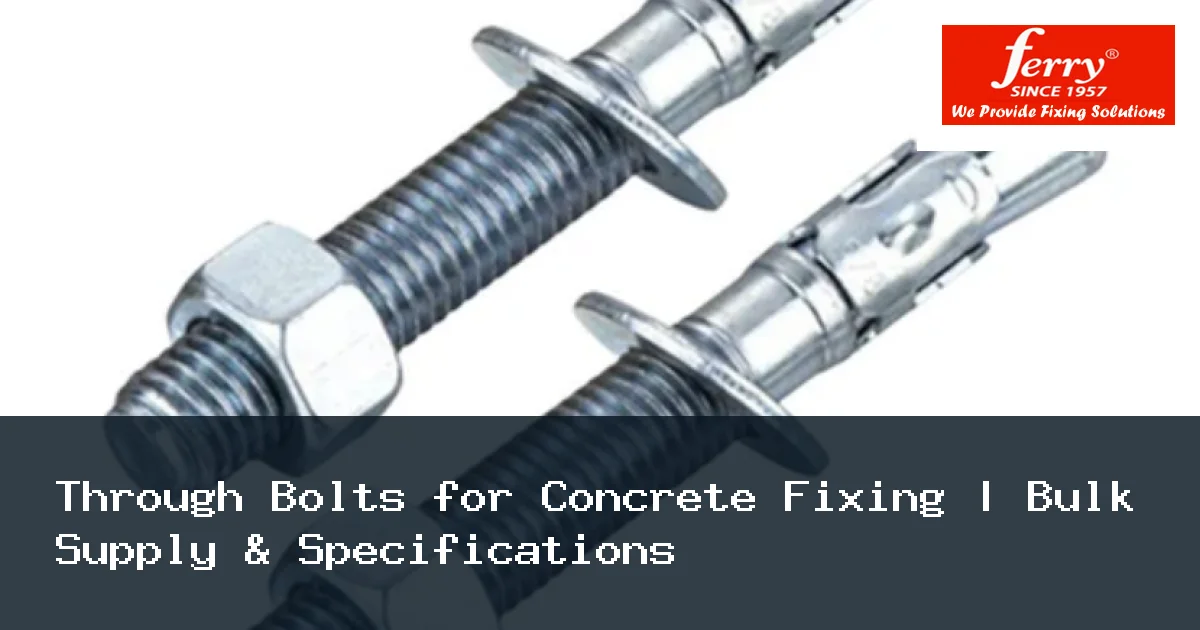
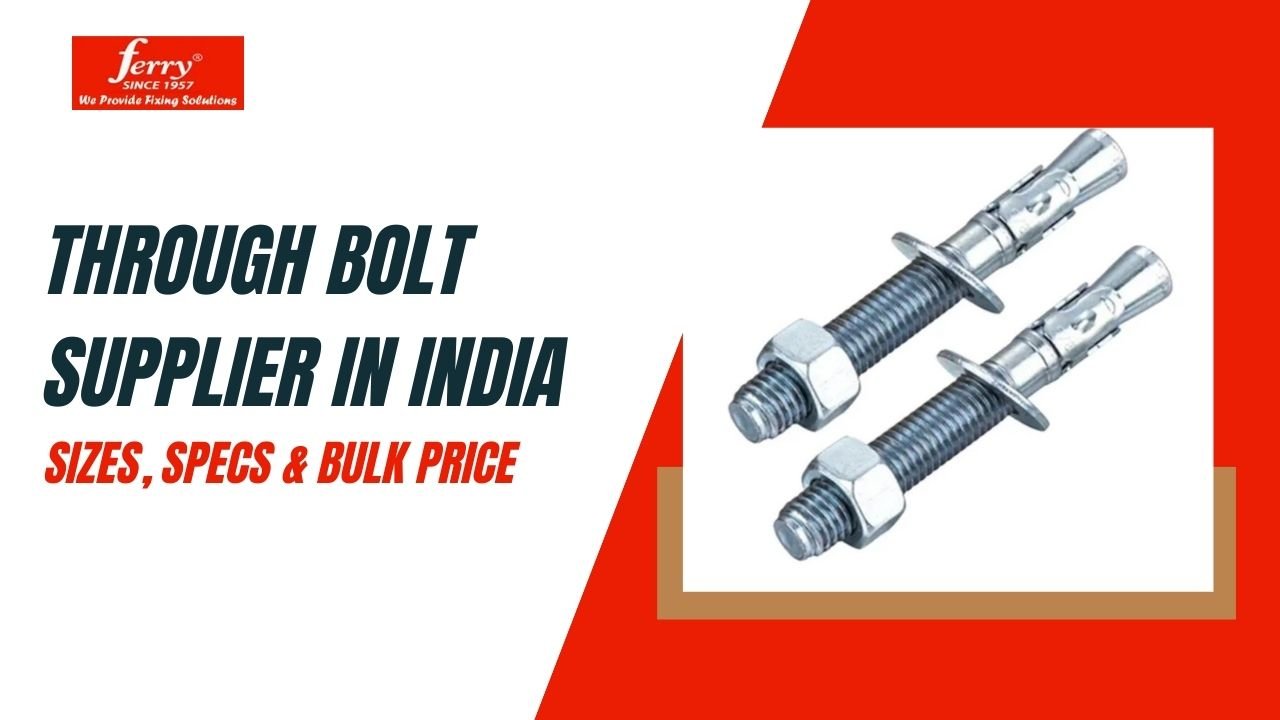
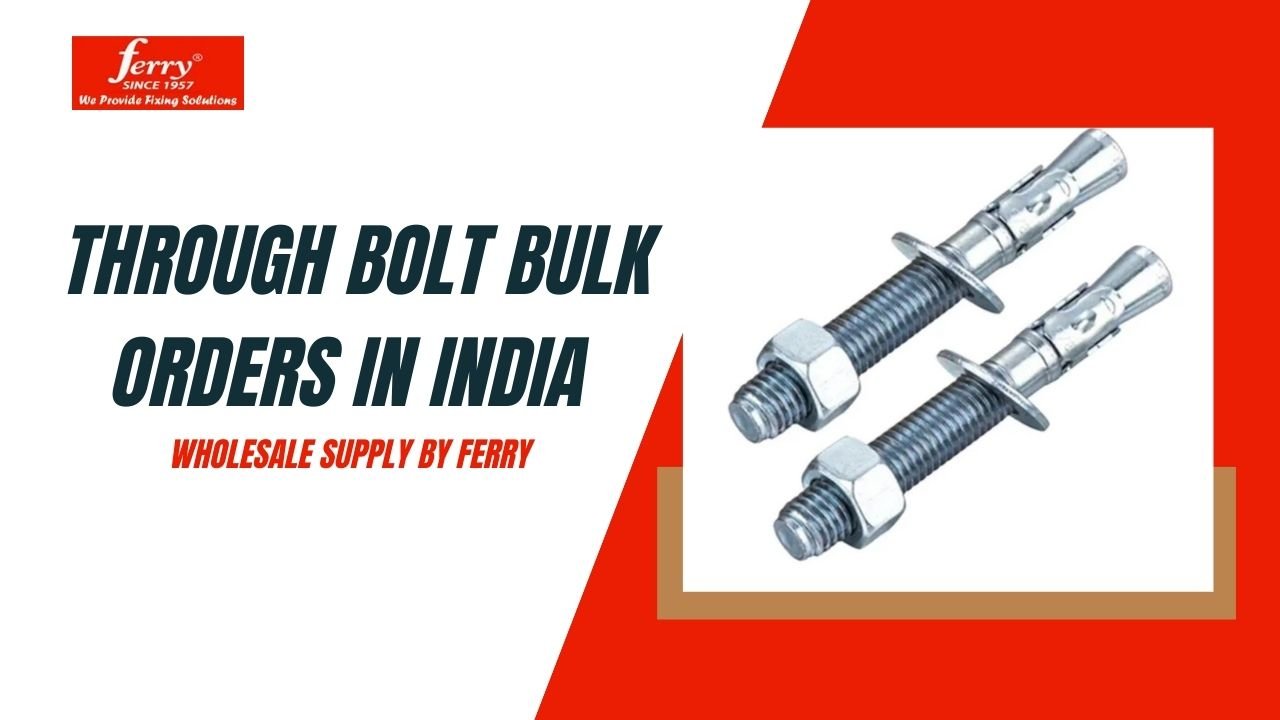
| Through bolt | Concrete and masonry fixing | Drill size, diameter, length, finish |
| Wedge anchors | Heavy-duty concrete fixing | Base material, embedment depth, load condition |
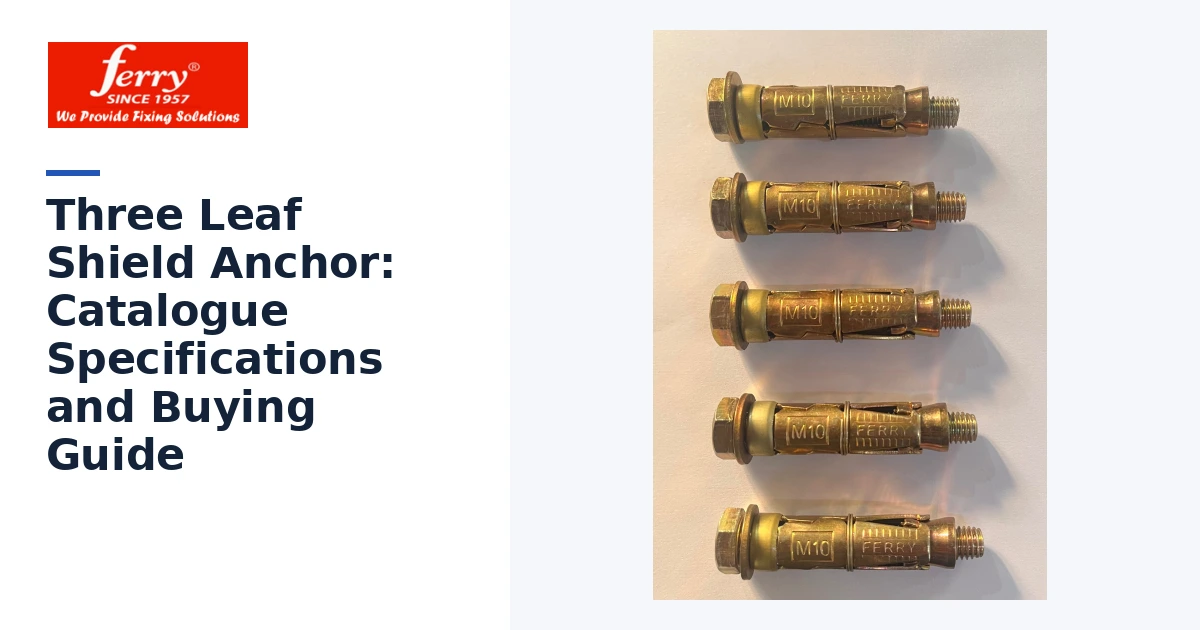
| Shield anchors | Brick, concrete, and masonry fixing | Expansion type, size, base surface |
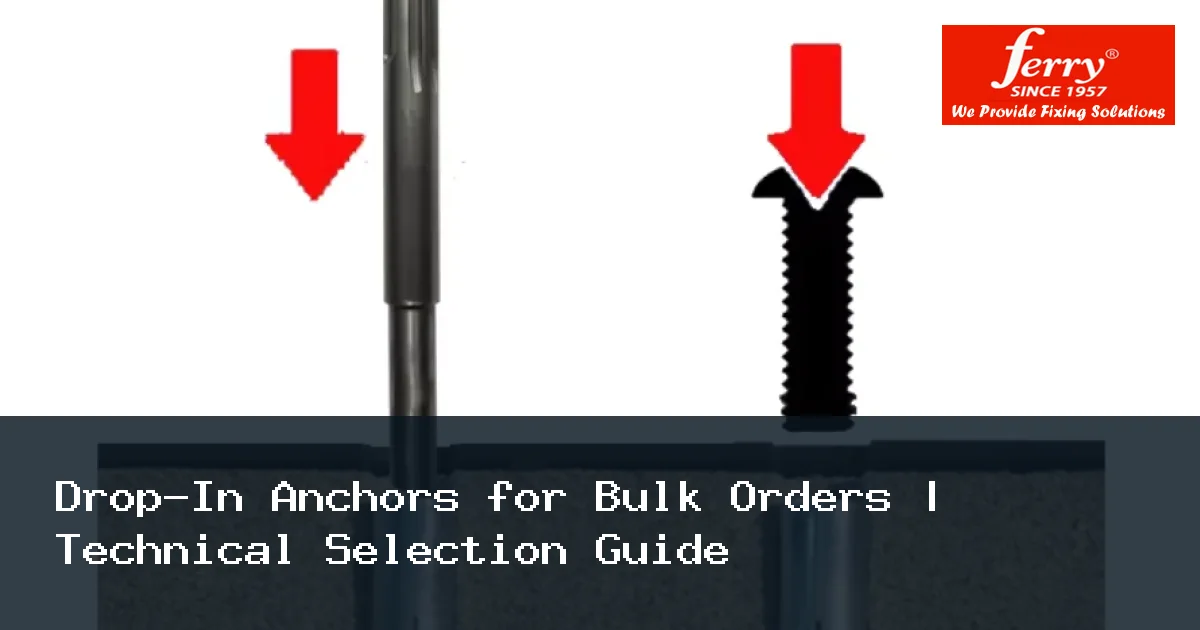
| Drop-in anchor | Flush fixing in concrete | Internal thread size, setting method |
| Brass anchor | Light and medium fixing work | Size, application, corrosion requirement |
| Eye hook anchor | Hanging and suspension work | Eye size, thread, finish, load condition |
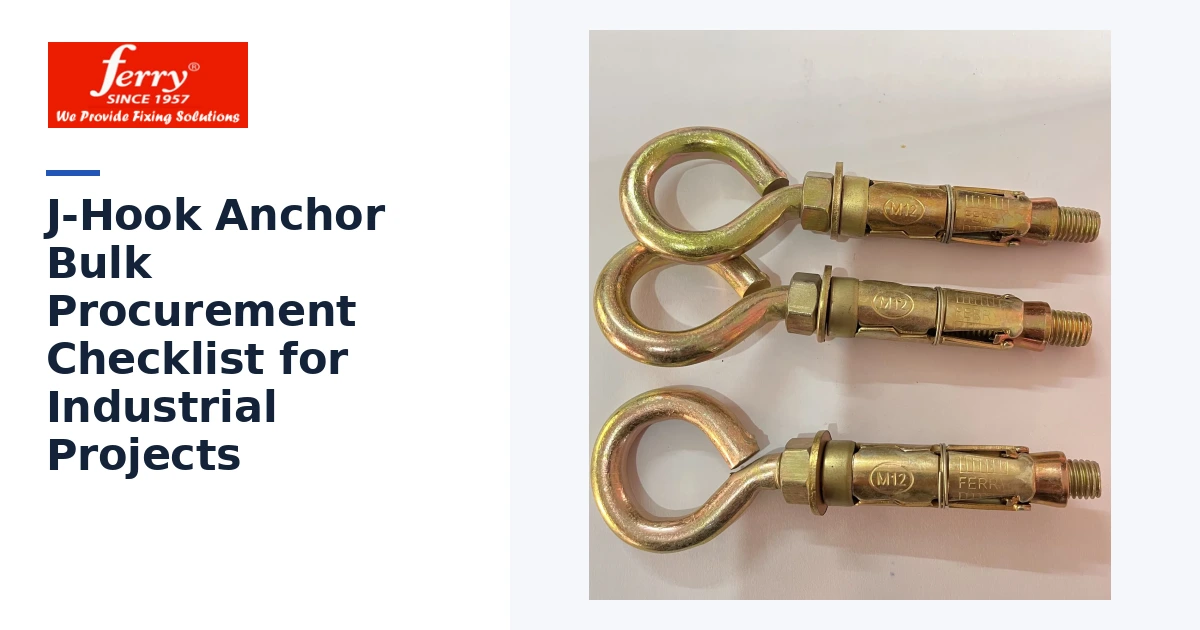
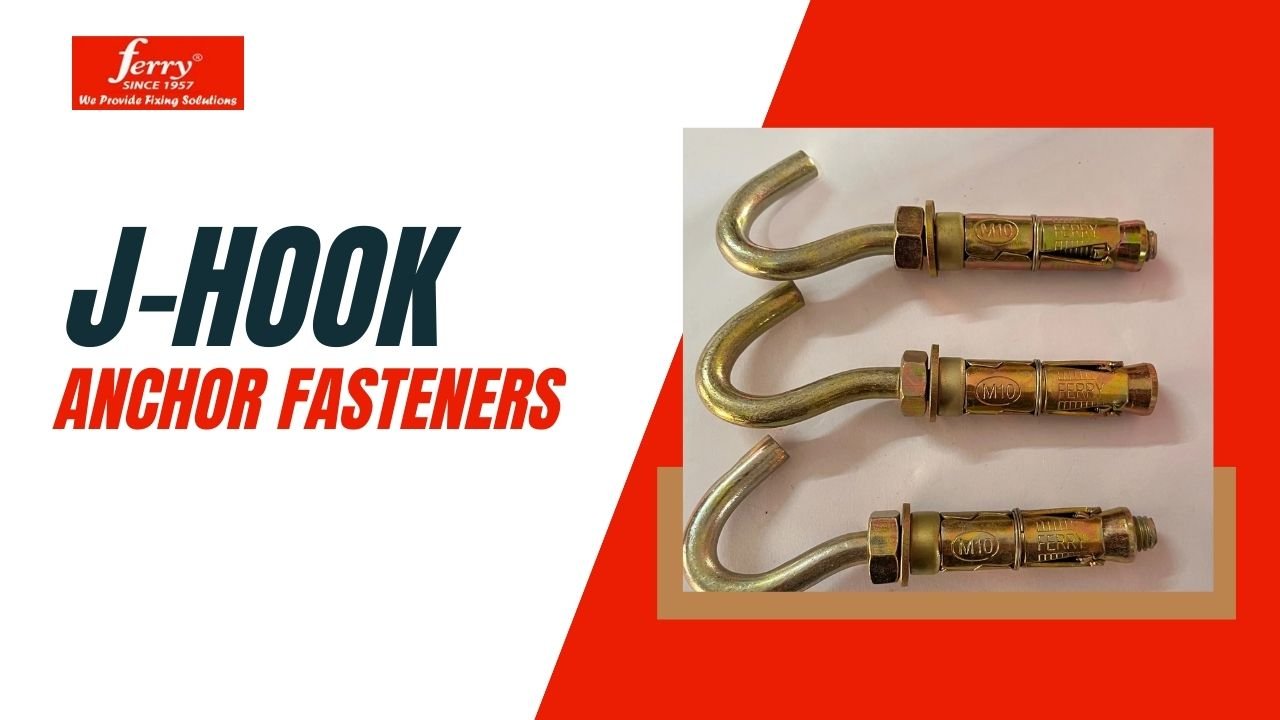
| J hook | Hanging, roofing, and support work | Hook size, thread length, material |
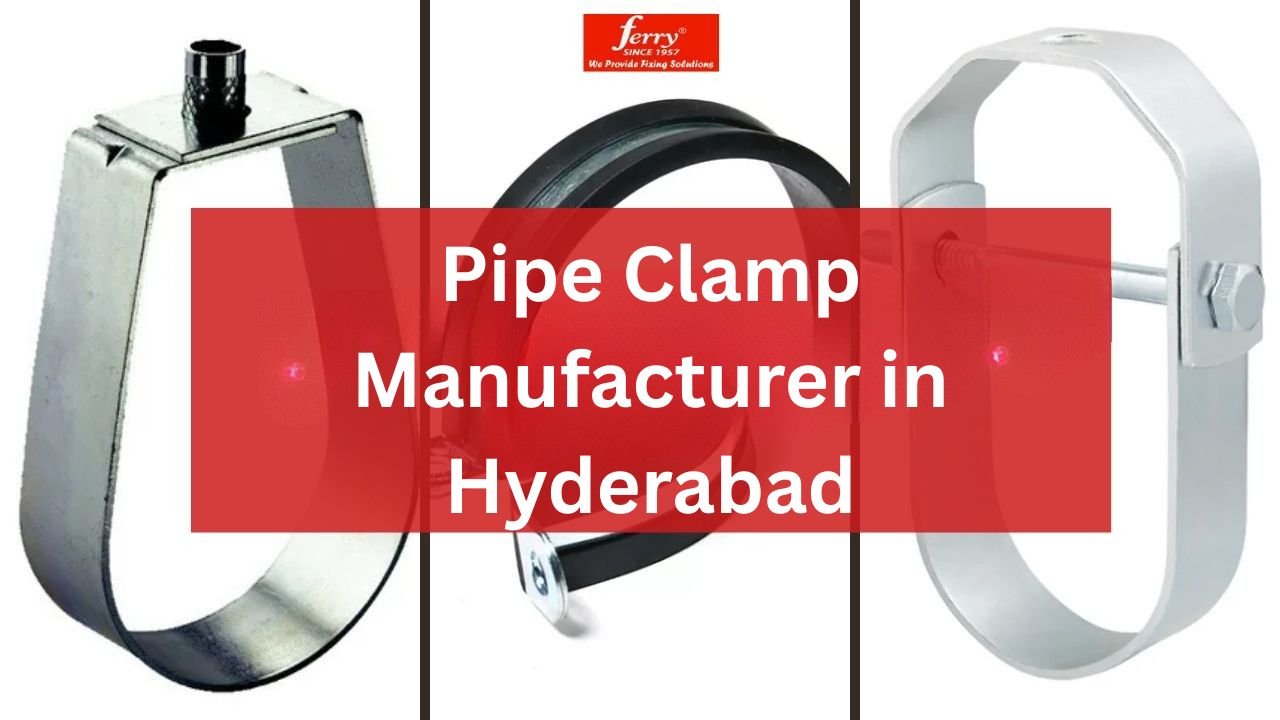
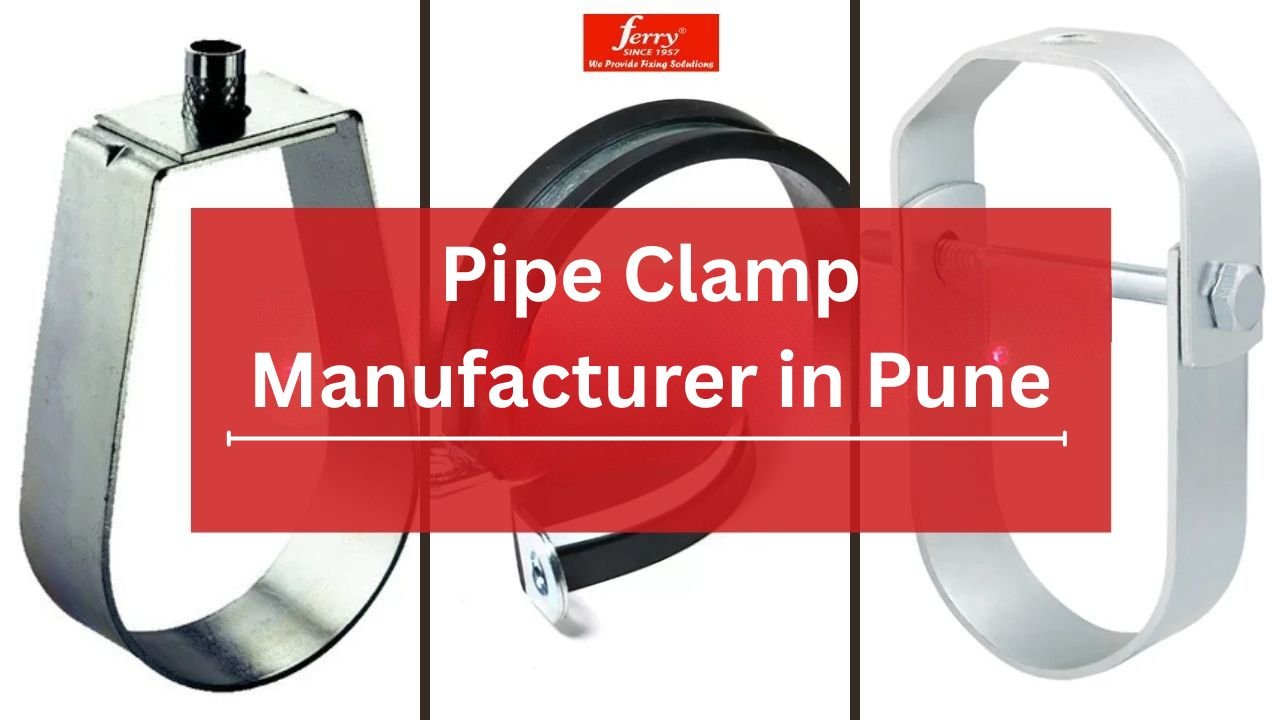
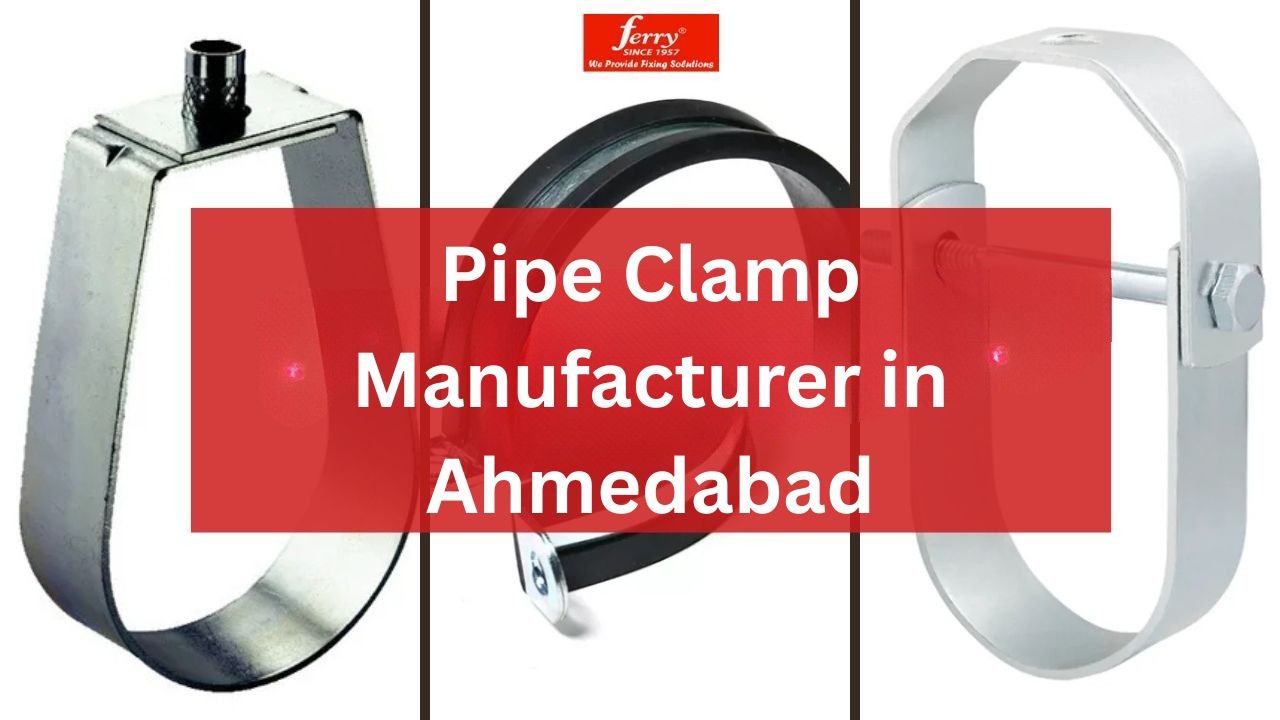
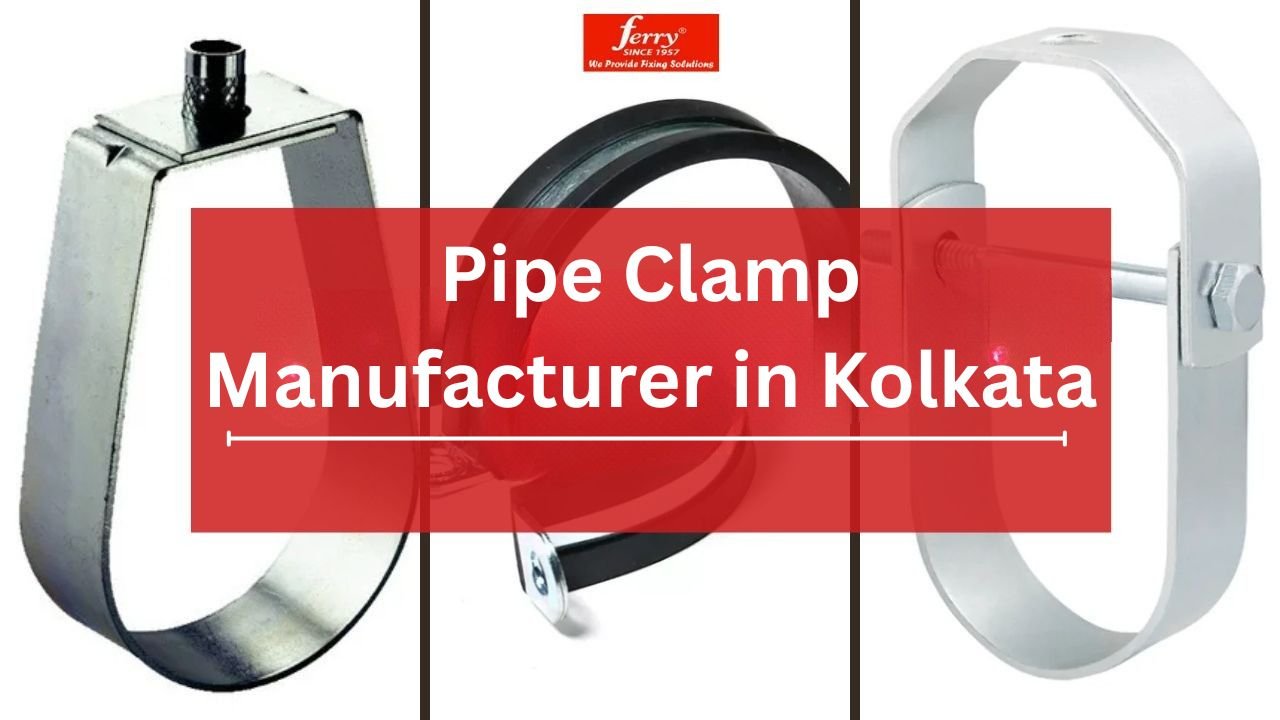
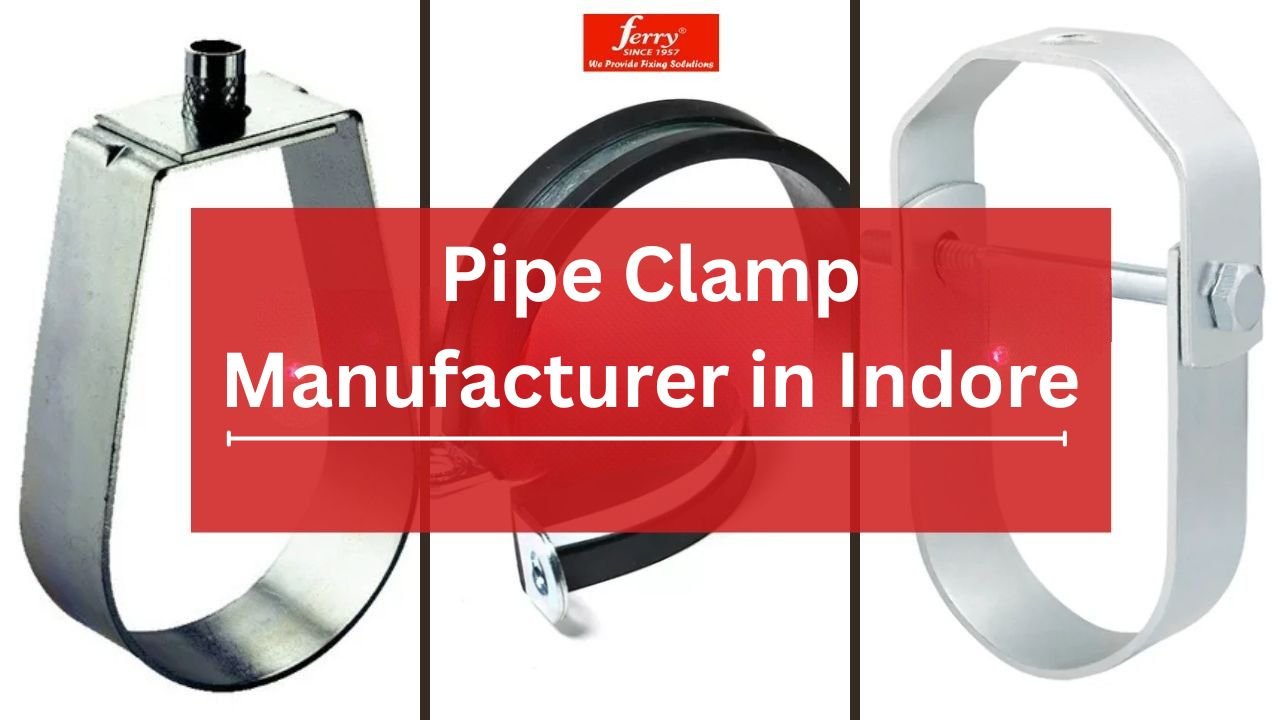
| Pipe clamp | Pipe holding and support | Pipe OD, clamp type, finish |
| U clamp | Pipe, rod, cable, and support fixing | Inner width, rod diameter, thread length |
| Custom fasteners | Special project requirement | Drawing, sample, material, quantity |
This table gives a general direction. Final selection should always depend on actual application, load condition, site environment, and technical specification.
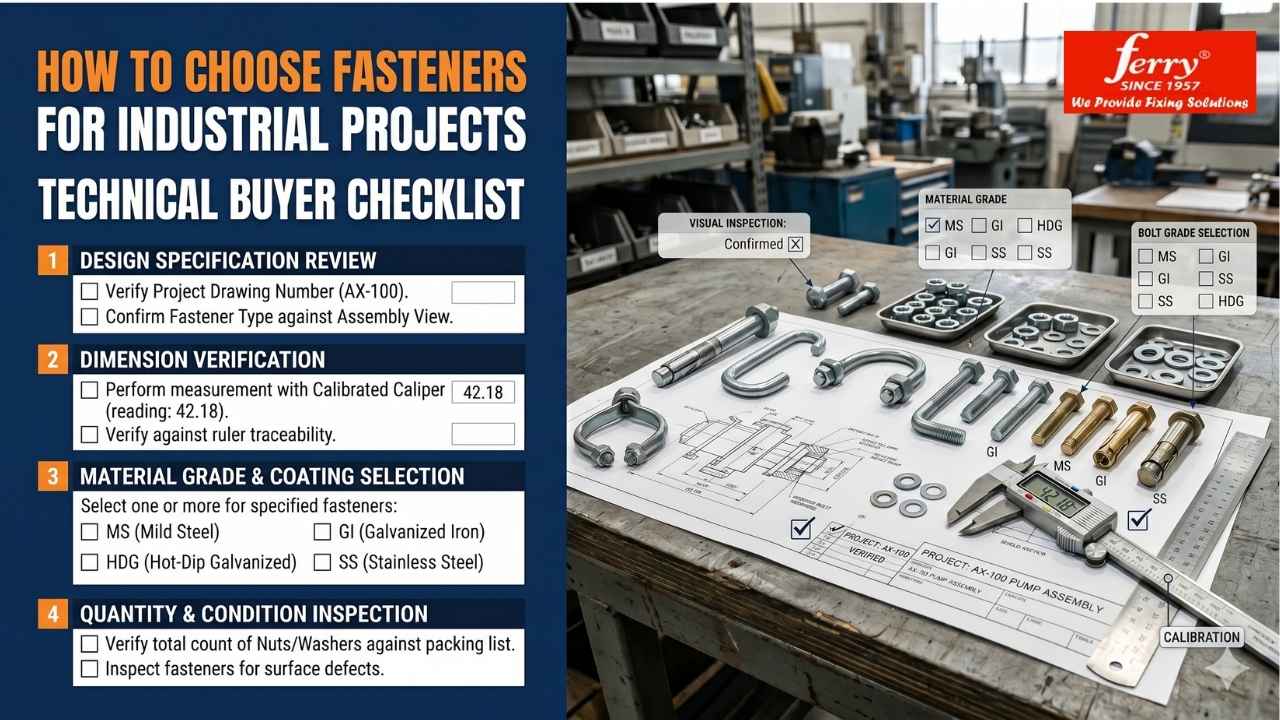
Choosing fasteners for industrial projects becomes easier when buyers follow a step-by-step process.
The main points to check are:
Let’s understand each point in detail.
The first question should be simple:
Where will this fastener be used?
A fastener used for machinery installation will not be the same as a fastener used for pipe support. A fastener used in indoor dry work may not be suitable for outdoor construction. A product used in concrete fixing may not work properly in brick or hollow block.
Common industrial applications include:
When the application is clear, the supplier can suggest a better product type, material, size, and finish.
Fasteners perform differently on different surfaces. The base material plays a major role in product selection.
A through bolt may work well in concrete, but the same product may not be suitable for every masonry or hollow surface. Similarly, an anchor bolt used in RCC work may not be the correct option for light-duty wall fixing.
| Base Material | Common Fastener Options |
|---|---|
| Concrete | Anchor bolt, through bolt, wedge anchor, drop-in anchor |
| Brick masonry | Shield anchors, brass anchors, suitable expansion fasteners |
| RCC foundation | Foundation bolts, anchor bolts |
| Steel structure | Bolts, nuts, washers, custom fasteners |
| Pipe support frame | Pipe clamps, U clamps, threaded rods |
| Fabrication assembly | Custom fasteners, J hooks, clamps |
Before ordering, buyers should confirm whether the fastener is going into concrete, brick, steel, RCC, or another surface.
The correct fastener type depends on what the product has to hold or support.
For example, if the requirement is concrete fixing, products like anchor bolts, through bolts, wedge anchors, or drop-in anchors may be considered. If the requirement is pipe support, pipe clamps and U clamps are more relevant. If the requirement is machinery foundation, foundation bolts are usually required as per drawing.
| Requirement | Suitable Product Direction |
|---|---|
| Heavy machinery fixing | Foundation bolts or anchor bolts |
| Concrete fixing | Through bolts, wedge anchors, anchor bolts |
| Pipe support work | Pipe clamps or U clamps |
| Hanging or suspension work | Eye hook anchor or J hook |
| Masonry fixing | Shield anchors or brass anchors |
| Outdoor structure | GI, HDG, or SS fasteners |
| Special fabrication work | Custom fasteners as per drawing/sample |
Do not select a product only because it looks similar. In industrial projects, small differences in design, thread, length, finish, and material can affect the final result.
Material affects strength, life, corrosion resistance, and cost. Industrial buyers should choose material based on application and site condition.
Common material options include MS, GI, HDG, SS, and brass.
| Material | Common Use | Practical Note |
|---|---|---|
| MS | General industrial use | Suitable for many standard indoor applications |
| GI | Zinc-coated requirement | Gives basic corrosion protection |
| HDG | Outdoor and heavy-duty use | Better for weather-exposed and rough site conditions |
| SS | Corrosion-sensitive areas | Suitable for coastal, chemical, hygienic, or moisture-heavy areas |
| Brass | Light and medium fixing | Common in electrical, sanitary, and light fixing work |
The cheapest material is not always the best choice. If the site is outdoor or exposed to moisture, the buyer should take corrosion protection seriously.
Finish is not only for appearance. It protects the fastener from rust and improves product life.
Common finish options include:
For indoor dry applications, a standard finish may be enough in many cases. But for outdoor work, open structures, industrial plants, fire fighting lines, and solar projects, the finish should be selected carefully.
If the fastener will be exposed to rain, dust, chemicals, or moisture, buyers should confirm the suitable finish before placing a bulk order.
Wrong size is one of the most common reasons for installation delays.
Before ordering, buyers should confirm:
For example, if you are buying an anchor bolt, you may need to confirm diameter, length, thread length, nut, washer, and finish.
If you are buying a pipe clamp, the pipe outer diameter and clamp type are important.
If you are buying a foundation bolt, the drawing, bend, thread length, and total length must be clear.
Load capacity should never be guessed.
Many buyers ask, “How much load can this fastener take?” But the answer depends on product type, size, material, base surface, installation method, torque, embedment depth, and site condition.
Load may also be affected by:
For anchor bolts, wedge anchors, through bolts, and similar fixing products, buyers should confirm product-specific data where load is critical.
If the project has safety or structural importance, final approval should come from the project engineer, technical drawing, or approved specification.
A fastener used in a dry indoor area may not be suitable for outdoor use.
Outdoor sites face moisture, dust, sunlight, rain, pollution, and temperature changes. Industrial plants may also have chemicals, vibration, or heavy movement.
| Site Condition | Product Direction |
|---|---|
| Indoor dry area | MS or zinc-plated fasteners |
| Outdoor construction site | GI or HDG fasteners |
| Solar structure | HDG fasteners, foundation bolts, clamps |
| Coastal or chemical area | SS fasteners may be required |
| Fire fighting pipe support | GI/HDG pipe clamps and U clamps |
| Machinery foundation | Foundation bolts as per drawing |
Final selection depends on site condition, expected product life, and project requirement.
Many industrial projects require standard fasteners. But some projects need custom sizes, special bends, longer thread, special coating, or fabrication-based parts.
Custom fasteners may be needed for:
For custom products, buyers should always share a drawing, photo, sample, size, material, finish, quantity, and application.
This helps the manufacturer understand the requirement properly and give a better quotation.
Different industries need different types of fasteners.
| Industry / Buyer Type | Common Requirement |
|---|---|
| Construction companies | Anchor bolts, through bolts, wedge anchors, foundation bolts |
| Fabricators | Custom fasteners, J hooks, U clamps, clamps |
| Fire fighting contractors | Pipe clamps, U clamps, support fasteners |
| Solar structure vendors | HDG fasteners, foundation bolts, clamps |
| Machinery installers | Foundation bolts, anchor bolts, heavy-duty fixing |
| Infrastructure buyers | Bulk fasteners, custom sizes, galvanized products |
| Industrial plants | SS, GI, HDG fasteners based on environment |
| HVAC and plumbing contractors | Pipe clamps, U clamps, threaded support items |
This is why buyers should share the industry and application along with the product list. It helps the supplier understand the actual use case.
Before sending an enquiry, keep the required details ready. This saves time and reduces wrong supply.
| Detail | What to Share |
|---|---|
| Product name | Anchor bolt, through bolt, pipe clamp, U clamp, etc. |
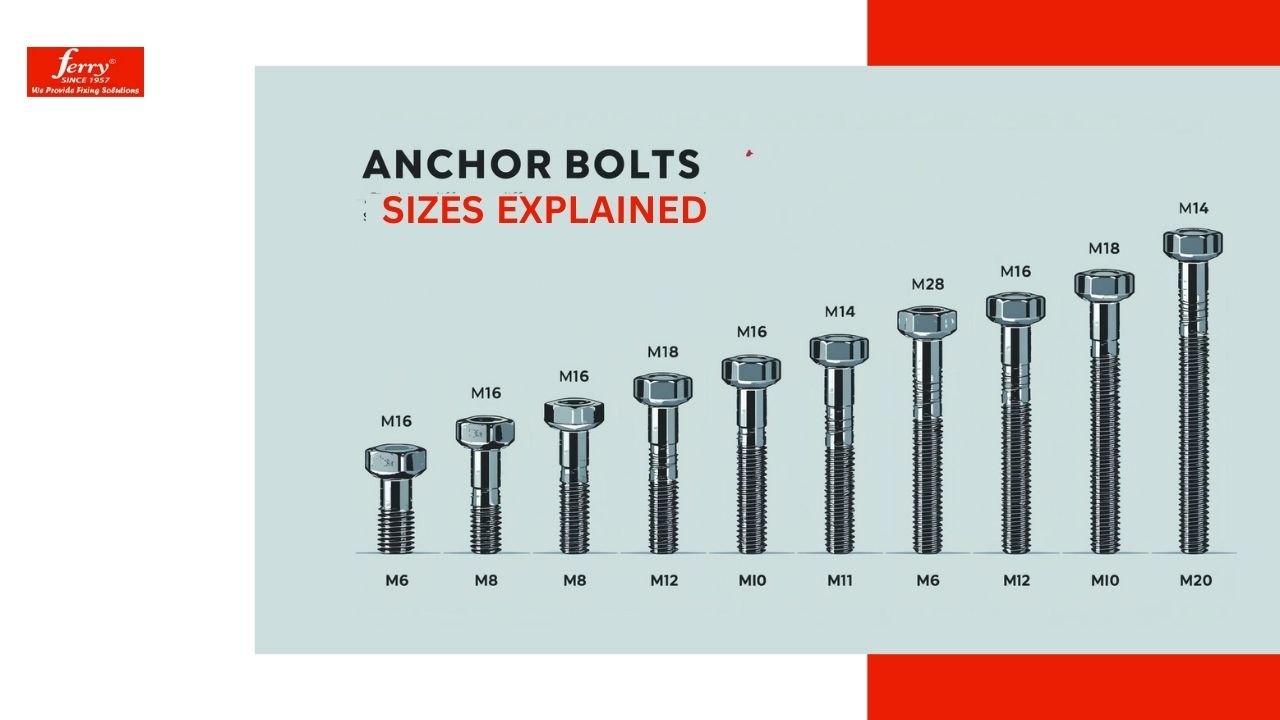
| Size | M8, M10, M12, M16, M20, or custom size |
| Length | Total length in mm |
| Thread length | Full thread or partial thread |
| Material | MS, GI, HDG, SS, brass |
| Finish | Zinc plated, galvanized, HDG, etc. |
| Quantity | 100 pcs, 500 pcs, 1000 pcs, or bulk order |
| Application | Machinery fixing, pipe support, concrete fixing, etc. |
| Base material | Concrete, brick, steel, RCC, etc. |
| Drawing/photo/sample | Required for custom products |
| Delivery location | City, state, or project site |
For faster quotation, send product size, material, finish, quantity, drawing/photo if available, and delivery location.
Low price may look attractive, but it can lead to poor fitting, early rusting, weak performance, or repeat ordering.
Buyers should compare size accuracy, material, finish, thread quality, and application suitability before finalizing.
A supplier cannot suggest the correct product if the application is not clear.
“Need anchor bolt” is not enough.
A better enquiry is:
“We need anchor bolts for concrete fixing in an industrial shed. Required size is M16 x 150 mm, GI finish, quantity 1000 pcs.”
This gives the supplier more useful information.
Finish affects product life. For outdoor and moisture-heavy use, finish is very important.
Do not use indoor-type fasteners for outdoor sites without checking corrosion protection.
All anchor bolts, wedge anchors, and through bolts do not have the same load capacity.
Load depends on product specification, size, material, base surface, installation depth, and site condition.
For important applications, confirm technical details before placing the order.
For pipe clamps and U clamps, pipe outer diameter is important.
If the pipe size is not checked properly, the clamp may not fit during installation.
For foundation bolts, J hooks, U clamps, and custom fasteners, a drawing or sample helps avoid mistakes.
Without proper dimensions, the final product may not match the site requirement.
Bulk price and delivery planning depend on quantity and location.
Always share quantity and delivery location in the first enquiry to get a faster response.
You should contact a manufacturer when the requirement is technical, bulk, custom, or project-based.
A manufacturer can help when:
For industrial projects, direct communication with the manufacturer helps reduce confusion and wrong ordering.
Ferry International supplies industrial fasteners and metal fixing products for construction, fabrication, machinery installation, pipe support, and bulk industrial use.
The product range includes:
Ferry International works with practical buyer requirements like size, material, finish, quantity, drawing, photo, sample, and delivery location.
For bulk or custom requirements, buyers can share their requirement list and get suitable product options based on application.
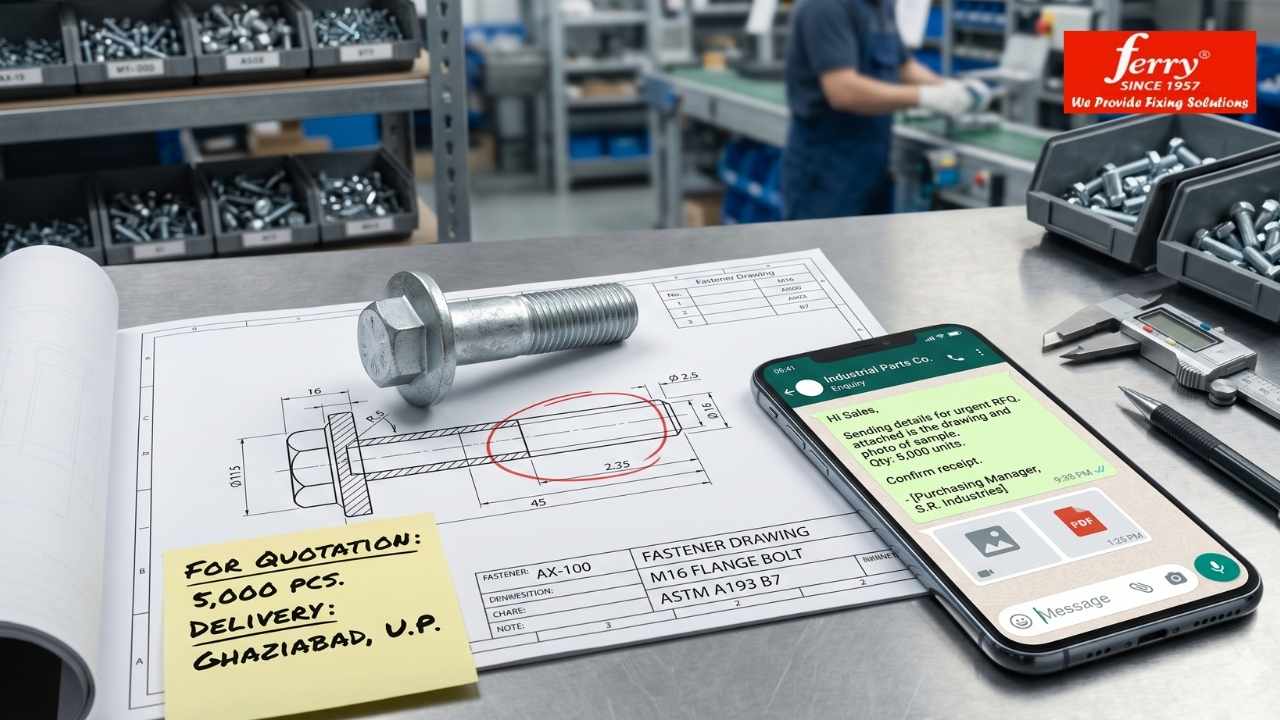
To get a faster and more accurate quotation, send complete details in one message.
You can share:
Example enquiry:
“We need M16 anchor bolts, 150 mm length, GI finish, quantity 1000 pcs, for concrete fixing at an industrial project site in Delhi NCR. Please share bulk price and delivery time.”
This type of enquiry helps the supplier respond faster and reduces back-and-forth communication.
Choosing the right fasteners for industrial projects depends on application, base material, size, material, finish, quantity, site condition, and technical requirement.
A wrong fastener can cause installation problems, corrosion, project delay, and extra cost. A correct fastener helps improve fitting, stability, and long-term performance.
For standard products, basic size and quantity may be enough. But for anchor bolts, foundation bolts, through bolts, pipe clamps, U clamps, J hooks, eye hook anchors, and custom fasteners, buyers should share complete technical details before ordering.
Looking for bulk supply or custom fasteners and clamps? Contact Ferry International with your requirement list.
To choose fasteners for industrial projects, check the application, base material, size, material, finish, load condition, site environment, and quantity. For custom or bulk orders, share complete details with the manufacturer.
Common industrial fasteners include anchor bolts, foundation bolts, through bolts, wedge anchors, shield anchors, brass anchors, drop-in anchors, eye hook anchors, J hooks, pipe clamps, U clamps, nuts, washers, and custom fasteners.
An anchor bolt is commonly used for fixing structures, machinery, or base plates to concrete. A through bolt is an expansion fastener used for concrete and masonry fixing. Final selection depends on base material, size, load, and installation requirement.
GI, HDG, and SS fasteners are commonly used for outdoor applications. HDG is often preferred for rough outdoor and weather-exposed conditions, while SS is suitable for corrosion-sensitive environments.
Yes. Many industrial fasteners such as foundation bolts, J hooks, U clamps, pipe clamps, anchor bolts, and special fasteners can be manufactured as per drawing, sample, photo, or project requirement.
Send the product name, size, material, finish, quantity, application, drawing/photo/sample if available, and delivery location. These details help the supplier provide a faster and more accurate quotation.
No. Load capacity depends on fastener type, size, material, base surface, installation depth, torque, and site condition. Buyers should confirm product-specific load details with the manufacturer or project engineer.
Pipe clamps and U clamps are commonly used for pipe support. The right product depends on pipe outer diameter, support structure, material, finish, load condition, and installation location.
HDG fasteners are commonly preferred for outdoor, weather-exposed, and rough industrial environments where better corrosion protection is required. Final selection should depend on project specification and site condition.
Yes. Ferry International supplies anchor bolts, foundation bolts, through bolts, pipe clamps, U clamps, J hooks, shield anchors, wedge anchors, brass anchors, drop-in anchors, and custom fasteners for bulk and project requirements.
Recent Post
Ferry International — bulk anchor bolt manufacturer from Ghaziabad, U.P., since 1957. We produce ASTM & IS-compliant Shield Anchors, Through Bolts, Drop-in Anchors, J-Hook Anchors, Eye Hook Anchors, Brass Anchors, and pipe clamps for construction, oil & gas, power, marine, solar, and infrastructure. Bulk RFQs only. ISO 9001:2015 | ZED Bronze | UDYAM Registered.
Follow Us
Important Links
Our Services
Contact Us

.jpg "Anchor Bolt Manufacturers in Haridwar")


.jpg "Brass Anchor Manufacturers Jamnagar Gujarat")

.jpg "Top Anchor Bolt Manufacturers in India (2026) | Ferry International")


.jpg "Drop-In Anchors for Concrete Fixing")
 Bulk Supplier.jpg "Rubber Lined Split Clamp (Cushioned Pipe Clamp) – Bulk Supply")
.jpg "Sprinkler Clamp Manufacturer in Telangana | Project Bulk Supply by Ferry International")
.jpg "Rubber Lined Pipe Clamp")
.jpg "Bulk Anchor Bolt Supplier for New Berlin,")
.jpg "Anchor Bolts Supplier for Bulk Orders in South Africa")