Have Query ? Reach Out Us!

Have Query ? Reach Out Us!
20 Feb , 2026
When selecting anchor bolts for industrial, HVAC, fire-fighting, or structural projects, load capacity is the most critical factor. Many failures happen not because of poor material — but because the wrong bolt size or incorrect load assumption was used.
In this guide, you’ll find:
This article is written for MEP contractors, civil engineers, fire system installers, and industrial buyers who need practical, real-world values.
Anchor bolt load capacity means how much force a bolt can safely carry after being fixed into concrete.
There are two main types of loads:
This is the vertical force trying to pull the bolt straight out of concrete.
Examples:
If pull-out strength is exceeded, the bolt comes out completely.
This is the horizontal force acting sideways on the bolt.
Examples:
Both values are equally important while designing any anchor system.
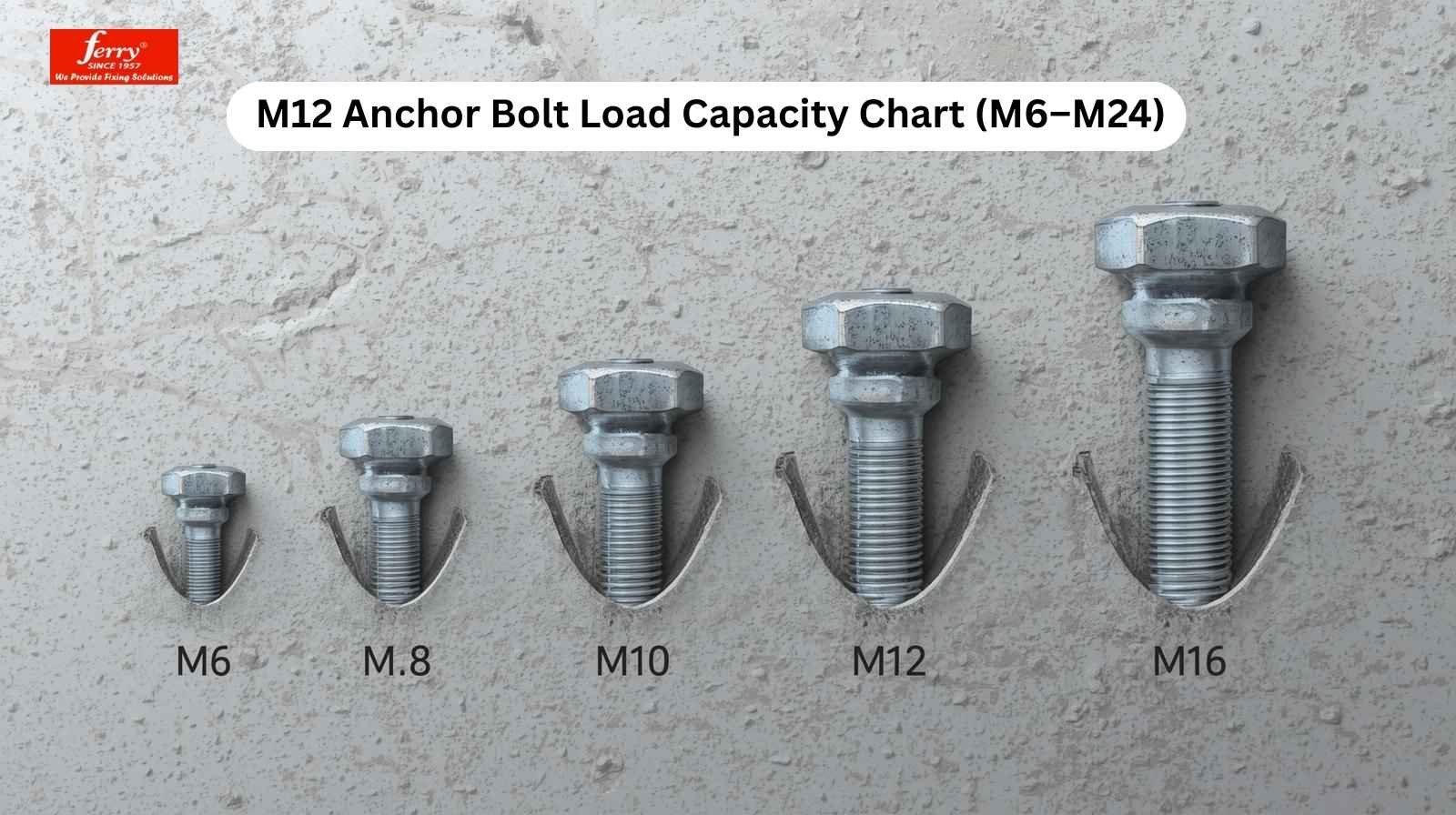
Below are approximate working load values for mechanical anchor bolts installed in non-cracked concrete with proper embedment and torque.
⚠️ These values are **indicative only and must not be used for structural design.** They are approximate safe working loads (not ultimate failure loads) and vary with product type, embedment depth, edge distance, and installation quality. For design, always use Ferry International's tested datasheet for the specific anchor and confirm with a qualified structural engineer.
.
| Bolt Size | Pull-Out Strength (kN) | Shear Strength (kN) |
|---|---|---|
| M6 | 2.0 | 1.5 |
| M8 | 3.5 | 2.8 |
| M10 | 5.5 | 4.2 |
| M12 | 8.0 | 6.5 |
| M16 | 14.0 | 11.0 |
| Bolt Size | Pull-Out Strength (kN) | Shear Strength (kN) |
|---|---|---|
| M6 | 2.4 | 1.8 |
| M8 | 4.2 | 3.3 |
| M10 | 6.5 | 5.0 |
| M12 | 9.5 | 7.8 |
| M16 | 17.0 | 13.5 |
| Bolt Size | Pull-Out Strength (kN) | Shear Strength (kN) |
|---|---|---|
| M6 | 2.8 | 2.1 |
| M8 | 4.8 | 3.8 |
| M10 | 7.5 | 5.8 |
| M12 | 11.0 | 9.0 |
| M16 | 20.0 | 16.0 |
“M12 anchor bolt load capacity” is one of the highest searched keywords — because M12 is widely used in:
| Concrete Grade | Pull-Out | Shear |
|---|---|---|
| M20 | ~8 kN | ~6.5 kN |
| M25 | ~9.5 kN | ~7.8 kN |
| M30 | ~11 kN | ~9 kN |
In simple terms:
As an indicative figure only, one properly installed M12 anchor bolt in M25 concrete may hold roughly 950–1000 kg in tension (vertical). Confirm the exact rated value from the product datasheet before designing.
Embedment depth means how deep the bolt goes inside concrete. Deeper embedment = higher holding power.
| Bolt Size | Minimum Embedment |
|---|---|
| M6 | 40 mm |
| M8 | 50 mm |
| M10 | 70 mm |
| M12 | 90 mm |
| M16 | 110 mm |
Never reduce embedment to save drilling time — it directly reduces load capacity.
Even the best anchor bolt will fail if these are ignored:
Stronger concrete = higher load capacity.
Oversized holes reduce grip dramatically.
Drilling dust must be blown out before installation.
Under-tightening = low expansion
Over-tightening = bolt damage
Always follow torque guidelines.
Bolts installed too close to concrete edges lose strength.
Cracked concrete has lower capacity than non-cracked concrete.
Fast installation
Medium load capacity
Used for HVAC, pipe supports, racks
Slower installation
Very high load capacity
Used for heavy machinery, structural steel, seismic zones
For higher loads, use a larger-diameter anchor with deeper embedment, or contact Ferry's technical team for the right solution.
These mistakes cause most failures:
❌ Hole not cleaned
❌ Wrong drill size
❌ Insufficient embedment
❌ Torque not applied
❌ Bolt installed near slab edge
❌ Load applied before full setting
Avoiding these increases safety and project life.
Anchor bolts are used across industries:
Each application requires different bolt size and capacity.
In M25 concrete, an M10 anchor may hold roughly 650 kg vertically as an indicative figure — confirm the rated value from the datasheet before relying on it.
For light to medium machines — yes.
For heavy vibrating equipment — larger-diameter (M16+) anchors with proper embedment are recommended
Yes. Increased embedment directly improves pull-out capacity.
No. Once removed, mechanical anchors should never be reused.
Anchor bolt load capacity is not something to guess.
Always consider:
✔ Bolt diameter
✔ Concrete grade
✔ Embedment depth
✔ Installation method
✔ Type of load (shear or pull)
Choosing the right anchor bolt prevents structural failure, protects equipment, and improves long-term safety.
If you’re unsure about sizing, it’s always better to consult technical support instead of under-designing.
Contact us for technical guidance on:
Recent Post
Ferry International — bulk anchor bolt manufacturer from Ghaziabad, U.P., since 1957. We produce ASTM & IS-compliant Shield Anchors, Through Bolts, Drop-in Anchors, J-Hook Anchors, Eye Hook Anchors, Brass Anchors, and pipe clamps for construction, oil & gas, power, marine, solar, and infrastructure. Bulk RFQs only. ISO 9001:2015 | ZED Bronze | UDYAM Registered.
Follow Us
Important Links
Our Services
Contact Us

.jpg "Anchor Bolt Manufacturers in Haridwar")


.jpg "Brass Anchor Manufacturers Jamnagar Gujarat")

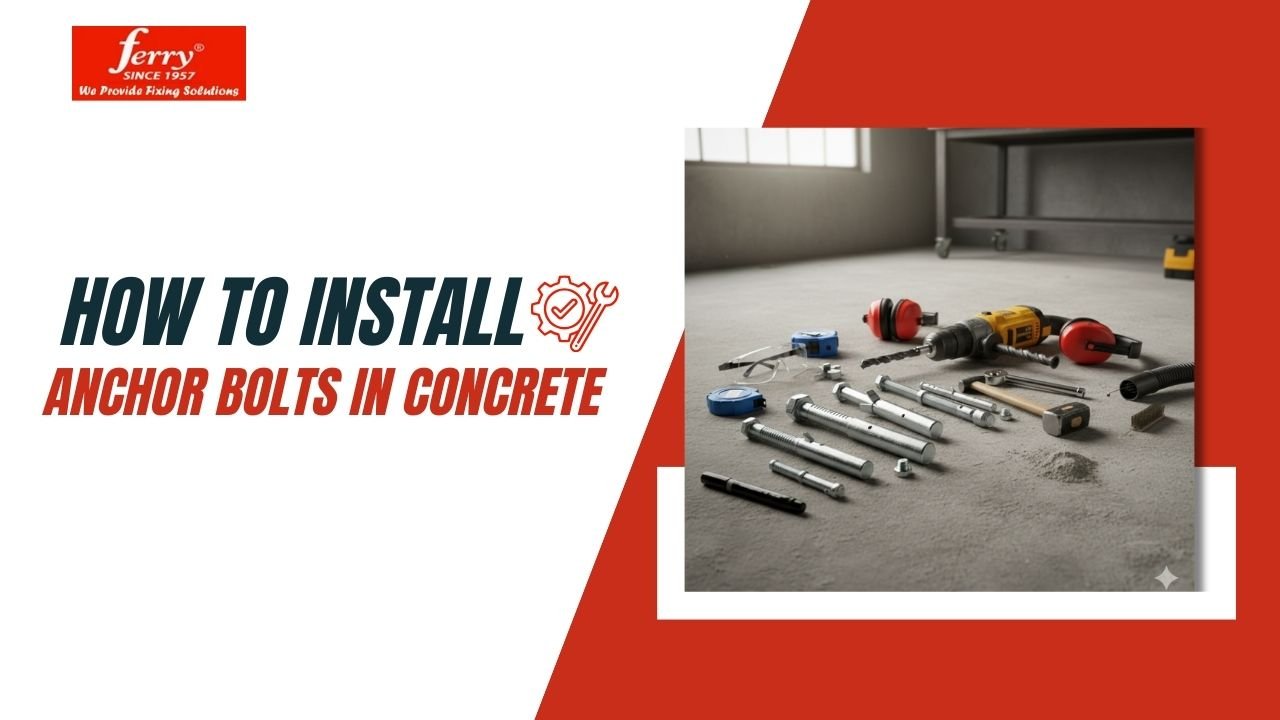
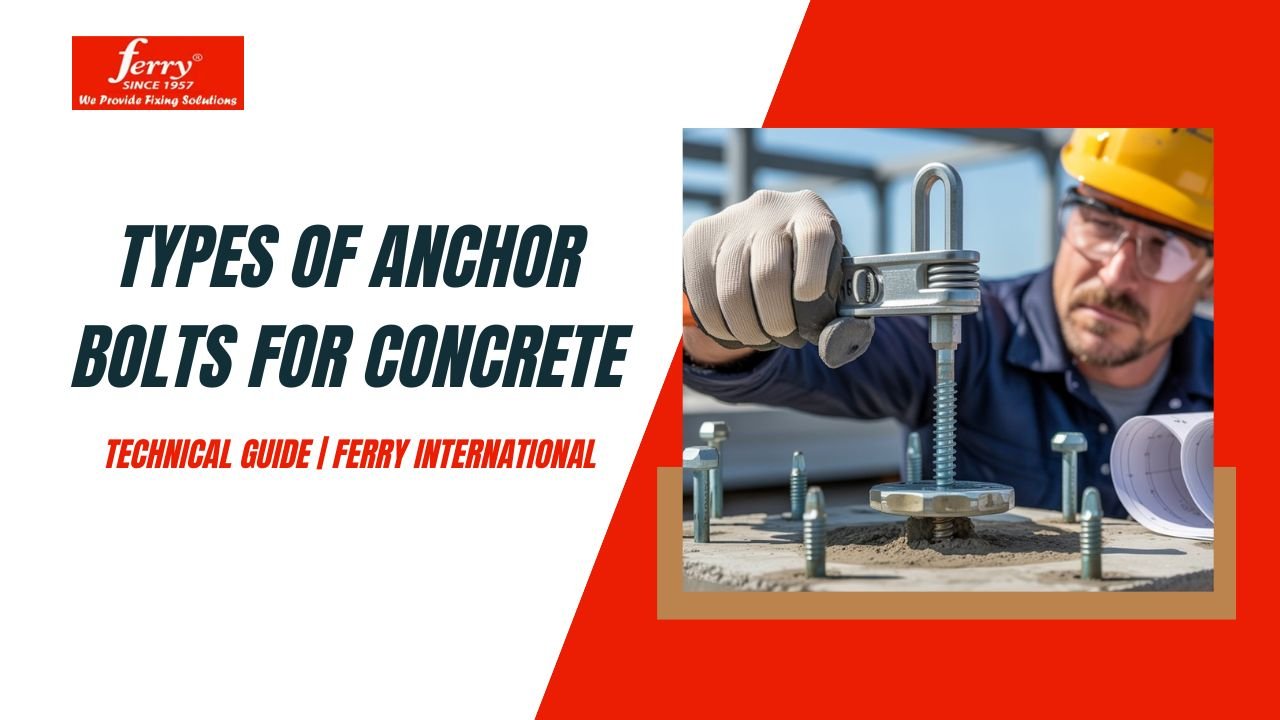
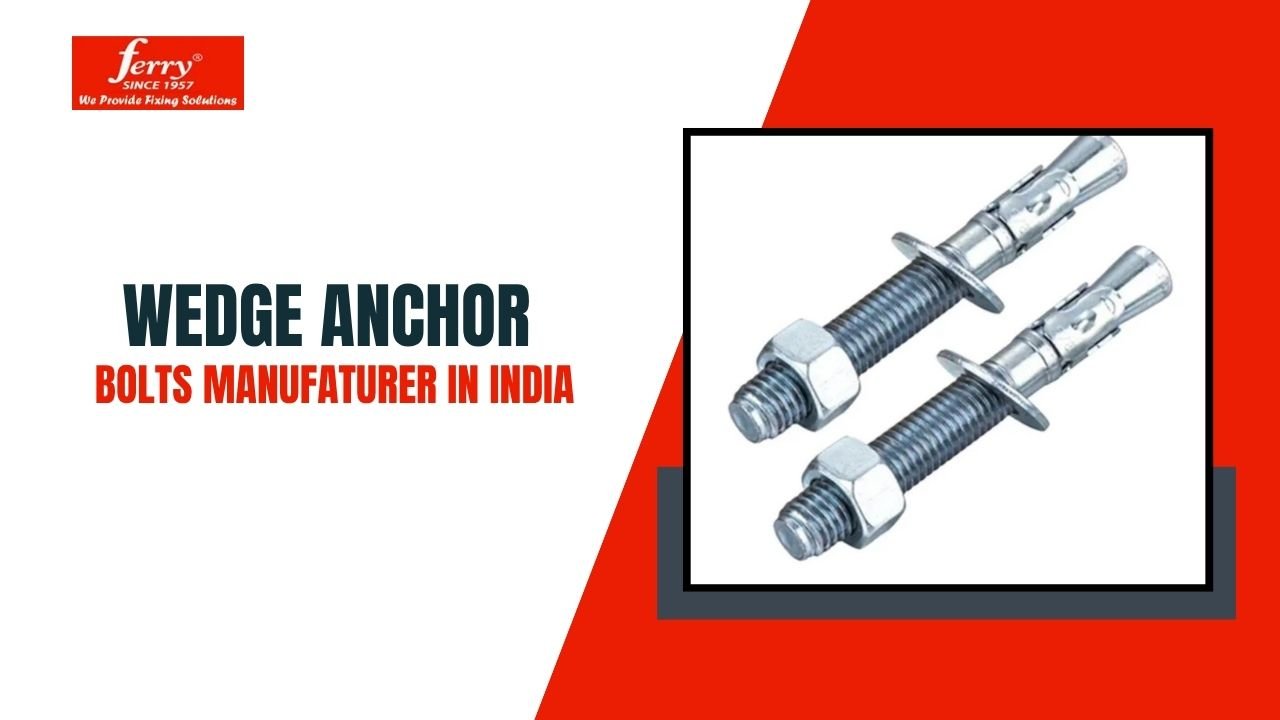
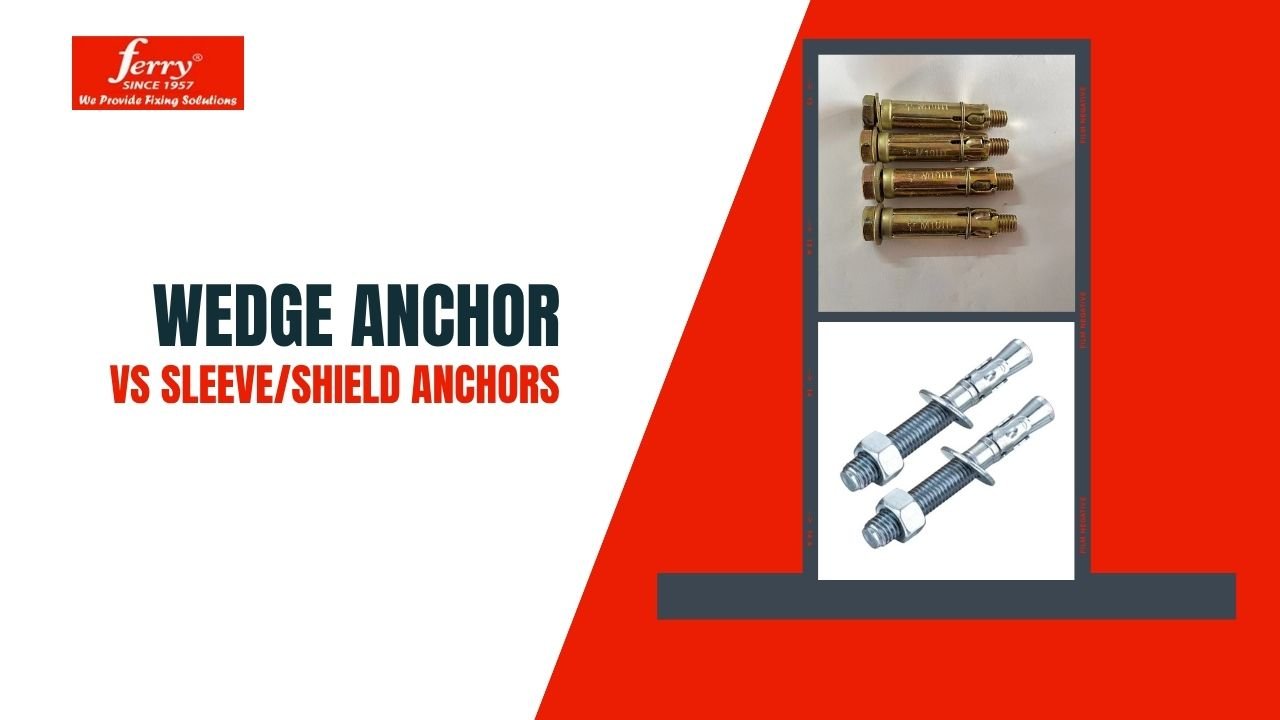
.jpg "Top Anchor Bolt Manufacturers in India (2026) | Ferry International")


.jpg "Drop-In Anchors for Concrete Fixing")
 Bulk Supplier.jpg "Rubber Lined Split Clamp (Cushioned Pipe Clamp) – Bulk Supply")
.jpg "Sprinkler Clamp Manufacturer in Telangana | Project Bulk Supply by Ferry International")
.jpg "Rubber Lined Pipe Clamp")
.jpg "How to Choose Fasteners for Industrial Projects")
.jpg "Bulk Anchor Bolt Supplier for New Berlin,")
.jpg "Anchor Bolts Supplier for Bulk Orders in South Africa")