Where to Buy Anchor Bolts & Fasteners | Quality Buying Guide
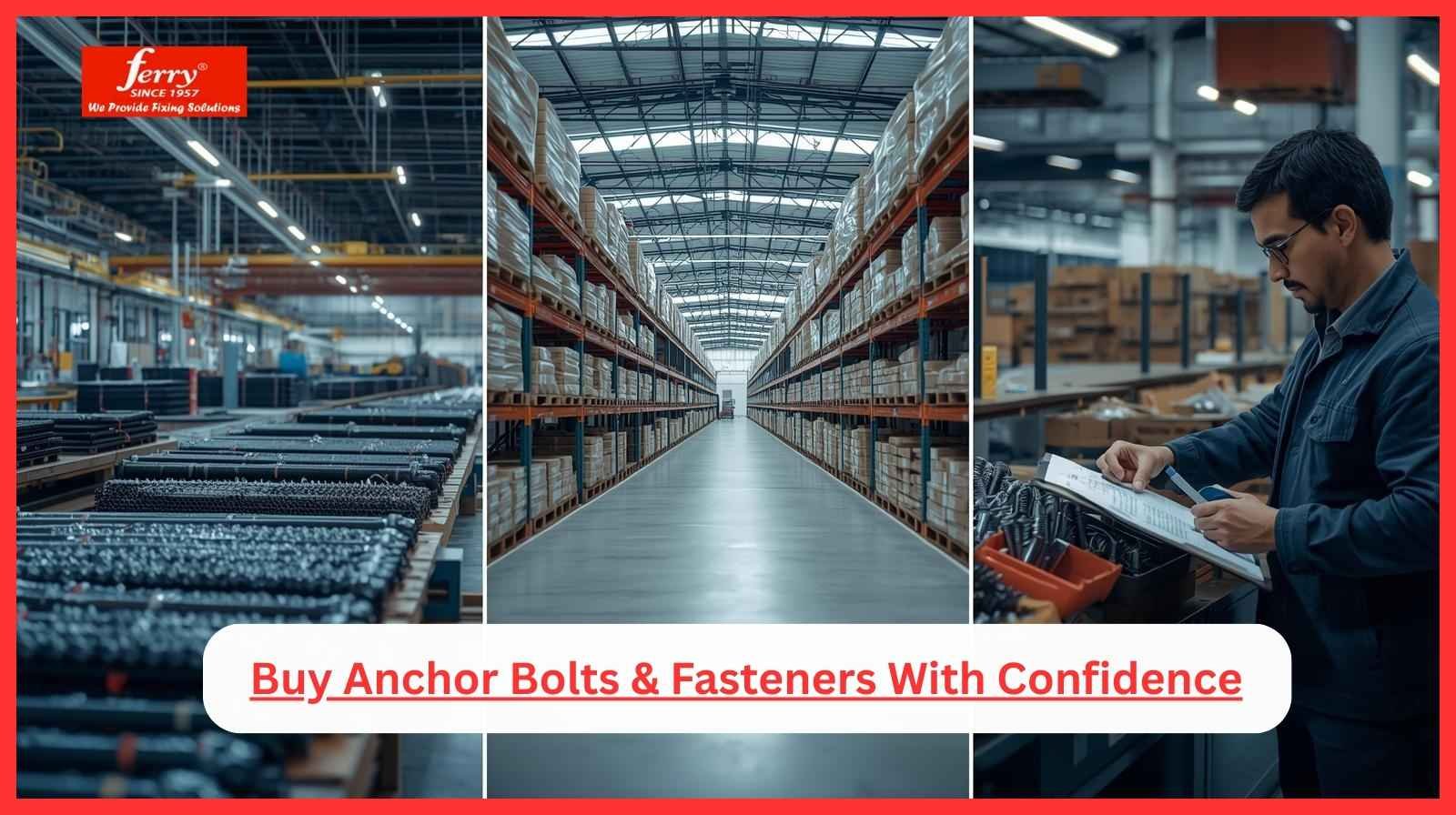
Where to Buy High-Quality Anchor Bolts and Fasteners
Buying anchor bolts and fasteners is easy to do wrong because the product looks “same” even when it isn’t. A bolt can look perfect and still be the wrong grade, weakly coated, poorly threaded, or mixed from different batches. That’s how buyers end up with rust, loosening, rejection at site, or rework.
This guide explains where to buy, how to choose the right supplier, and how to verify quality—in simple English.
Disclosure:Ferry International supplies anchor bolts and fasteners. This article is written to help you avoid wrong material and you should use the same checks for any supplier, including us.
What you are actually buying
Every anchor bolt or fastener has only three real outcomes:
Strength (grade/material)
Fit (size + thread quality)
Life (coating/corrosion resistance)
If any one is wrong, the job suffers.
Step 1: Decide the risk level (this decides where to buy)
Ask this one question:
If this fastener fails, what will it cost me?
High-risk: base plates, heavy machines, overhead supports, vibration zones → Buy from a manufacturer or verified distributor (written spec + consistent batch supply)
Medium-risk: fabrication frames, brackets, MEP supports, general construction fixings → Buy from a reputed industrial stockist (but inspect before accepting)
Low-risk: temporary or non-critical use → Local market can work (still check thread fit + size)
This is the logic professionals follow. Not “rate first.”
Step 2: Confirm you’re buying the right type (common confusion)
A lot of “quality issues” are actually wrong product selection.
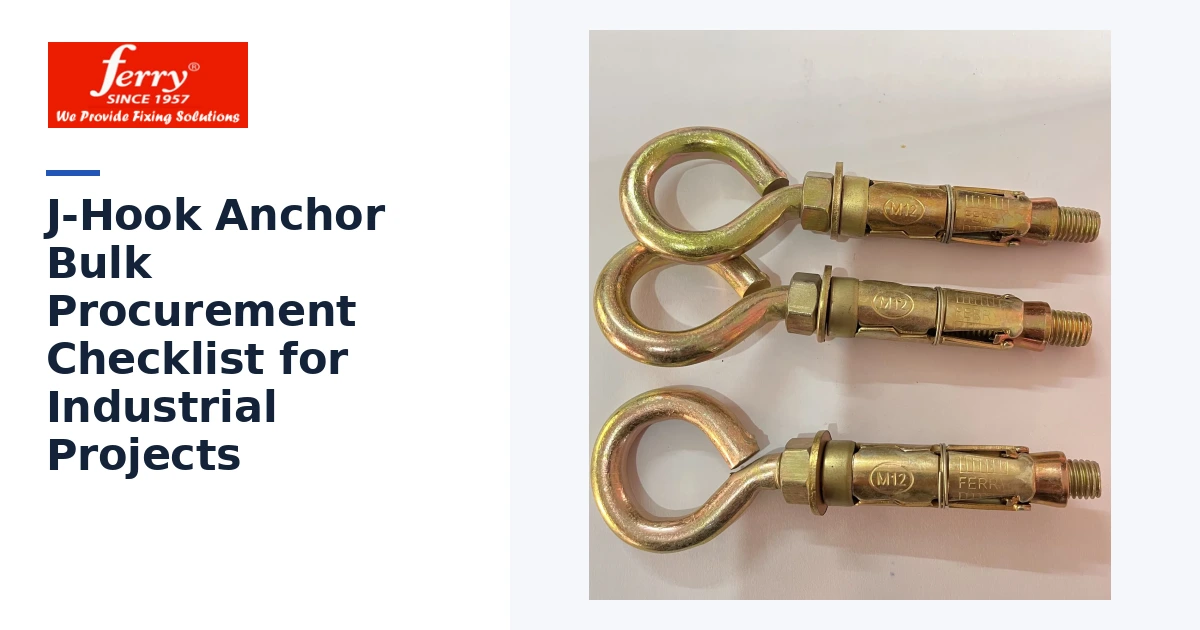
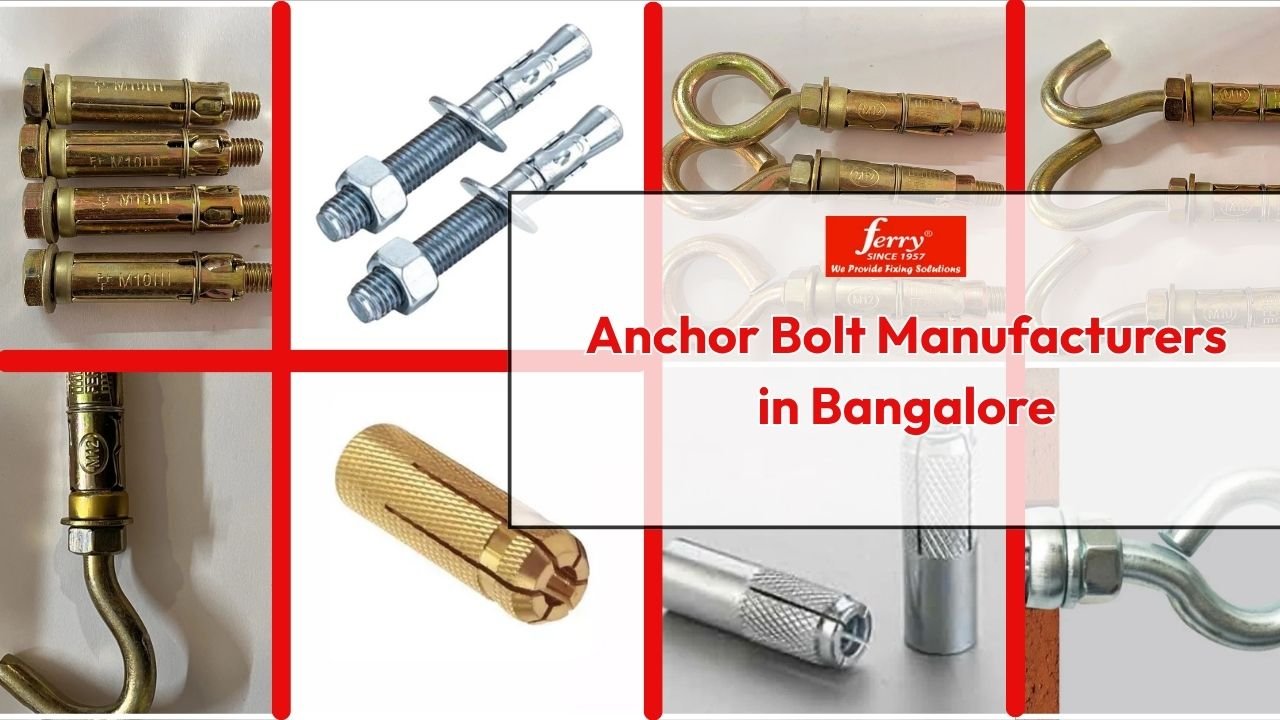
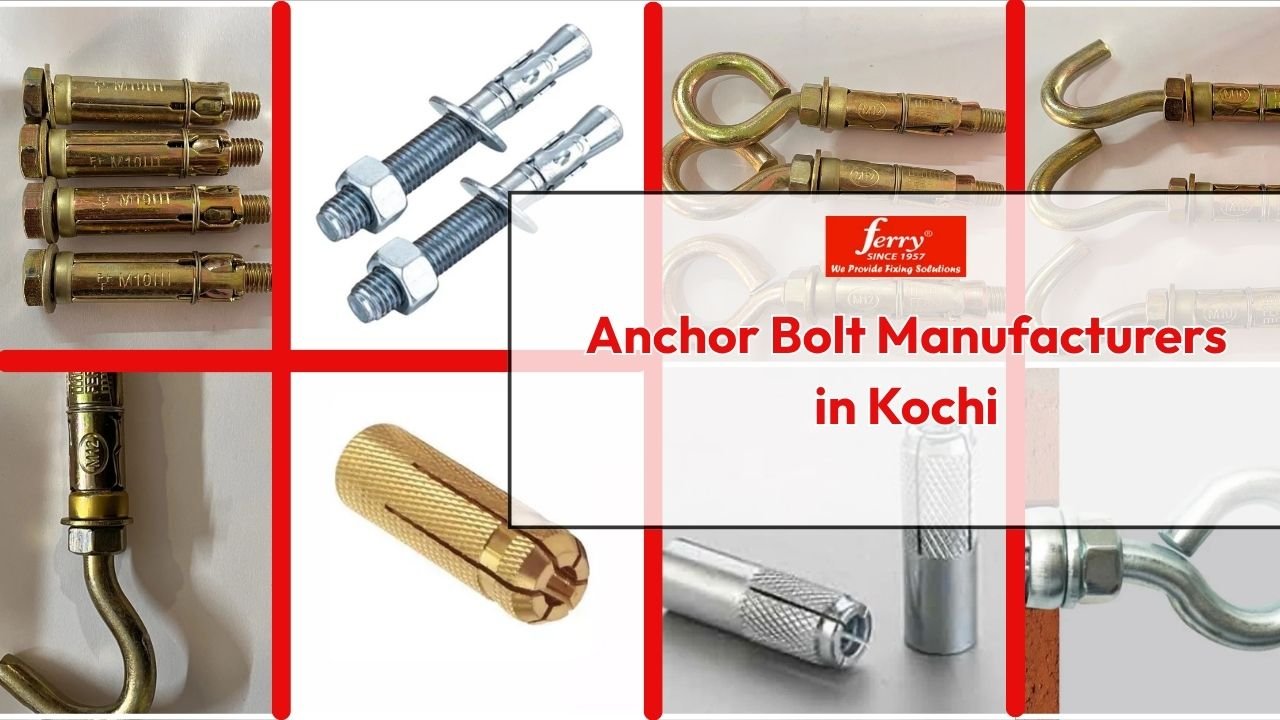
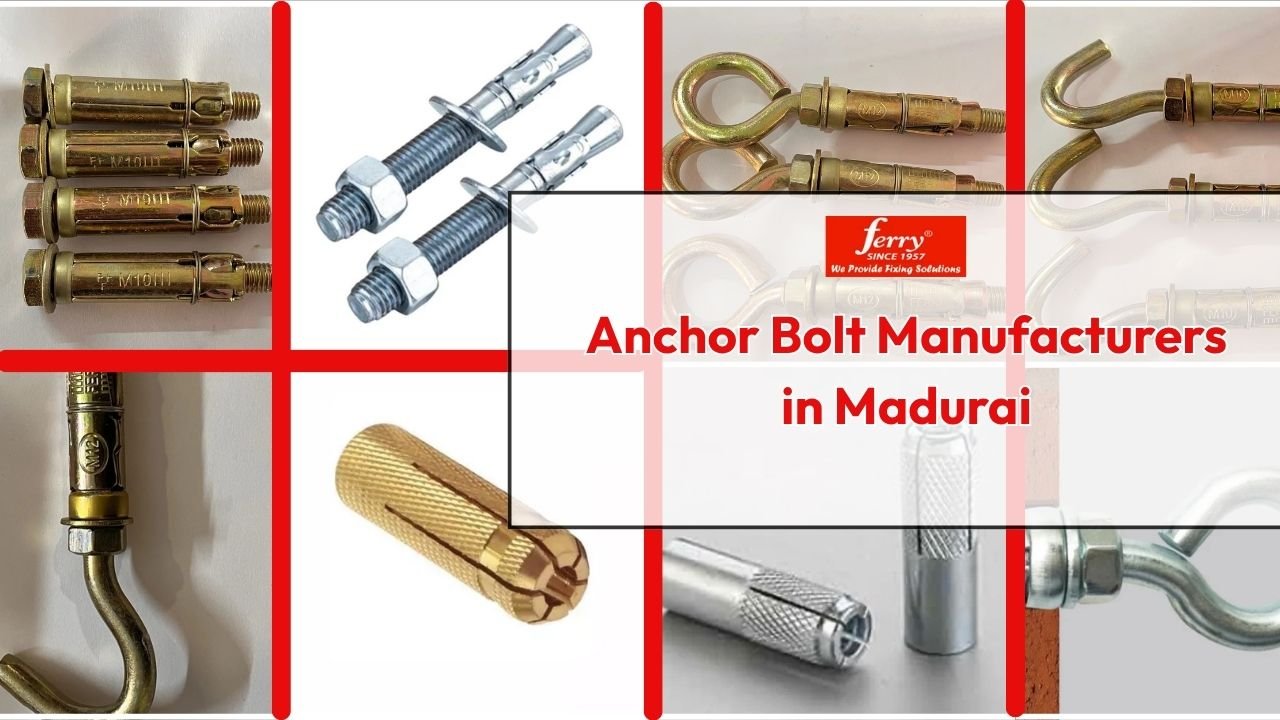
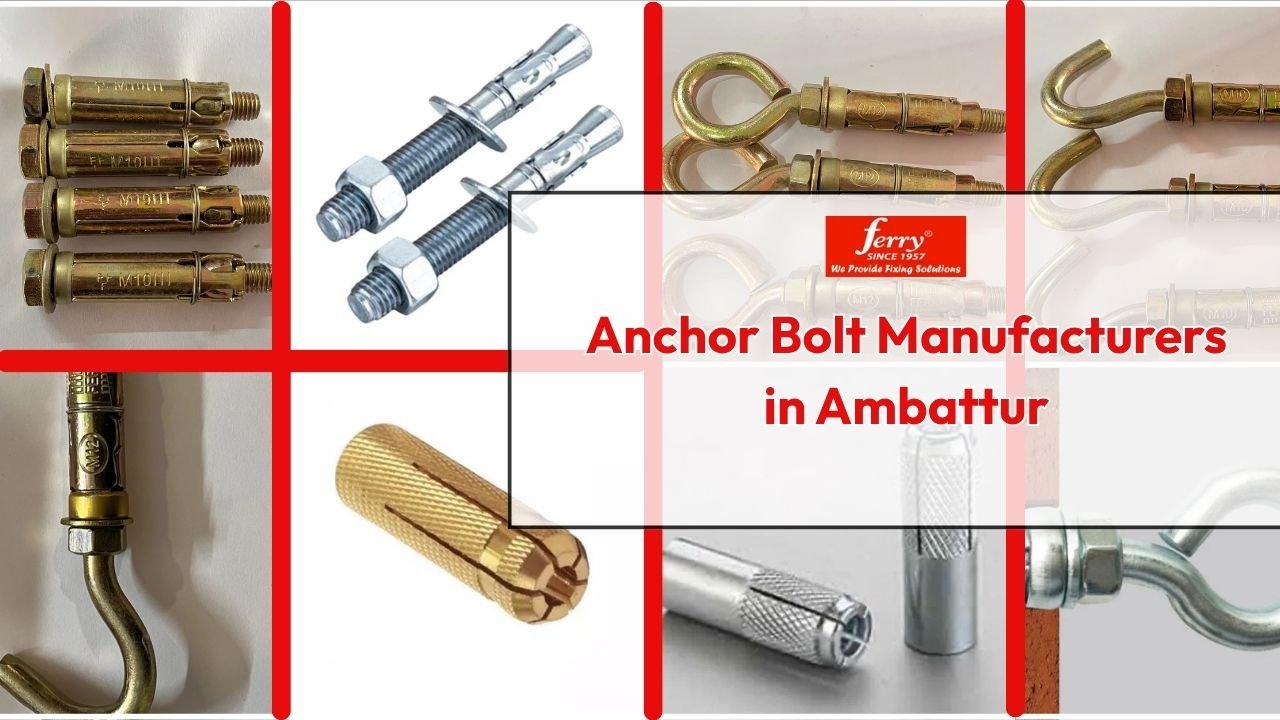
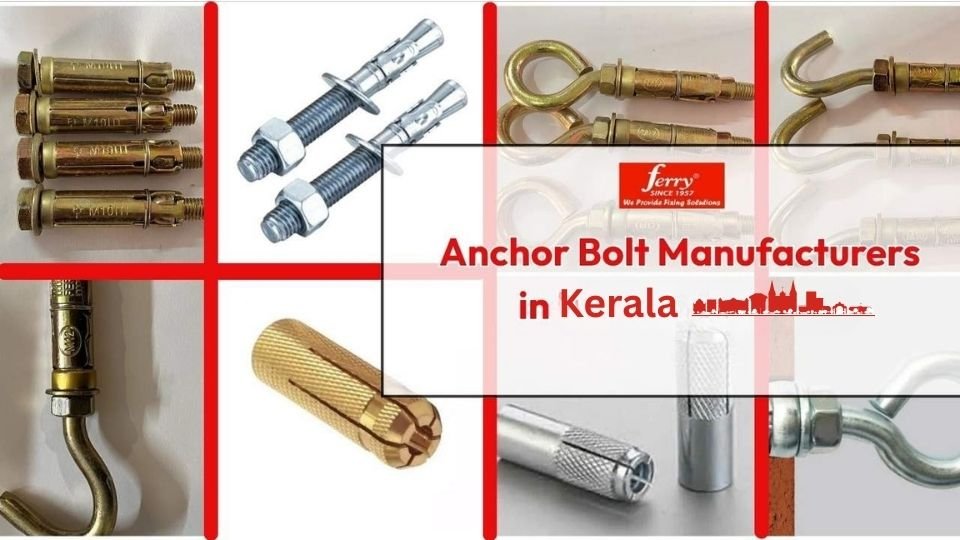
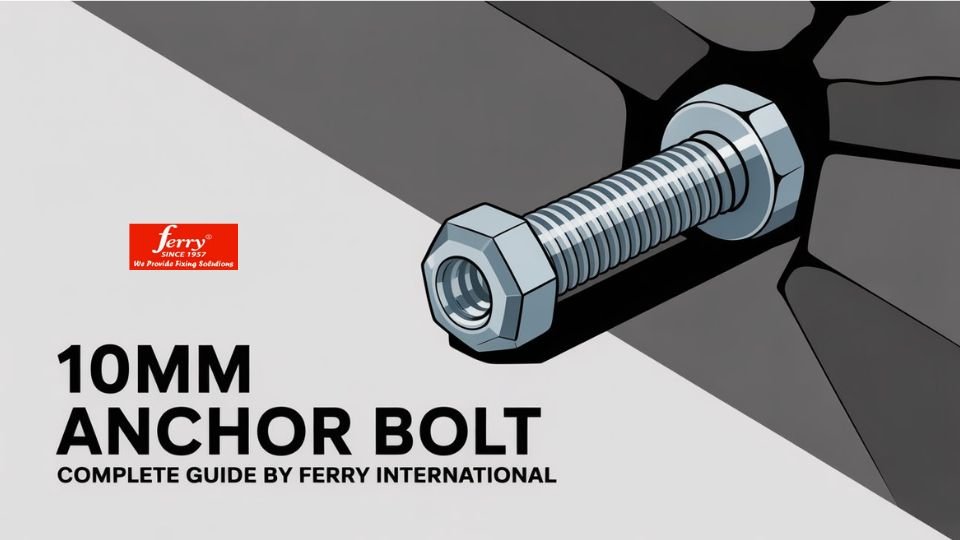
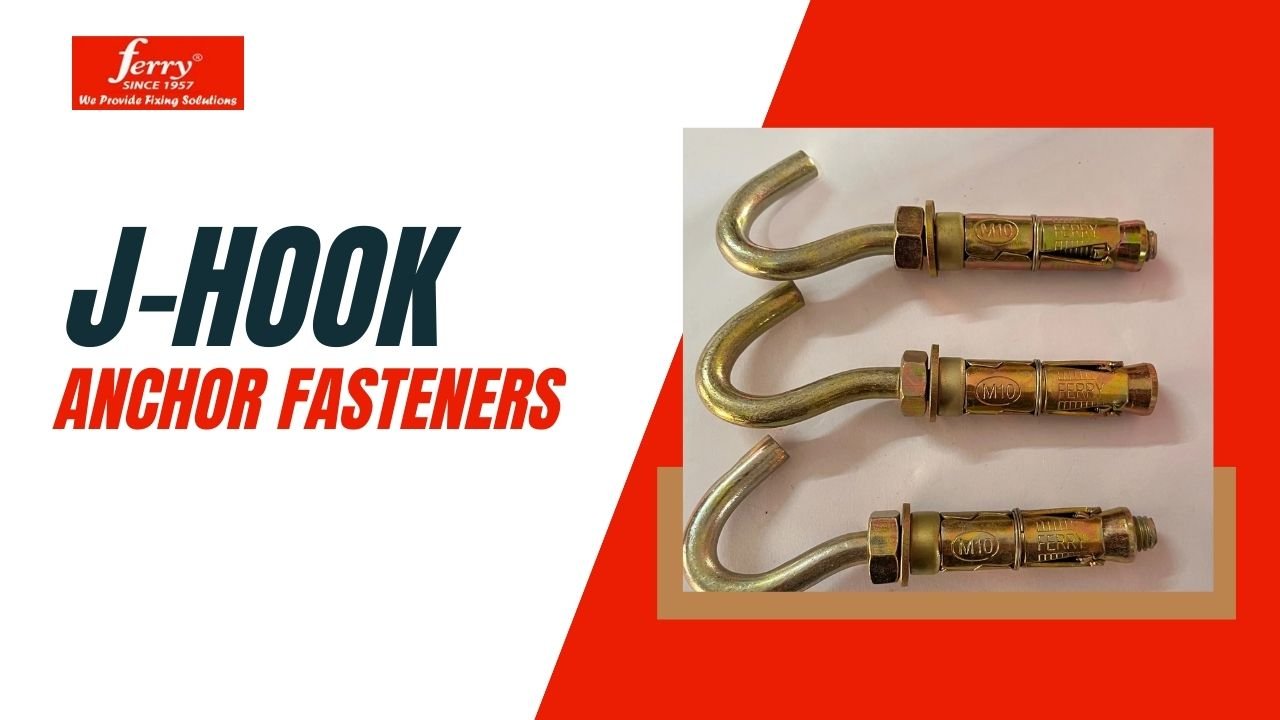
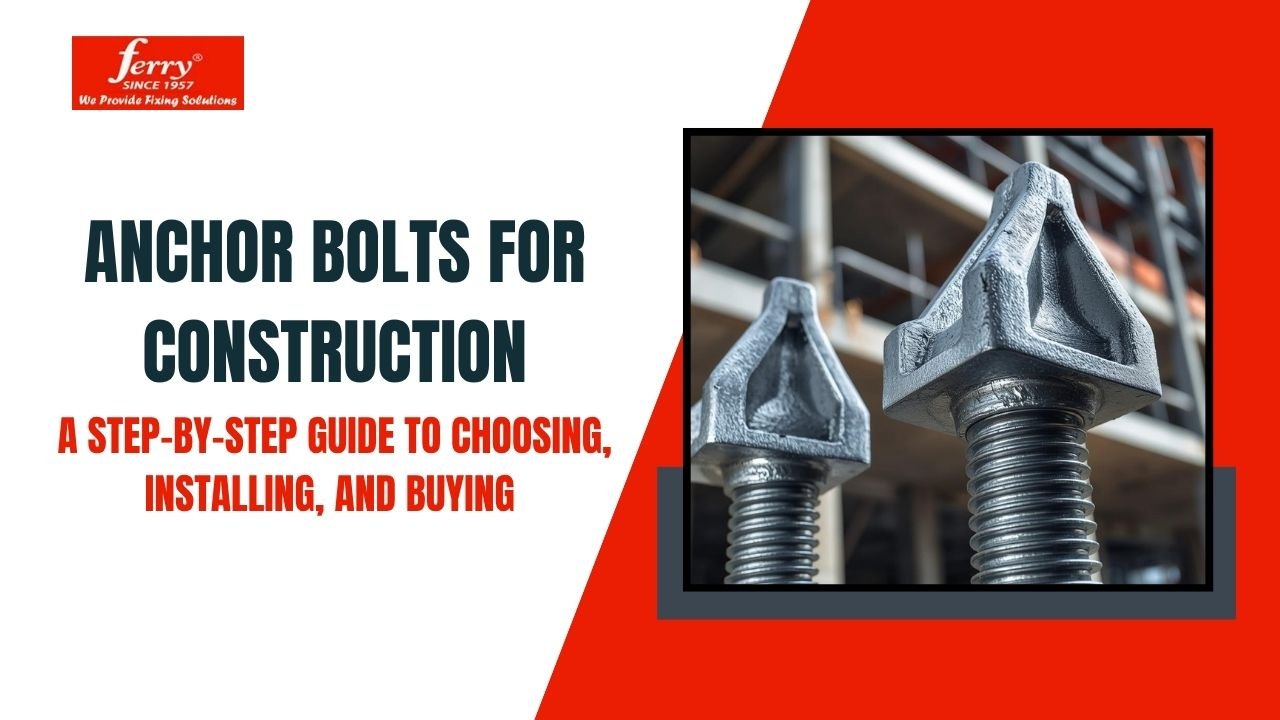
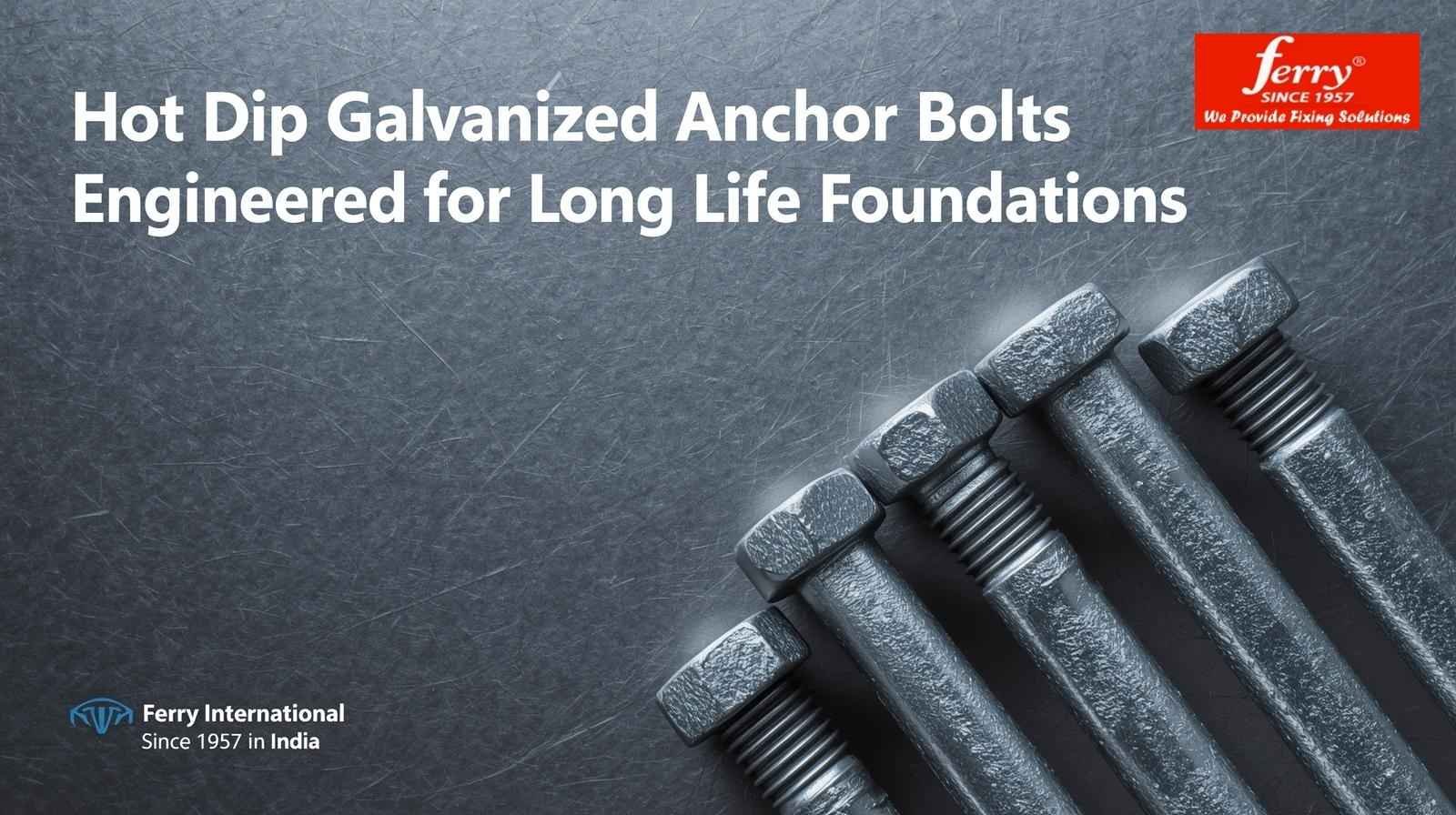
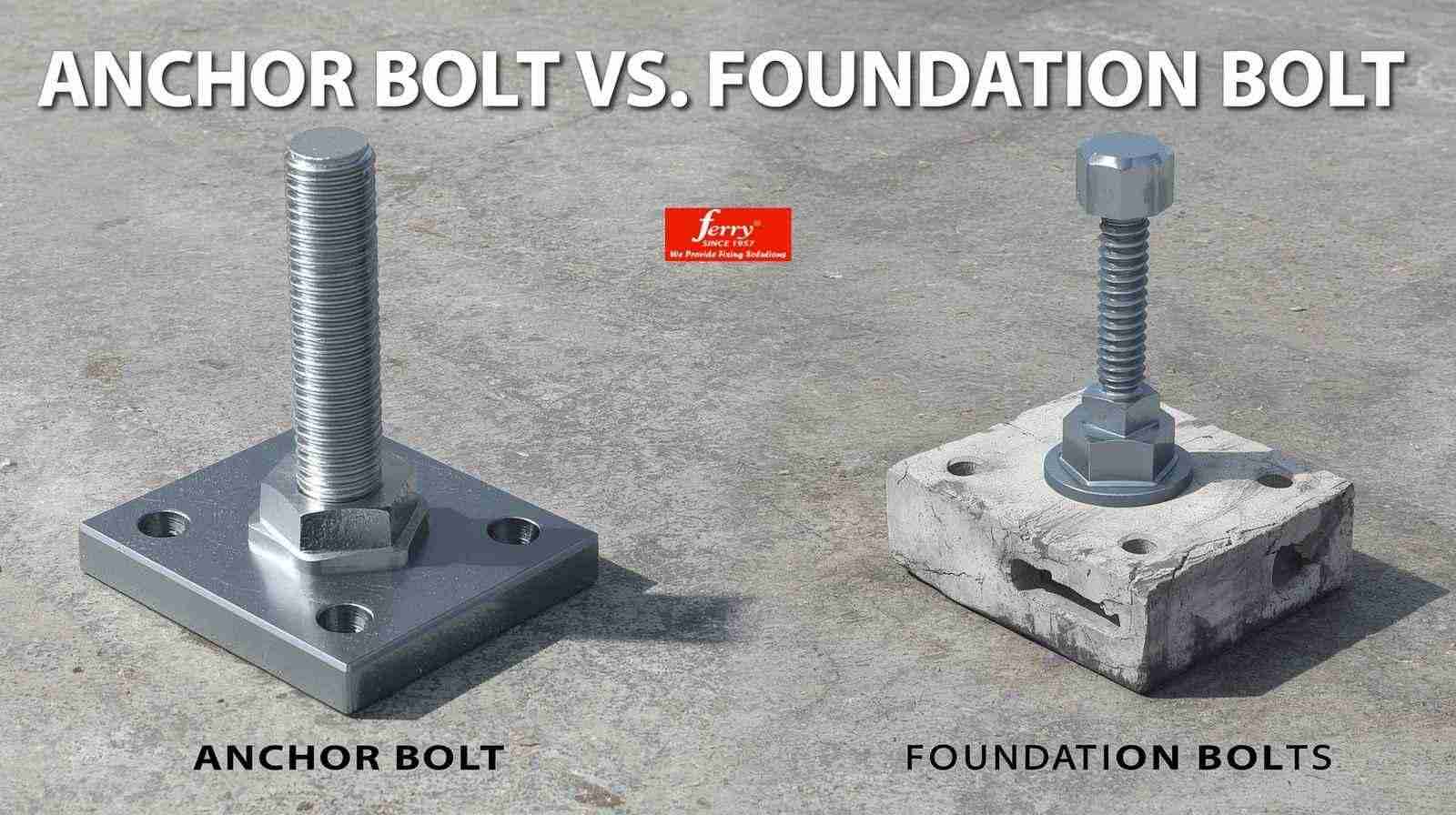
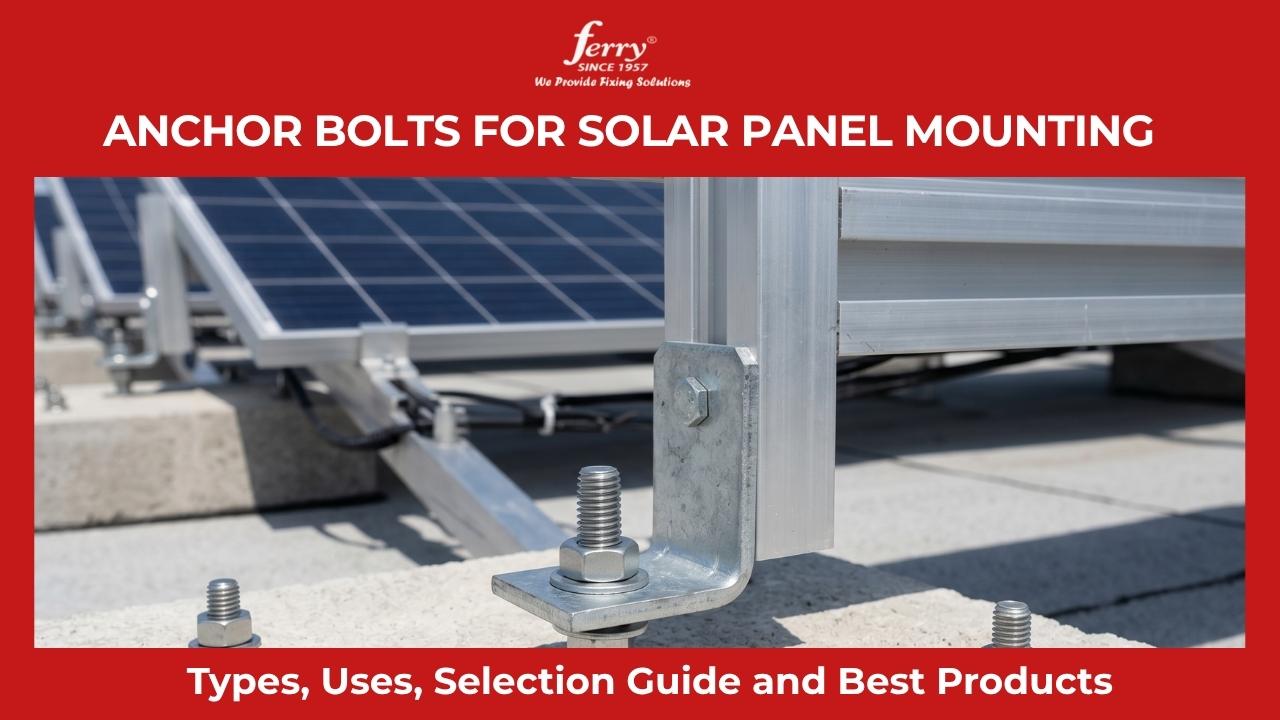
Foundation bolts / anchor rods (J, L, straight rods): used in foundations and base plates
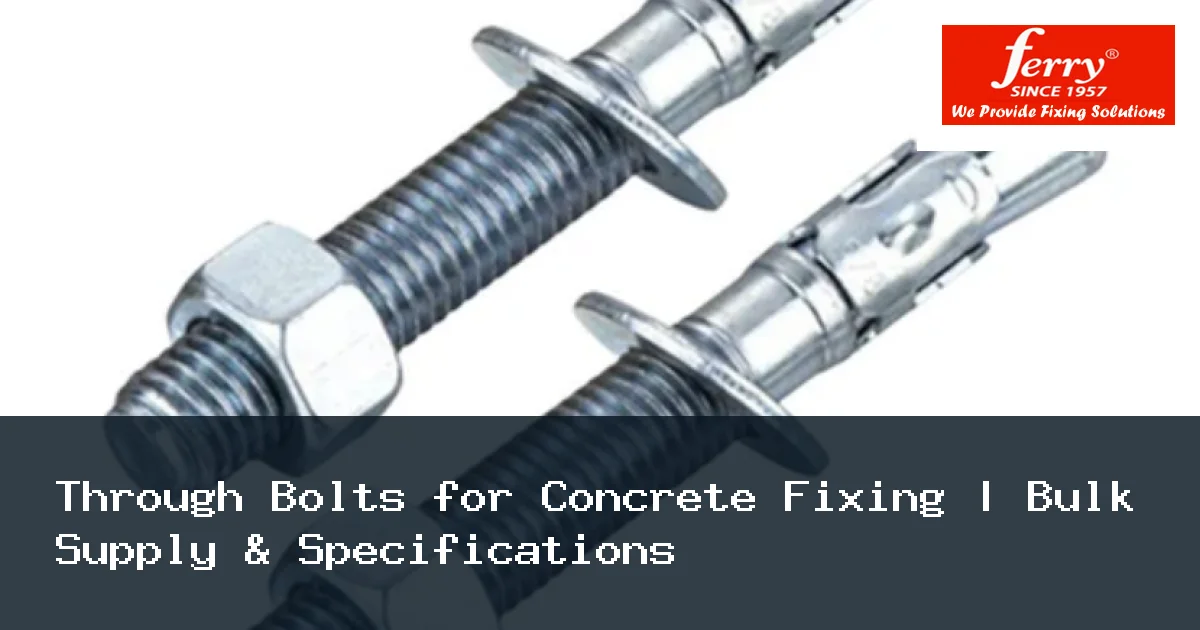
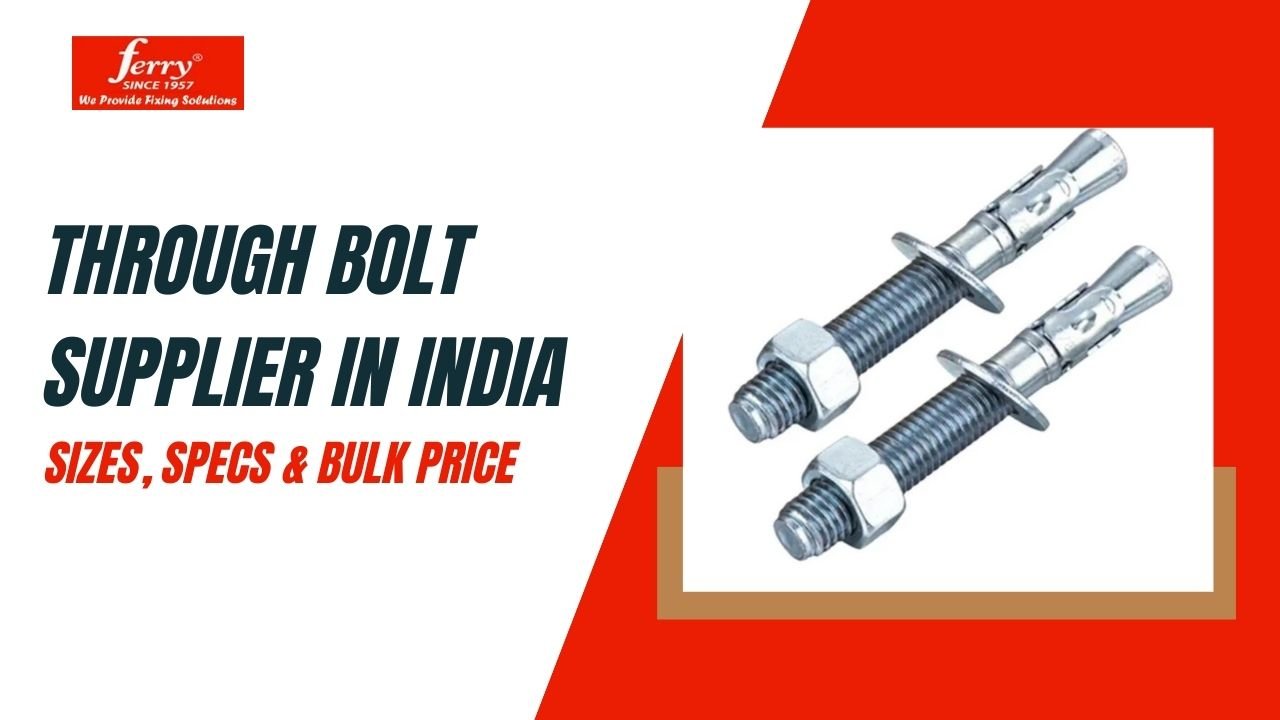
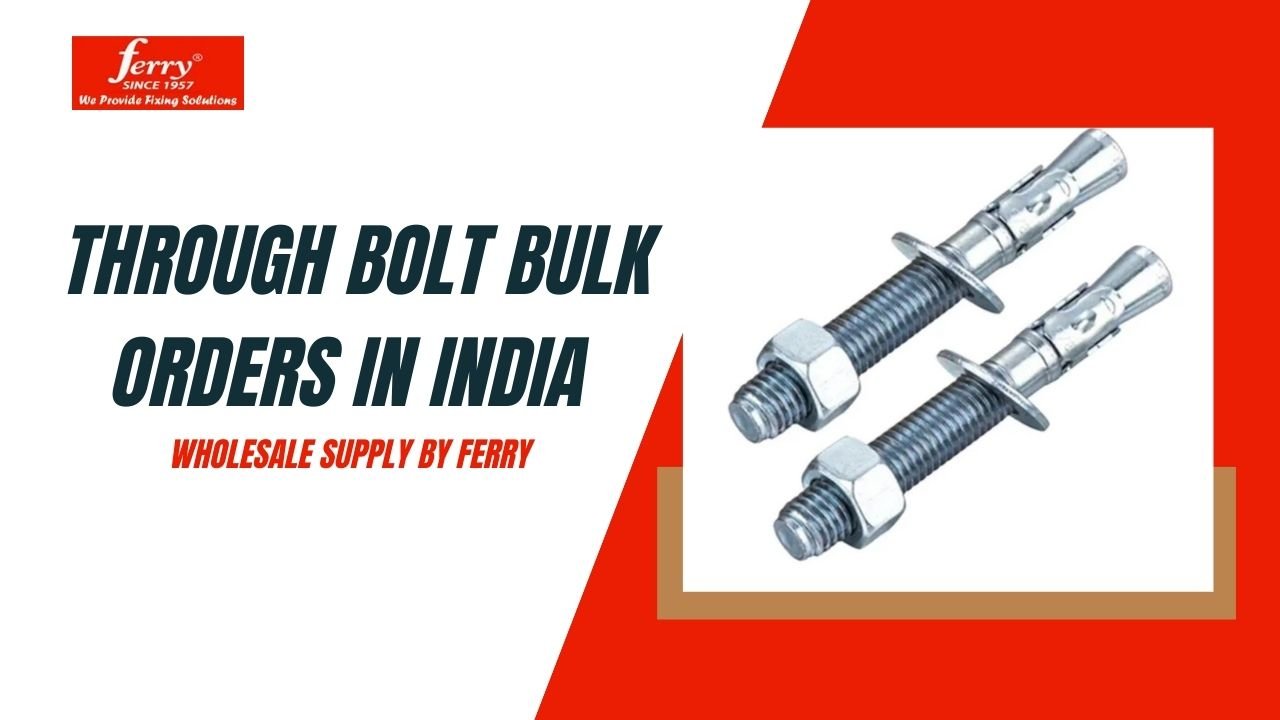
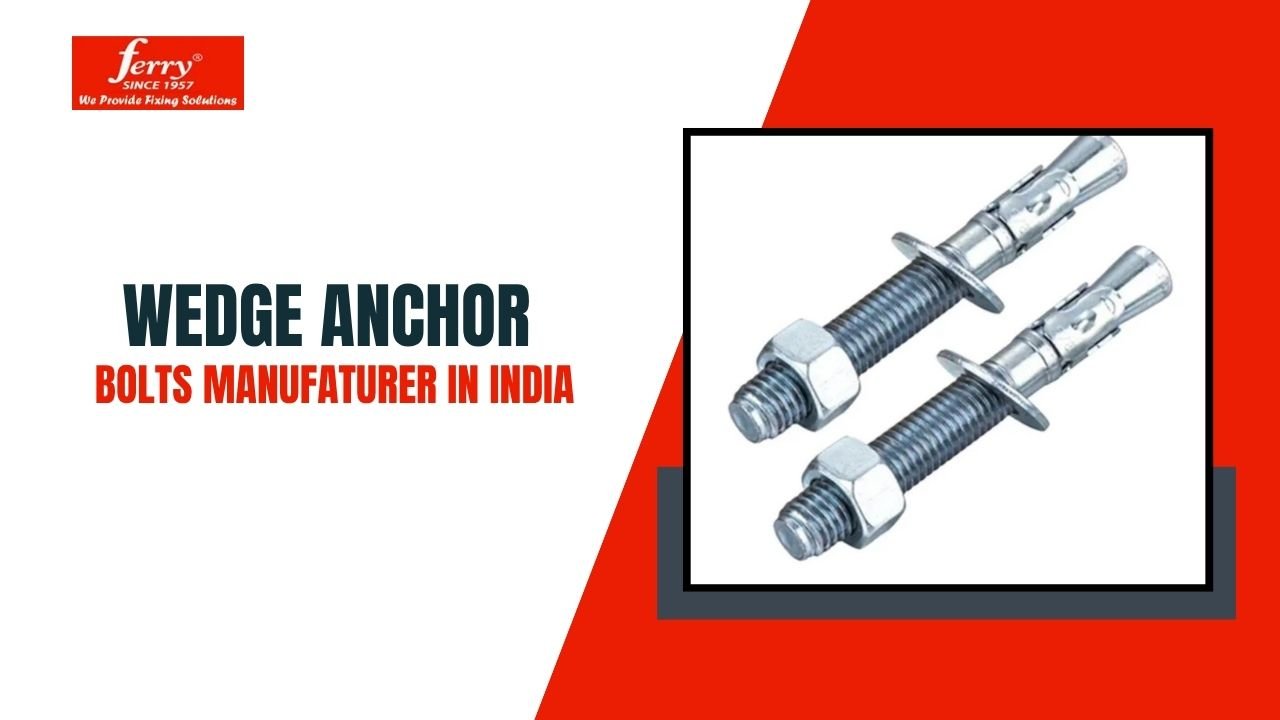
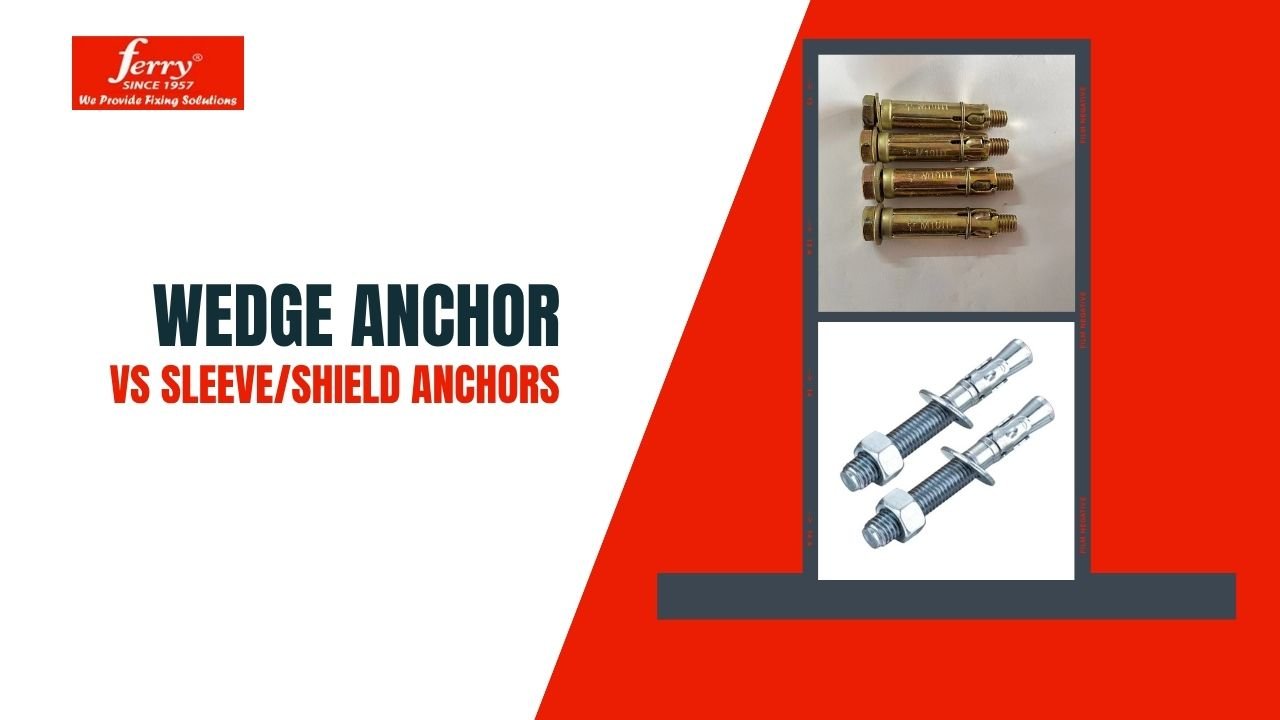
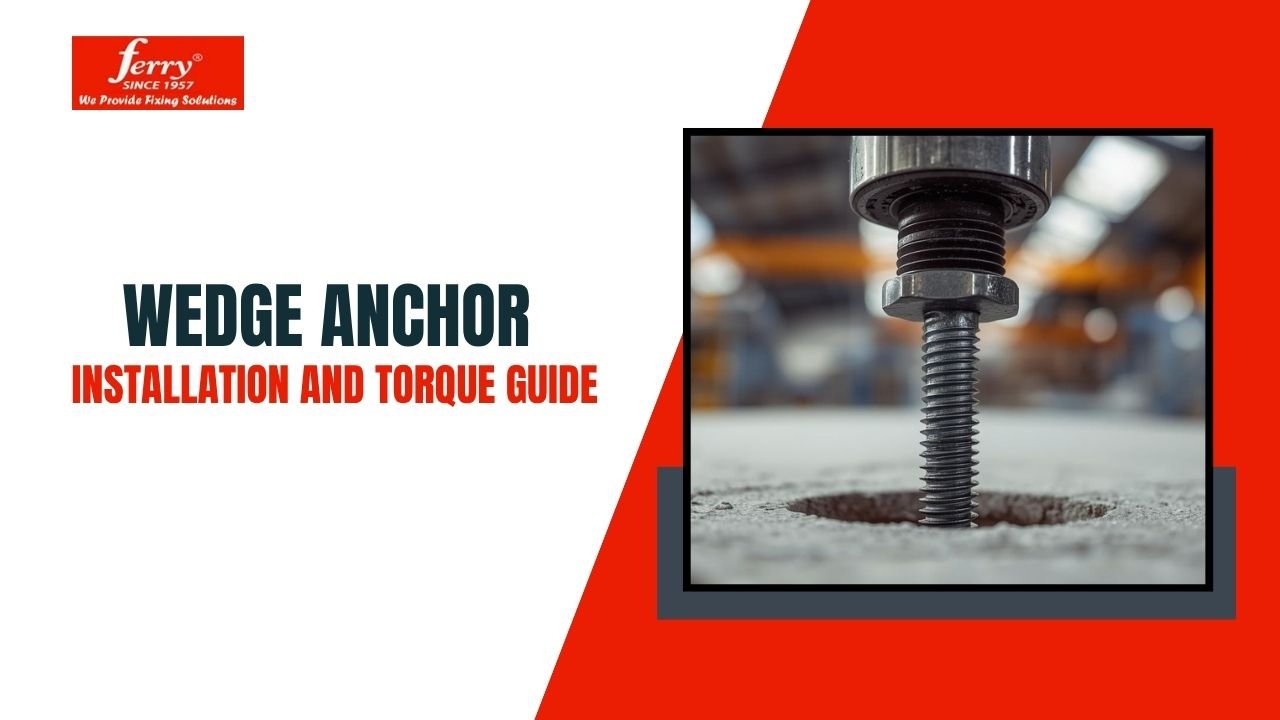
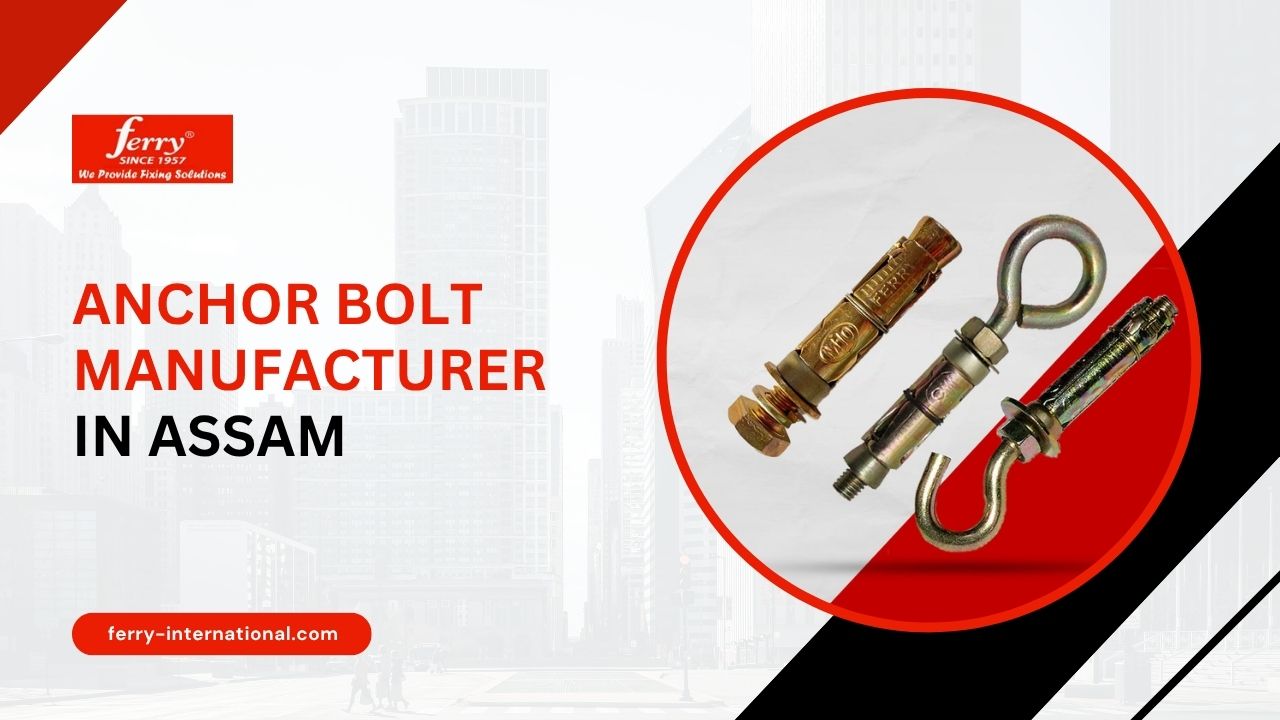
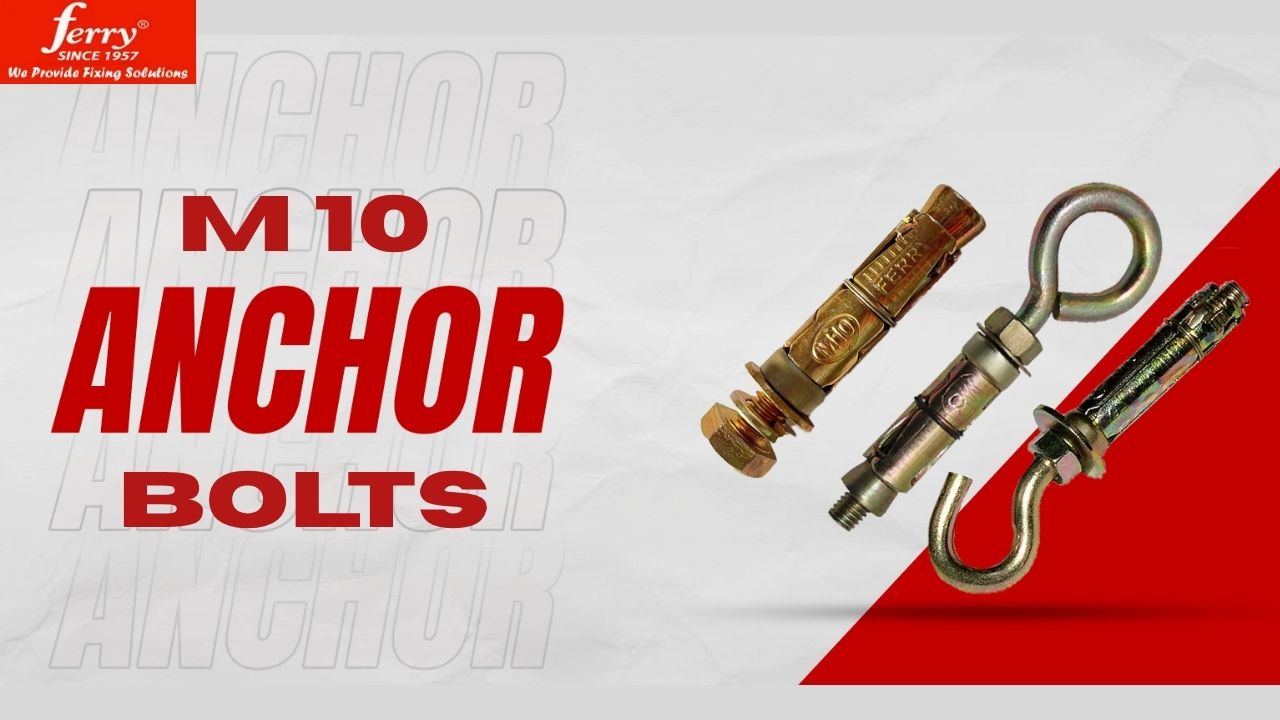
Through/Wedge anchors: post-installed mechanical anchors for concrete
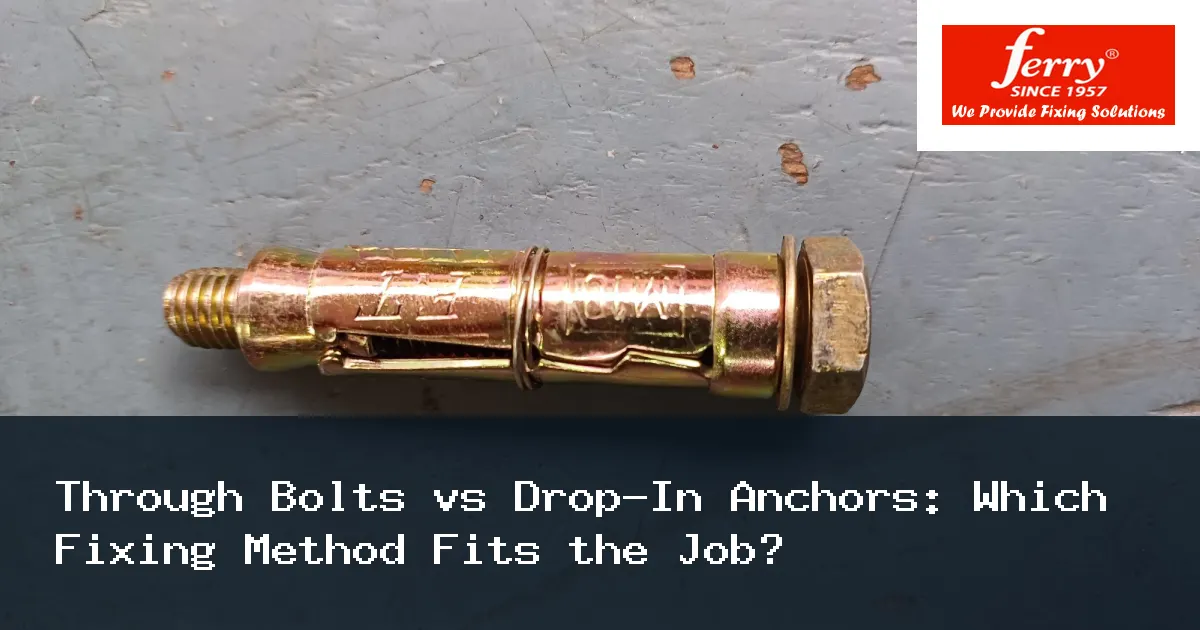
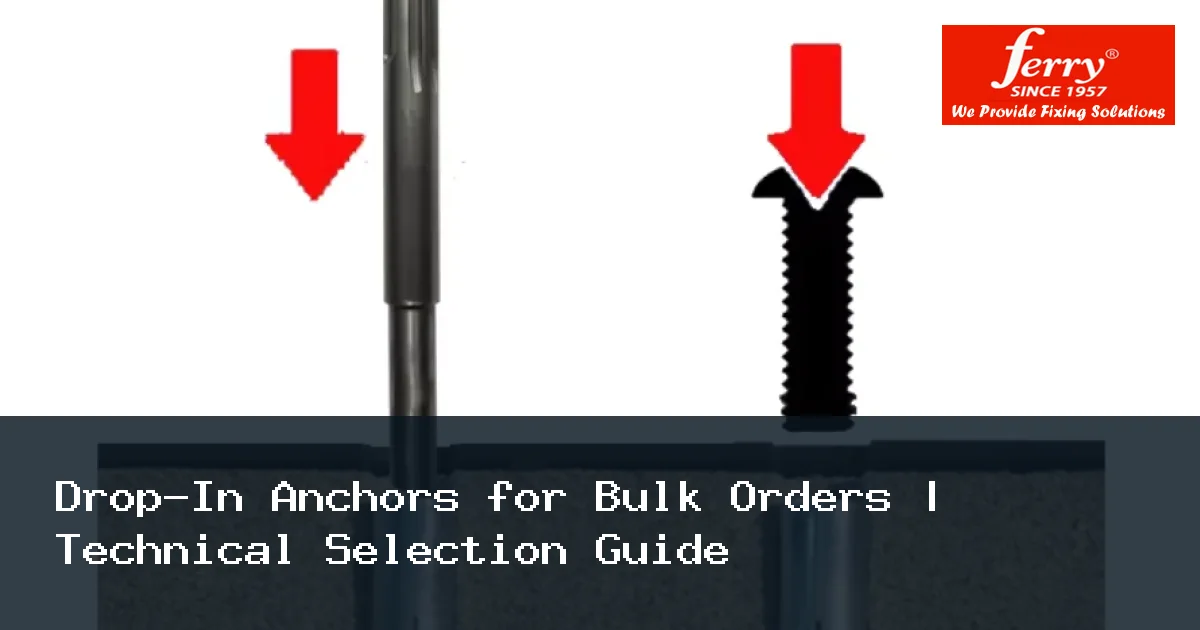
Drop-in anchors: internal-thread anchor that sits flush inside concrete
If you’re unsure, ask your site person: “Is this cast-in foundation bolt, or post-installed anchor in concrete?” That single answer prevents wrong buying.
Don’t send: “M12 anchor bolt required.” Send this instead (simple but clear):
Product: (anchor rod / J bolt / through anchor / drop-in anchor / hex bolt)
Size: M__ × ___ length
Thread: full / partial, thread length ___
Material/grade: ___ (write what your project needs)
Finish: zinc / HDG / stainless (as needed)
Quantity: ___
Use: indoor / outdoor / coastal / chemical area
Delivery: city + date
Where to buy (honest pros/cons)
1. Manufacturer
Best for: projects, bulk, custom sizes, strict consistency.
Why it’s safer: fewer middle layers means less batch mixing and better control of material, threading, and finish.
Buy from a manufacturer if you need:
foundation bolts / anchor rods
custom length or J/L bolts
coating control for outdoor/coastal use
repeat project supply without surprises
2. Verified distributor
Best for: fast delivery of standard sizes with better control than open market.
Works well when:
you buy the same items repeatedly
you need stock availability and predictable supply
Warning: distributor quality depends on batch discipline. If they mix multiple sources, your risk returns.
Reputed industrial stockist (fastener dealer)
Best for: urgent top-ups and mixed basket buying (bolts, nuts, washers, clamps).
Risk: mixing and “equivalent grade” selling is common.
Use stockists for medium/low-risk jobs only if you can inspect the lot before accepting.
Online marketplaces
Good for: finding suppliers and price comparison.
Risk: listings and images are not proof. Only buy if the seller confirms the spec in writing and you inspect on delivery.
How to verify quality
Do these checks before you accept material—anyone can do them.
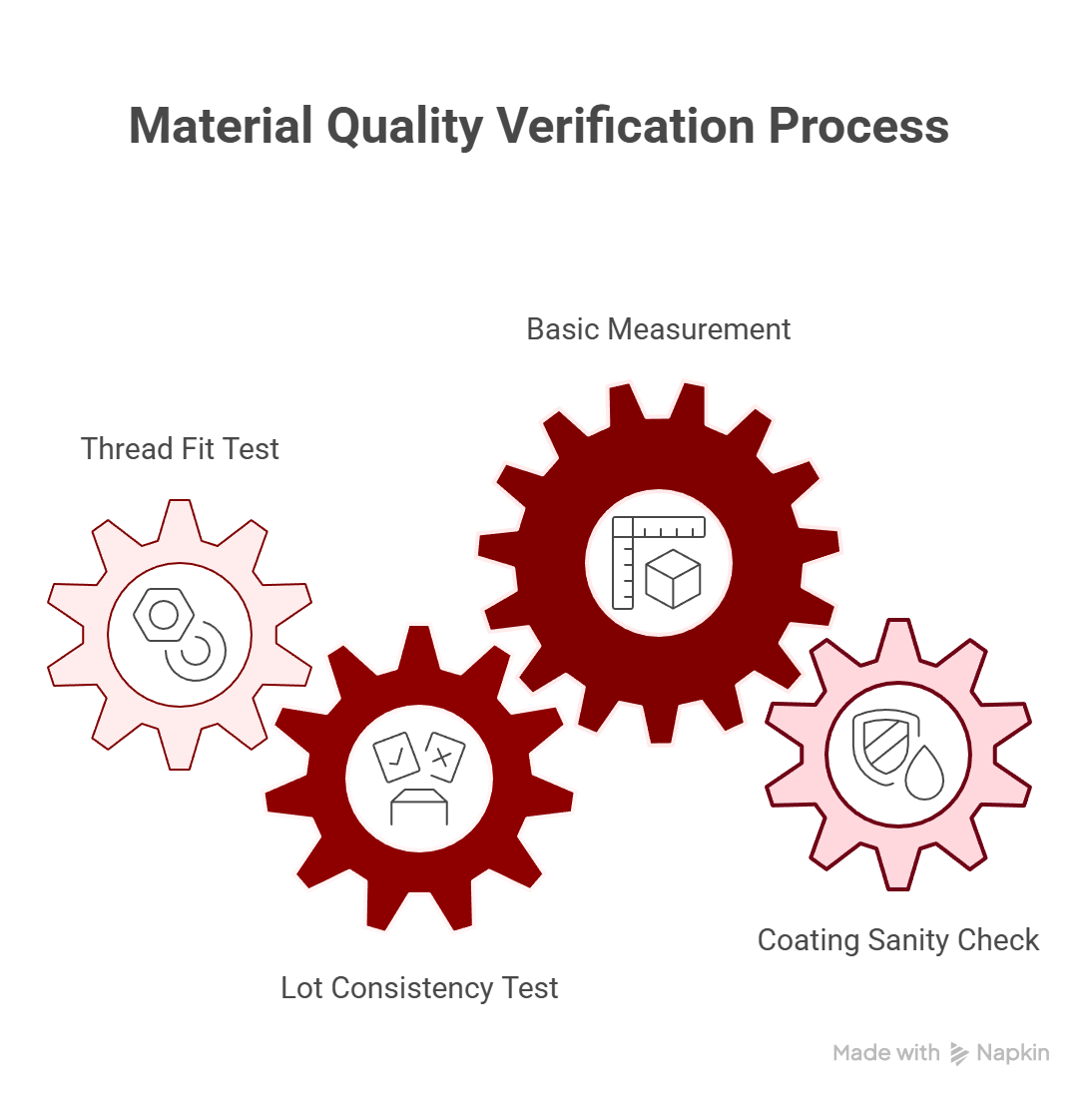
1) Thread fit test (fastest)
Nut should rotate by hand smoothly for multiple turns. If it jams early, feels rough, or wobbles → stop acceptance.
2) Lot consistency test (most important)
Open random packs and compare:
finish tone
markings style
machining feel
If pieces look different → mixed lot risk.
3) Basic measurement
Confirm:
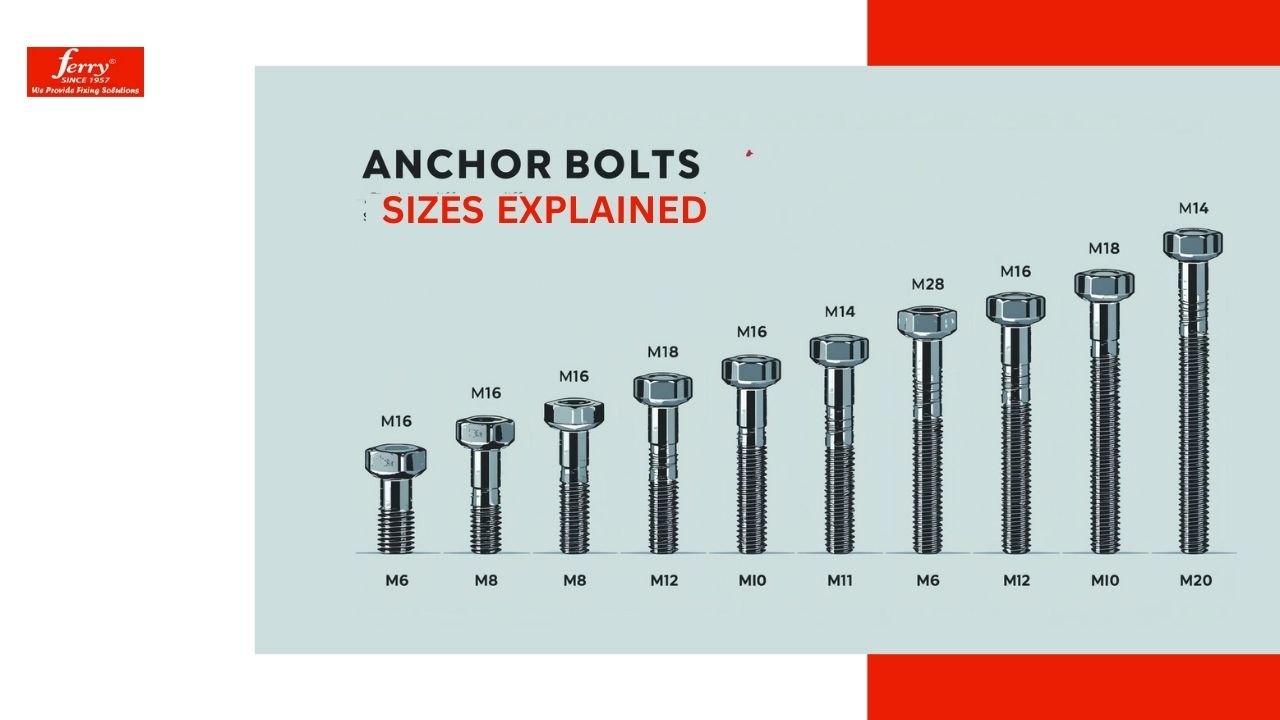
diameter (M8/M10/M12…)
length
thread length (full vs partial)
Don’t accept “almost same” in anchors.
4) Coating sanity check
Outdoor/coastal needs stronger corrosion protection. Don’t accept vague wording like “GI” without clarity of coating type.
Questions to ask any supplier
Ask these before payment (including to Ferry International):
What exact material/grade are you supplying? (put it on quotation)
What exact finish/coating is it, and is it suitable for indoor/outdoor/coastal?
Will the full supply be from one batch/lot or mixed?
Confirm size + length + thread length in writing.
If the project asks, can you provide documents (inspection/cert) for the supplied lot?
If answers are only “best quality sir,” that’s not controlled supply.
Common traps buyers should avoid
“Same quality” substitution without written grade
“Galvanized” used loosely without coating clarity
Mixed lot delivery (some pieces different)
Buying the wrong anchor type (foundation rod vs mechanical anchor)
Where Ferry International fits
If you are evaluating suppliers, Ferry International should be judged by the same checklist above:
Can we confirm your spec in writing?
Can we maintain consistent supply for your quantity?
Can we support the finish/coating you need?
Can we pack and deliver with clear identification?
If you want a quote from Ferry International, the correct way to request is simple: Send Product + Size + Length + Thread length + Finish + Quantity + Delivery city. That gives you an accurate quote and avoids wrong supply.
FAQ
Where is the safest place to buy anchor bolts? For high-risk use, buy from a manufacturer or a verified distributor who confirms grade, finish, and batch consistency in writing.
How can I check quality if I’m not technical? Do thread-fit test, lot consistency check, measure basics, and confirm coating suitability before accepting.
Is online buying safe? Online is good for shortlisting. Final buying is safe only when spec is confirmed in writing and material is inspected on arrival.


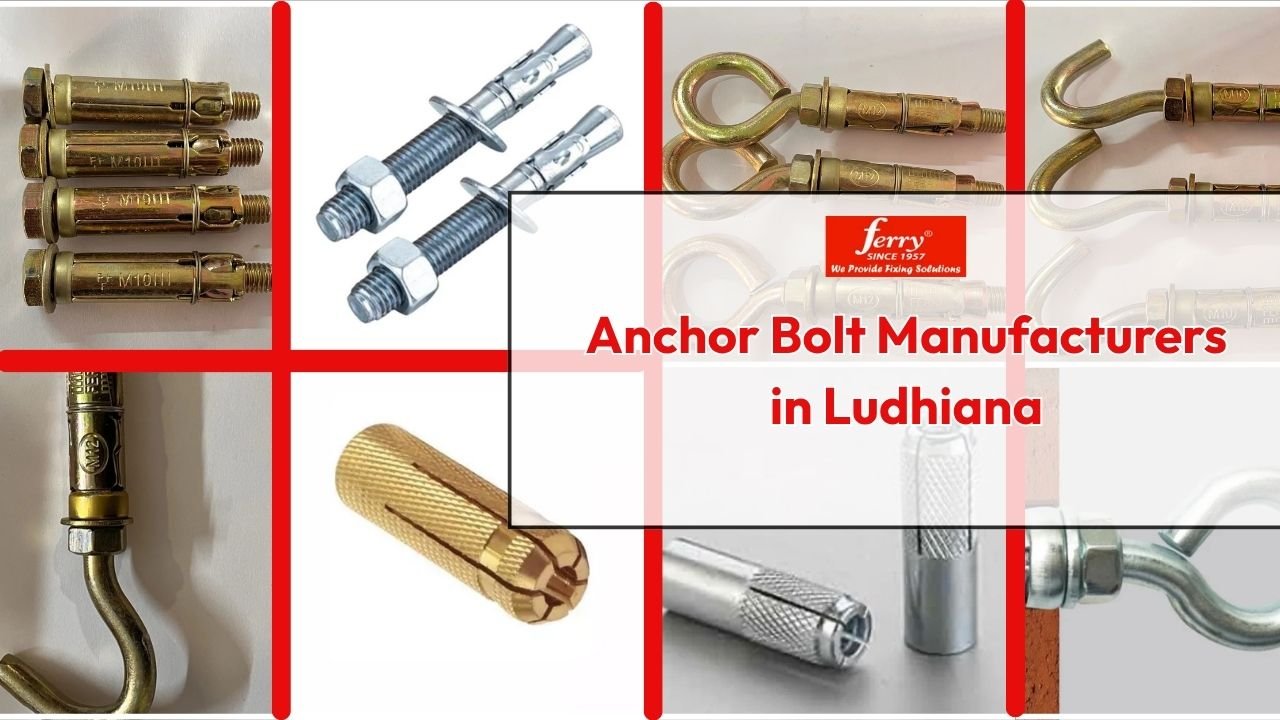
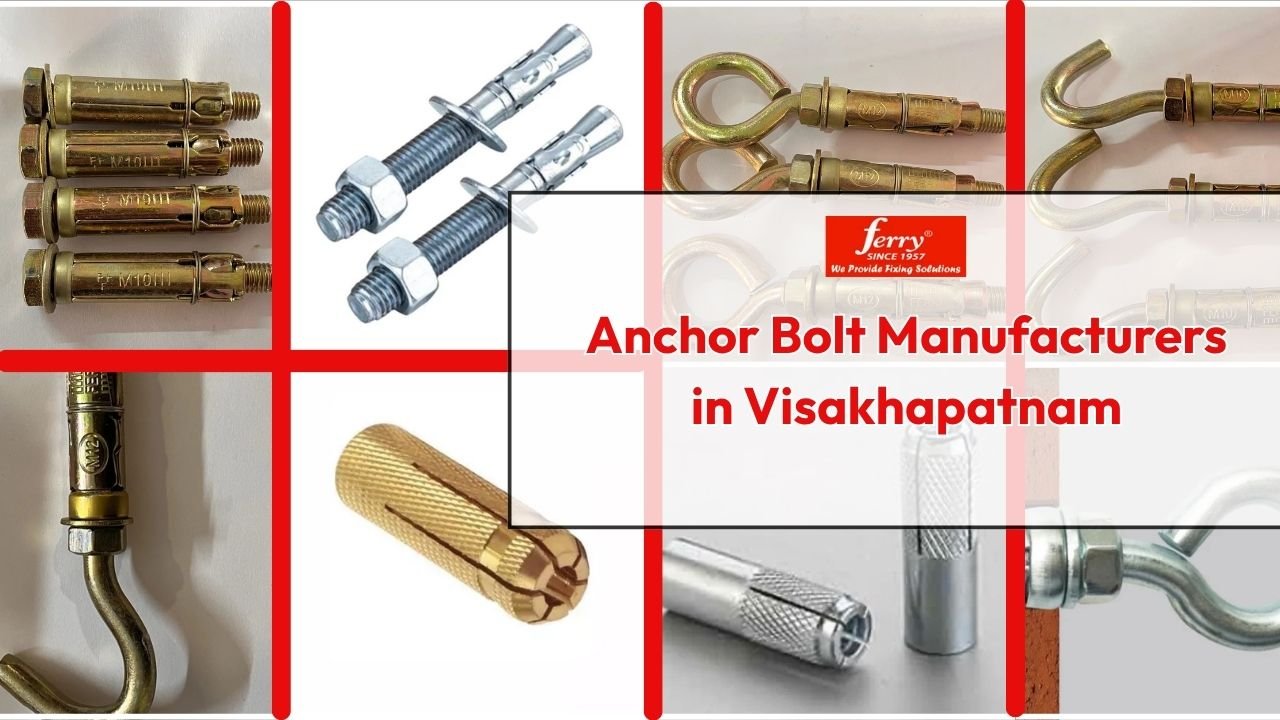
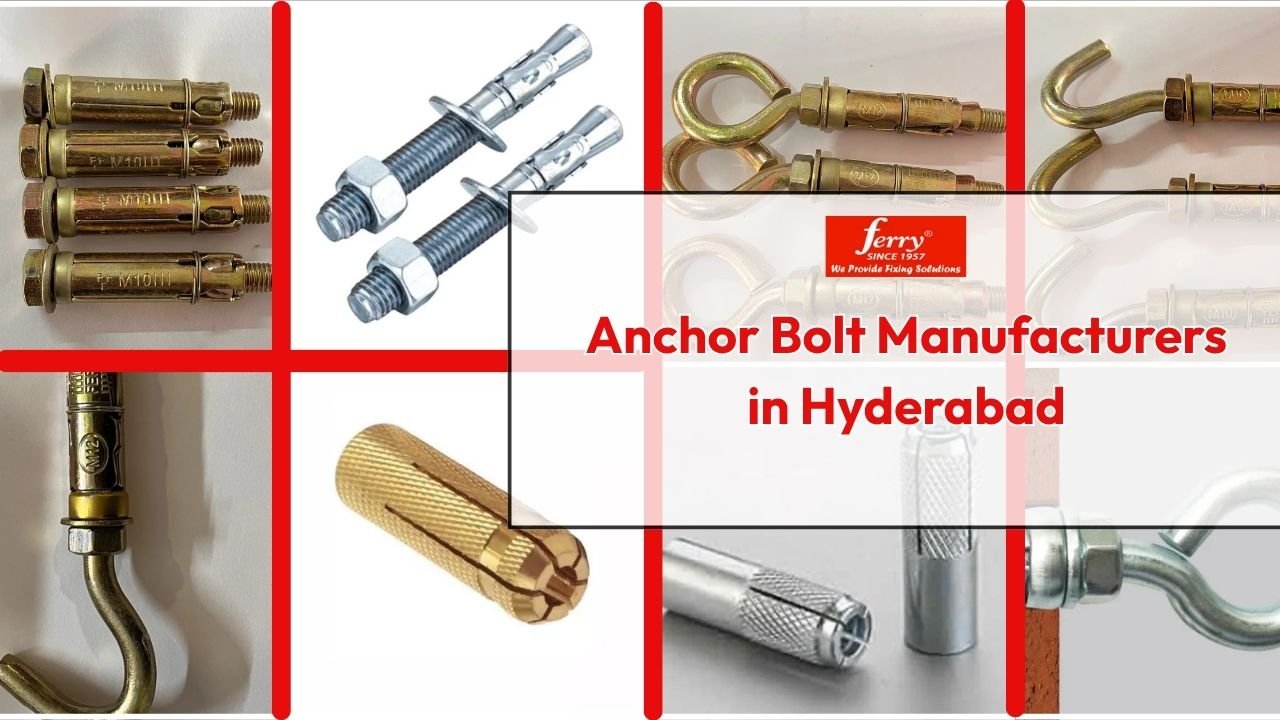
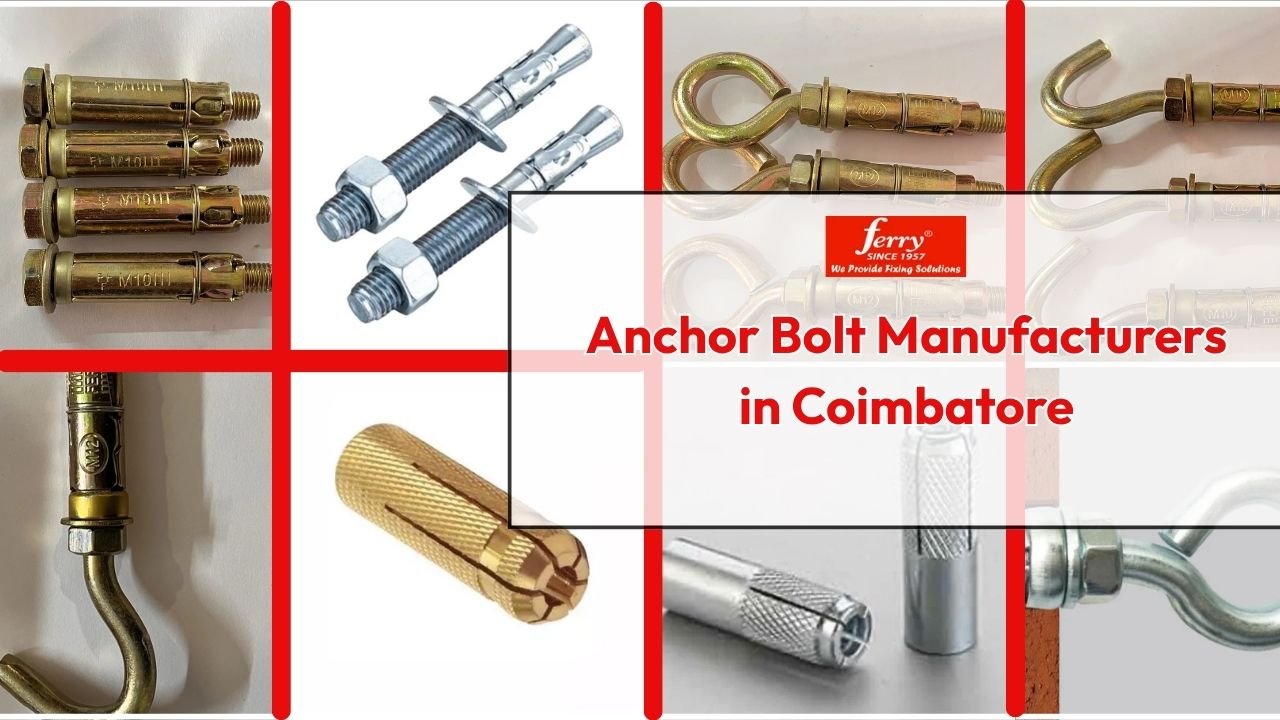
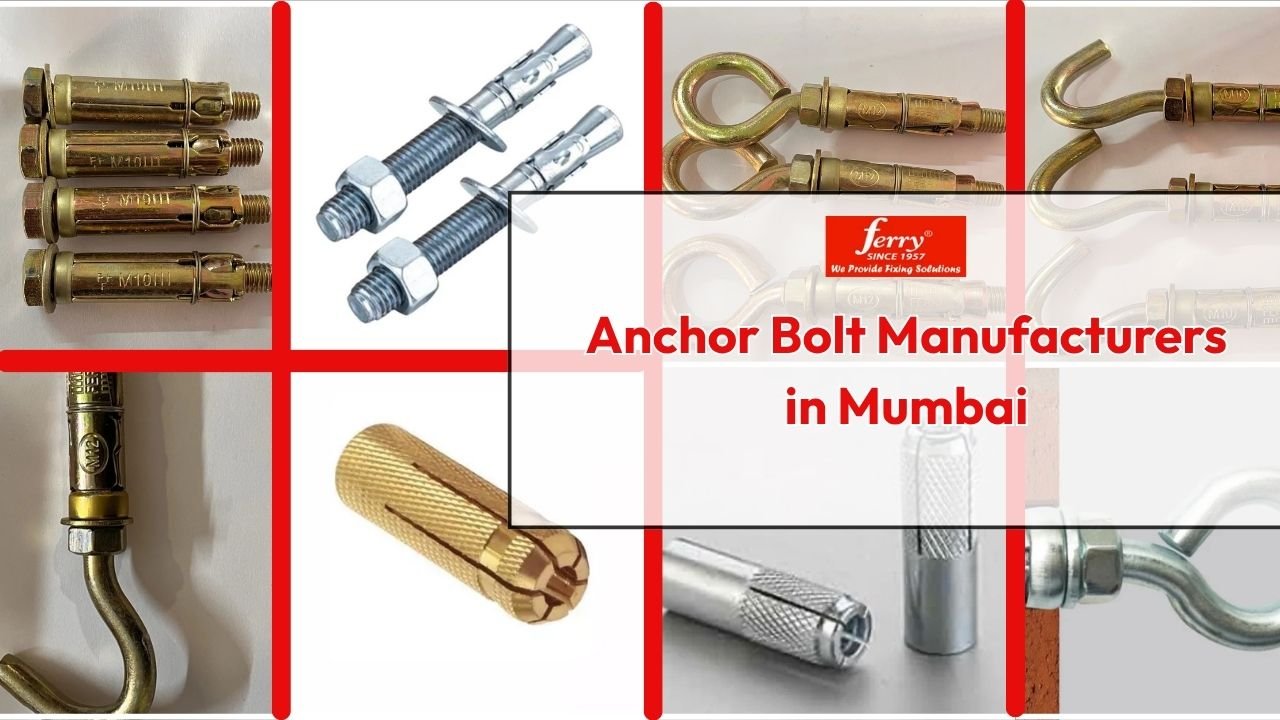
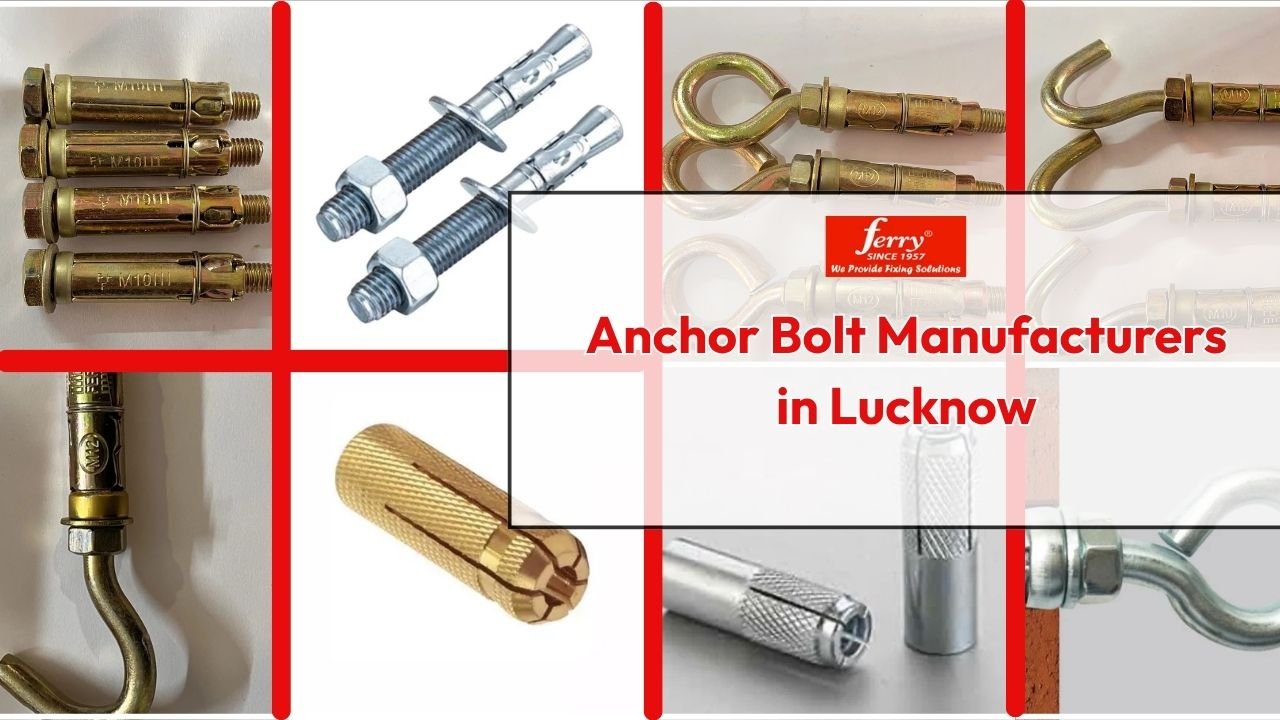
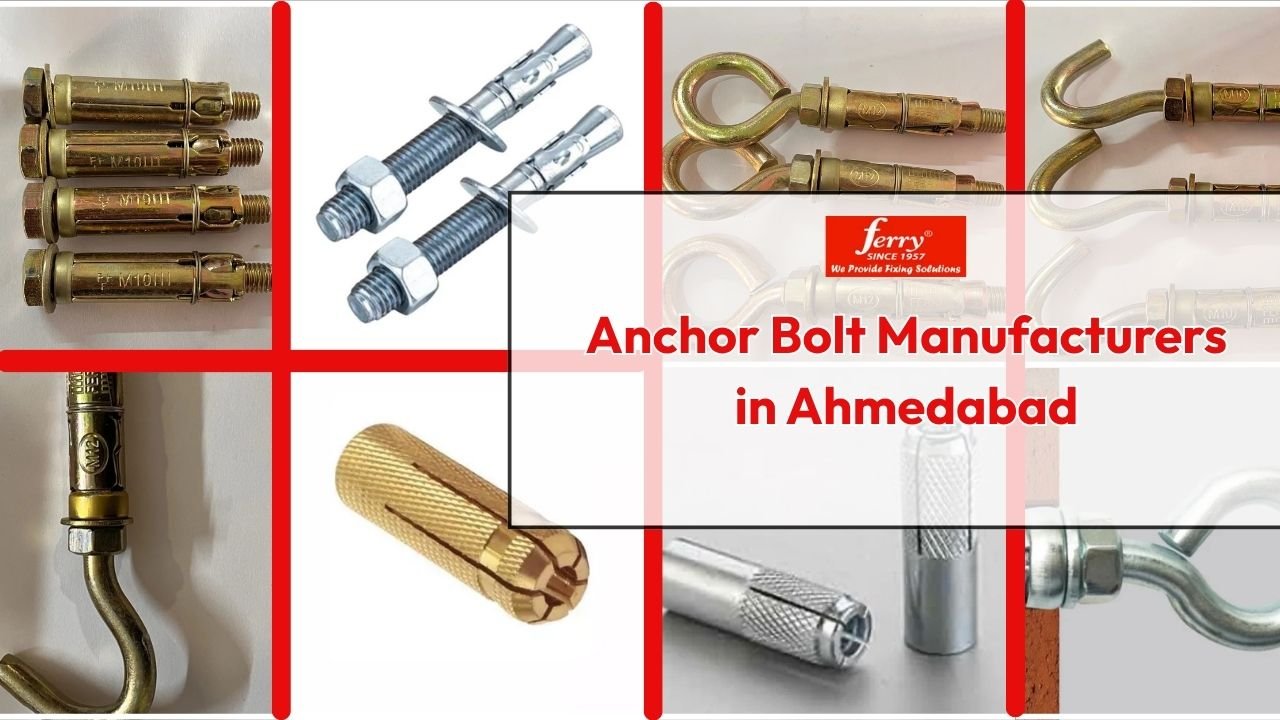
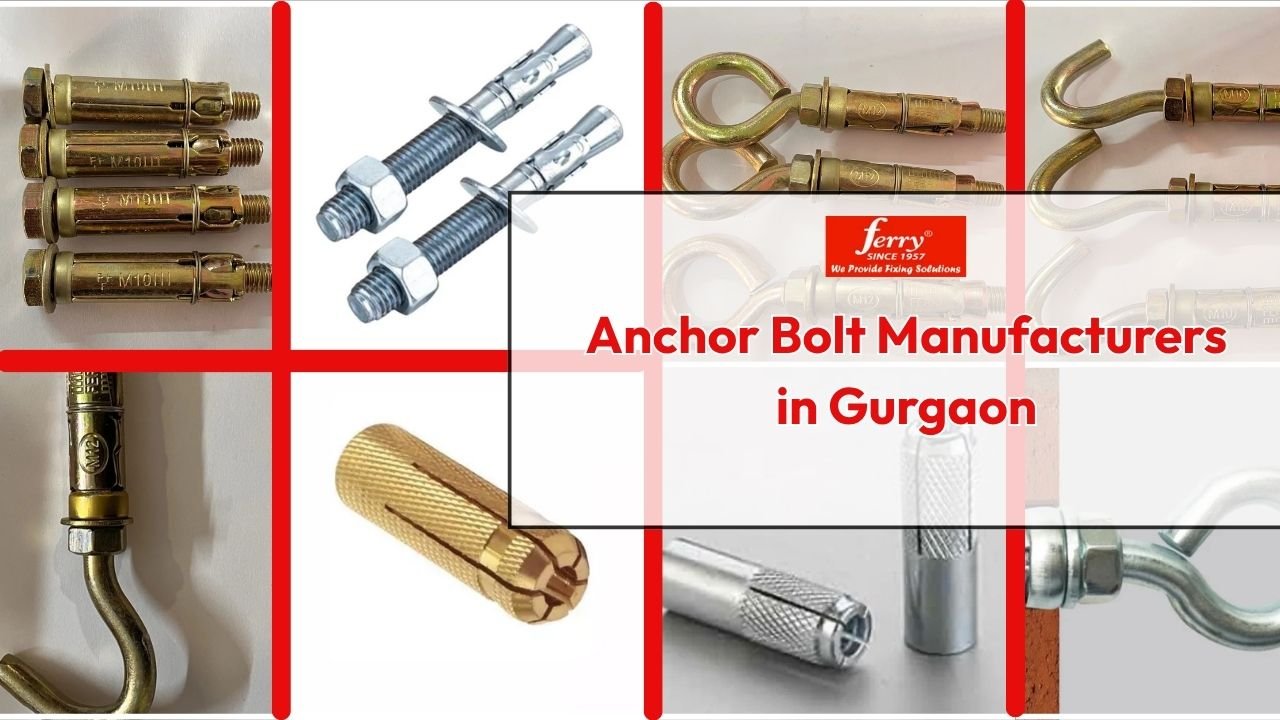
.jpg "Anchor Bolt Manufacturers in Haridwar")
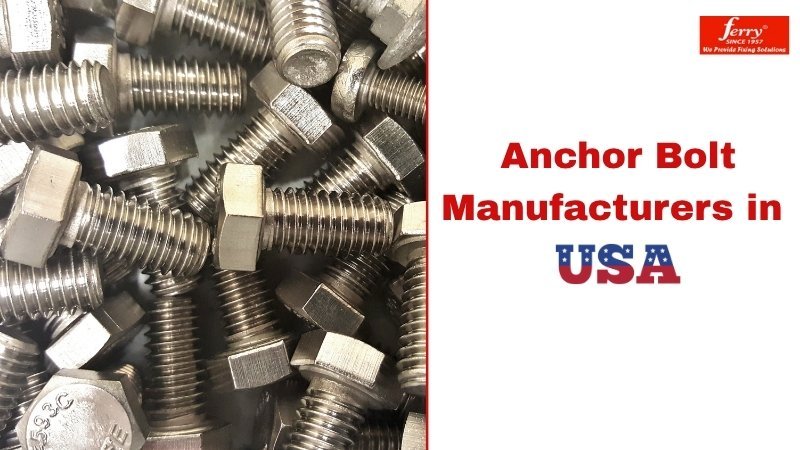
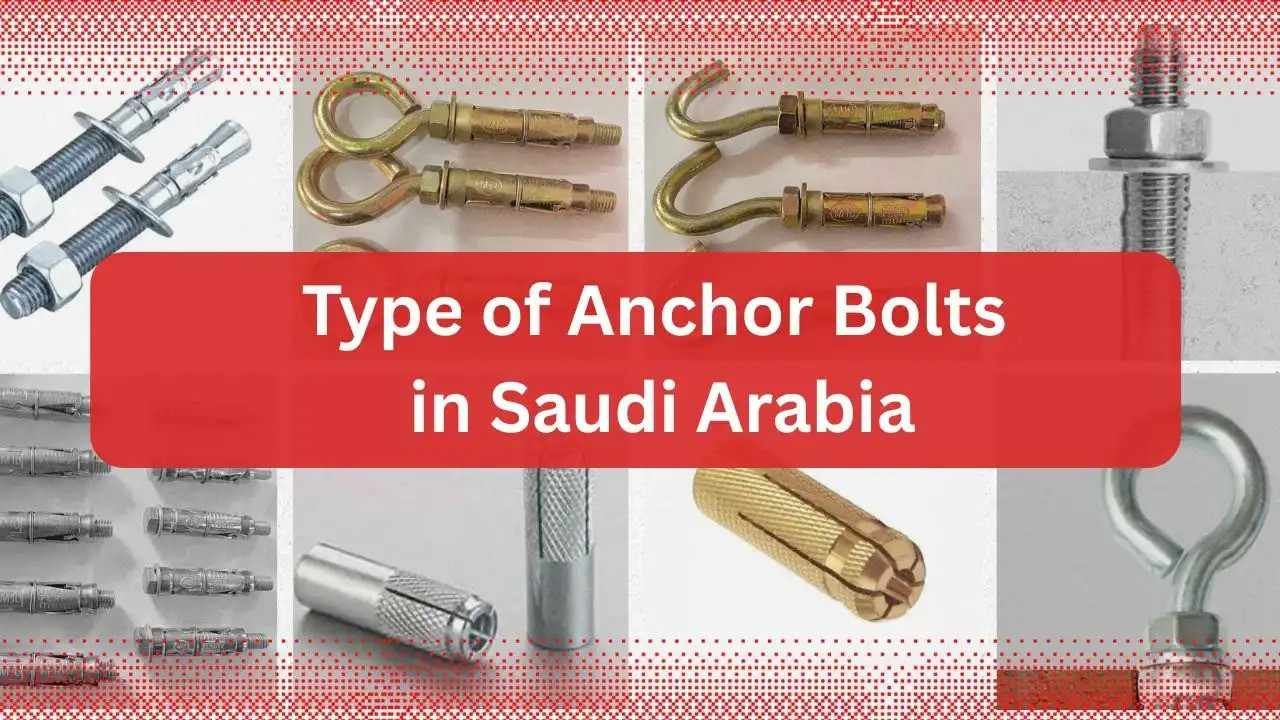


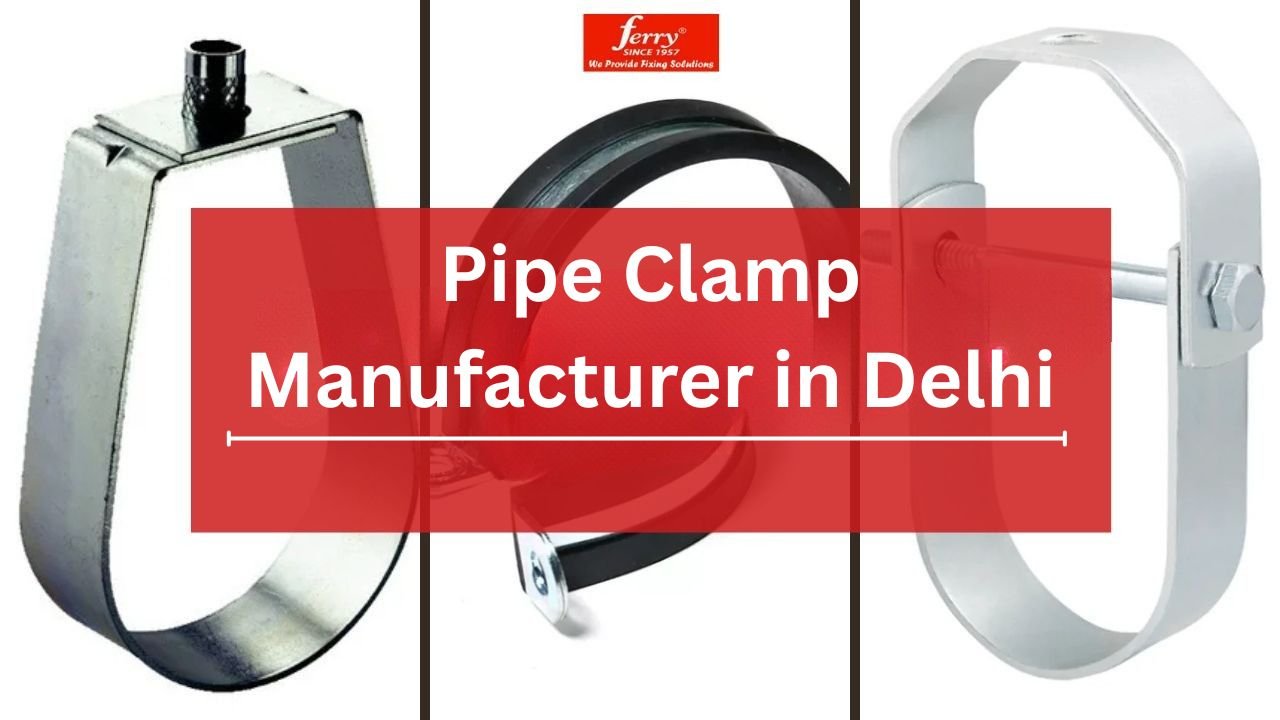
.jpg "Brass Anchor Manufacturers Jamnagar Gujarat")

.jpg "Top Anchor Bolt Manufacturers in India (2026) | Ferry International")


.jpg "Drop-In Anchors for Concrete Fixing")
 Bulk Supplier.jpg "Rubber Lined Split Clamp (Cushioned Pipe Clamp) – Bulk Supply")
.jpg "Sprinkler Clamp Manufacturer in Telangana | Project Bulk Supply by Ferry International")
.jpg "Rubber Lined Pipe Clamp")
.jpg "How to Choose Fasteners for Industrial Projects")
.jpg "Bulk Anchor Bolt Supplier for New Berlin,")
.jpg "Anchor Bolts Supplier for Bulk Orders in South Africa")